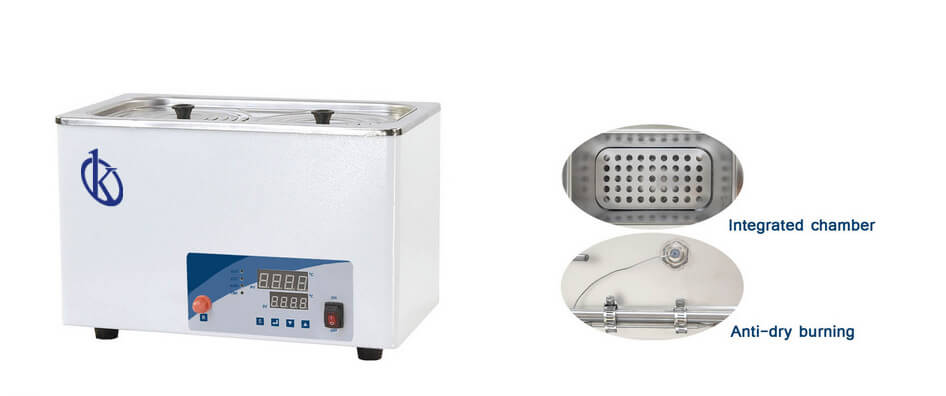
Energy Sustainability and Environmental Footprint Reduction in Water Baths
In modern laboratories, sustainability is an integral goal. Water baths, commonly used in various scientific applications, can significantly contribute to energy efficiency and reduction of environmental impact. Understanding their operational characteristics and selecting the appropriate model can enhance sustainability efforts while maintaining reliable laboratory outcomes.
Understanding Energy Sustainability in Laboratory Settings
Energy sustainability in laboratory environments focuses on reducing energy consumption while maintaining the necessary functionality and reliability of laboratory equipment. Water baths, essential for maintaining specific temperatures for experiments, can be optimized to reduce energy usage. Implementing energy-efficient models can directly support sustainability goals, helping laboratories not only comply with regulations but also contribute to broader environmental initiatives.
Key Features Affecting Environmental Footprint
When considering the environmental footprint of water baths, several key features must be evaluated:
- Energy Efficiency: Models with higher energy ratings consume less electricity.
- Material Composition: Stainless steel constructions are durable and recyclable.
- Temperature Control: Precise temperature controls reduce unnecessary energy expenditure.
- Maintenance and Lifespan: Longer-lasting devices reduce waste and resource consumption.
Comparison of Available Models
| Model | Energy Consumption (W) | Temperature Range (°C) | Best For | Price (USD) |
|---|---|---|---|---|
| YR05073 | 300 - 1200 | RT +5 to 100 | General laboratory use | 67.00 |
| YR05074 | 300 - 1200 | RT +5 to 100 | General laboratory use | 80.00 |
| YR030L | Up to 600 | RT to 100 | Research and biochemical applications | 602.00 |
| YR05001 | 1900 - 3300 | -35 to 200 | Chemical reactors | 1974.00 |
| YR05002 | 1900 - 3720 | -35 to 200 | Chemical reactors | 2646.00 |
| YR05003 | 1900 - 47400 | -35 to 200 | Chemical reactors | 2982.00 |
Common Mistakes and How to Avoid Them
Laboratories often overlook key factors in selecting water baths which can lead to inefficiencies. Here are common mistakes and tips to avoid them:
- Ignoring Energy Ratings: Always check the energy consumption specifications to choose an efficient model.
- Neglecting Temperature Control: Opt for models with precise PID control to prevent energy waste.
- Overlooking Maintenance Needs: Regularly maintain equipment to ensure longevity and performance.
- Choosing the Wrong Size: Select the appropriate model size for specific applications to avoid excess energy use.
Enhancing Sustainability with Water Baths
Water baths can enhance sustainability through various strategies:
- Utilizing Energy-Efficient Models: Select models like YR05073 and YR05074, known for their low energy consumption.
- Implementing Usage Protocols: Establish clear guidelines for usage to minimize unnecessary operation time.
- Regular Maintenance: Schedule regular maintenance checks to ensure optimal performance and energy efficiency.
- Educating Staff: Train laboratory personnel on best practices for energy conservation in laboratory settings.
Frequently Asked Questions
What energy-saving features should I look for in a water bath?
Look for water baths with PID temperature control and energy-efficient designs. Models like YR05073 and YR05074 are equipped with these features, ensuring lower energy consumption while maintaining precise temperature settings.
How can I reduce the operational costs of water baths in my lab?
To reduce operational costs, consider investing in energy-efficient models like YR05074, which have low power consumption. Additionally, implement best practices for usage and maintenance to further minimize costs.
What is the environmental impact of traditional water baths compared to modern models?
Traditional water baths often consume higher amounts of energy and resources. In contrast, modern models like YR030L are designed for efficiency, significantly reducing the environmental impact through optimized energy use and material durability.
Which water bath models are best for energy sustainability?
Models such as YR05073 and YR05074 are recognized for their energy-efficient designs and low operational costs, making them ideal choices for laboratories focused on sustainability.
How does the material composition of water baths affect sustainability?
Water baths made from materials like stainless steel are durable and recyclable, contributing positively to sustainability efforts. For instance, the YR05074 model features stainless steel, ensuring a longer lifespan.
What are the best practices for maintaining water baths to enhance performance?
Regularly clean and inspect water baths, ensure that seals and gaskets are intact, and perform routine calibrations. This will optimize performance and energy efficiency in models like YR030L and YR05073.
How do I choose the right water bath for my laboratory needs?
Assess your specific application requirements, including temperature range and capacity. Models such as YR05001 are suited for chemical reactions, while YR05073 is ideal for general laboratory tasks.
How does the initial investment in an energy-efficient water bath pay off over time?
Investing in energy-efficient models like YR05074 leads to lower energy bills and maintenance costs, creating a favorable return on investment over time through reduced operational expenses.
If you are looking for a fusion of innovation and quality, you have come to the right place. At Kalstein, we offer you the luxury of exploring our exclusive catalog of laboratory equipment. We manufacture every device to the highest standards of excellence. Our intuitive and seamless online purchasing channels are designed for your convenience, securing the most competitive prices. Hesitate no longer — we bring science to life, it is time to become part of our community.