How to Ensure Energy Sustainability and Reduce Environmental Footprint in Histopathology Accessories
The global shift towards sustainability is imperative, particularly in laboratory settings. Histopathology labs utilize various consumables and accessories that can significantly impact the environment. Implementing practices that focus on energy sustainability and reducing the environmental footprint is crucial for laboratories aiming to remain compliant and responsible.
Understanding the Vital Role of Histopathology Accessories
Histopathology accessories, including microtome blades, embedding cassettes, and paraffin products, are essential in tissue processing. Their quality affects the accuracy of histological examinations, which are critical for disease diagnosis. However, the production and disposal of these consumables contribute to waste and energy consumption. Thus, selecting environmentally-conscious products is a step toward enhancing sustainability in laboratory practices.
Assessing Energy Consumption of Histopathology Equipment
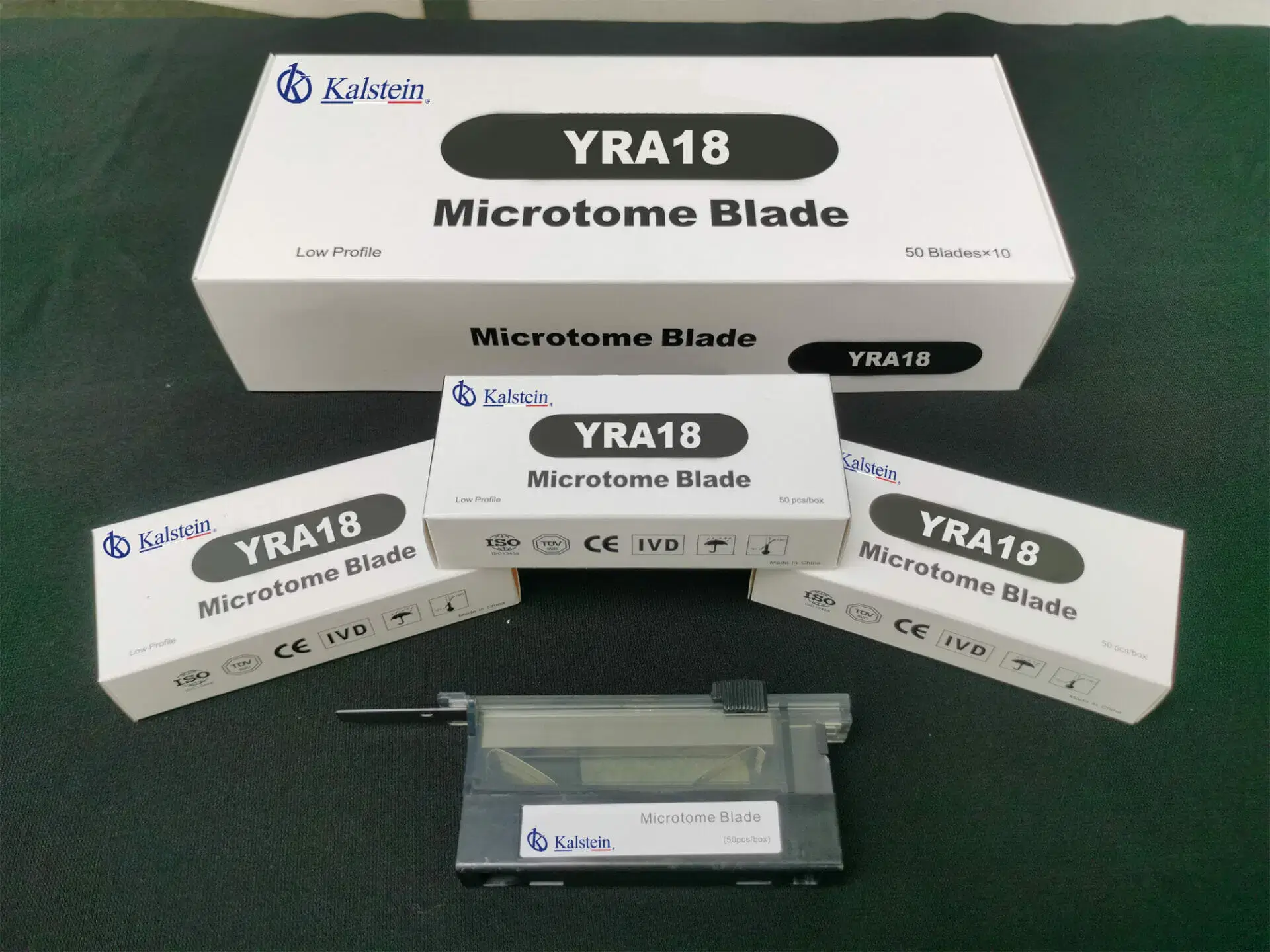
One of the primary ways to reduce a laboratory's environmental footprint is by assessing the energy consumption of histopathology equipment. For instance, the Disposable Microtome Blade (Low profile) YRA18-1, and the Disposable Microtome Blade (High profile) YRA19-1, while effective for cutting tissue, require efficient use to minimize energy consumption. Laboratories should analyze the kWh per operation for each piece of equipment and seek models that offer better energy performance.
Key Metrics for Energy Consumption
| Model | Energy Consumption (kWh/run) | Best for |
|---|---|---|
| YRA18-1 | 1.2 | Routine tissue processing |
| YRA19-1 | 1.5 | High precision cuts |
| YRA20-1 | 0.8 | Embedding processes |
Reducing Reagent Waste in Histopathology Labs
Reducing reagent waste is another critical aspect of enhancing sustainability. Laboratories often face challenges in managing excess materials, which can lead to increased disposal costs and environmental harm. Effective inventory management and purchasing strategies can help labs minimize overuse of embedding cassettes and paraffin products, such as the Tissue Embedding Cassette YRA20-1 and Granular Paraffin YRA33-3, ensuring that every material is utilized efficiently.
Strategies for Reducing Waste
- Implement effective inventory management systems to track usage.
- Purchase bulk quantities of consumables to reduce packaging waste.
- Educate laboratory staff on waste minimization practices.
Lifecycle Assessment of Histopathology Consumables
Conducting a lifecycle assessment (LCA) of histopathology consumables can reveal their environmental impacts from production to disposal. This process evaluates energy use, water consumption, and emissions associated with products like the Plastic Cassette with Plastic Cover YRA21-1 and the Paraffin Block YRA33-2. By understanding these metrics, laboratories can make informed decisions that align with sustainability goals.
Lifecycle Assessment Considerations
| Model | Production Impact (kg CO2e) | Disposal Method |
|---|---|---|
| YRA21-1 | 5.5 | Recyclable |
| YRA33-2 | 3.2 | Compostable |
Comparative Analysis of Energy-Efficient Models
When comparing histopathology consumables, it's essential to evaluate their energy efficiency and environmental impact. Below is a comparison of various models available in the market based on their sustainability metrics.
Comparison of Available Models
| Model | Energy Consumption (kWh/run) | Recyclability | Cost (USD) |
|---|---|---|---|
| YRA18-1 | 1.2 | Yes | 10,000.00 |
| YRA19-1 | 1.5 | No | 1,600.00 |
| YRA20-1 | 0.8 | No | 252.00 |
| YRA21-1 | 0.9 | Yes | 144.00 |
| YRA33-2 | 0.7 | Yes | 60.00 |
| YRA33-3 | 0.6 | No | 60.00 |
Common Mistakes and How to Avoid Them
Many laboratories overlook sustainability when selecting histopathology consumables. Common mistakes include failing to assess the environmental impact of products and neglecting to implement waste reduction strategies. To avoid these pitfalls, laboratory professionals should prioritize sustainability in their procurement processes. This includes selecting products that are recyclable or compostable and training staff on best practices.
Frequently Asked Questions
How much energy does a typical histopathology consumable use in a lab?
The energy consumption varies by product. For instance, the Disposable Microtome Blade (Low profile) YRA18-1 uses approximately 1.2 kWh per run, making it a relatively energy-efficient choice in histopathology accessories.
Which histopathology accessories are best for reducing environmental impact?
Accessories like the Plastic Cassette with Plastic Cover YRA21-1, which is recyclable, can significantly reduce environmental impact compared to non-recyclable alternatives.
What are the key sustainability metrics for histopathology consumables?
Key metrics include energy consumption per run, recyclability, and the carbon footprint associated with production. For example, the Paraffin Block YRA33-2 has a lower energy consumption of 0.7 kWh/run and is recyclable.
How can labs effectively manage waste from histopathology consumables?
Effective inventory management and staff training are crucial. Labs should implement systems to track usage and minimize excess, particularly with items like embedding cassettes and paraffin products such as the Tissue Embedding Cassette YRA20-1.
What is the lifecycle impact of commonly used histopathology products?
The lifecycle impact includes energy consumption, waste generation, and carbon emissions. For instance, the Granular Paraffin YRA33-3 has a lifecycle assessment that reveals it produces 3.2 kg CO2e during production.
How does choosing energy-efficient histopathology tools affect lab operations?
Choosing energy-efficient tools like the Disposable Microtome Blade (High profile) YRA19-1 can lead to reduced operational costs and a lower environmental footprint, benefiting overall lab sustainability.
What cost savings can labs expect from sustainable histopathology practices?
By implementing sustainable practices and opting for models like the Paraffin Block YRA33-2, labs can save on energy costs and reduce waste management expenses, leading to significant long-term savings.
How can laboratories improve their sustainability ratings in histopathology?
Improving sustainability ratings can be achieved by adopting eco-friendly practices such as recycling, reducing waste, and choosing products with lower energy consumption. For example, using the Disposable Microtome Blade (Low profile) YRA18-1 can help improve sustainability metrics.
If you are looking for a fusion of innovation and quality, you have come to the right place. At Kalstein, we offer you the luxury of exploring our exclusive catalog of laboratory equipment. We manufacture every device to the highest standards of excellence. Our intuitive and seamless online purchasing channels are designed for your convenience, securing the most competitive prices. Hesitate no longer — we bring science to life, it is time to become part of our community.