Energy Sustainability and Environmental Footprint Reduction in Horizontal Autoclaves 2026
As the landscape of laboratory practices evolves, energy sustainability and environmental footprint reduction have emerged as paramount considerations. For laboratories employing horizontal autoclaves, understanding how these devices contribute to greener practices is essential. In 2026, advancements in autoclave technology are set to reshape operational efficiency, resource management, and ecological responsibility. This article delves into various models of horizontal autoclaves while evaluating their impact on energy consumption and sustainability.
Horizontal Autoclaves: A Sustainable Choice for Laboratories
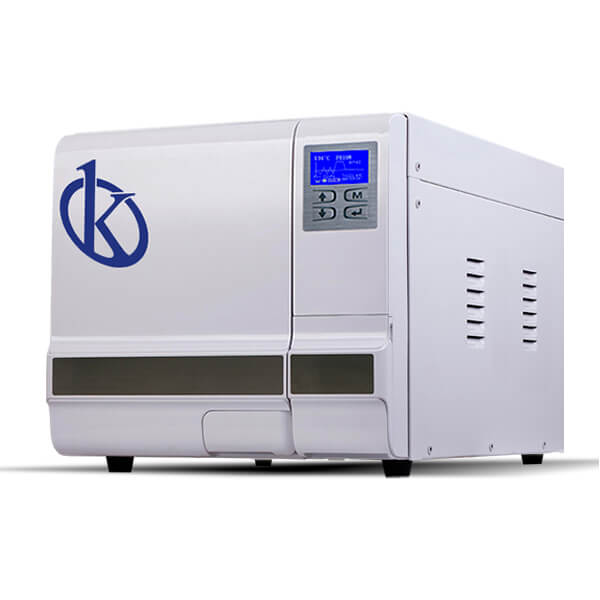
Horizontal autoclaves are increasingly recognized for their compact designs and efficiency in sterilization processes. Models such as the Class B Table Autoclave YR03387 and YR03388 are designed to optimize both space and energy usage. These units operate under a pre-vacuum class B standard, enhancing steam penetration while minimizing energy consumption. Moreover, their automatic cycles and precise control of pressure and temperature allow for effective sterilization without excessive energy expenditure.
Comparative Energy Consumption of Different Models
Understanding the energy consumption of various models is crucial for laboratories aiming to reduce their ecological footprint. The Class B Table Autoclave series, with models YR03387, YR03388, YR03389, and YR03390, demonstrate varying energy requirements due to differences in chamber volume and power ratings. For instance, the YR03390 model operates at 2,300 watts, while the YR03385C operates at 3,800 watts, showcasing the trade-off between capacity and energy efficiency. Here’s a detailed table comparing these aspects among the models:
| Model | Chamber Volume (liters) | Power Consumption (watts) | Energy Efficiency Rating |
|---|---|---|---|
| YR03387 | 8 | 1,750 | High |
| YR03388 | 12 | 1,750 | High |
| YR03389 | 18 | 1,750 | Medium |
| YR03390 | 23 | 2,300 | Medium |
| YR03385C | 29 | 2,300 | Medium |
| YR03385B | 45 | 3,800 | Low |
Lifecycle Assessment: Understanding the Environmental Impact
A thorough lifecycle assessment (LCA) provides insight into the environmental impact of horizontal autoclaves. This assessment includes the production, usage, and disposal phases of these devices. Models like the YR03385C and YR03385B, designed for higher capacities, generate more emissions during production but are efficient in operation, which may lead to lower overall emissions over time compared to smaller models. By analyzing factors such as the materials used, energy consumption, and waste generated, laboratories can make informed decisions regarding which autoclave model aligns with their sustainability goals.
Water and Reagent Usage: Sustainable Practices
In addition to energy consumption, water and reagent usage in sterilization processes significantly impact sustainability. Horizontal autoclaves often require minimal water for effective sterilization cycles. The YR03387, for instance, has been noted for its low water consumption while achieving excellent sterilization results. This characteristic is particularly advantageous for laboratories focused on minimizing their overall environmental impact. Investing in models that optimize water usage can contribute to significant savings and sustainability improvements.
Comparison of Available Models
| Model | Chamber Volume (liters) | Power Consumption (watts) | Price (USD) | Best for |
|---|---|---|---|---|
| YR03387 | 8 | 1,750 | 750.00 | Small Clinics |
| YR03388 | 12 | 1,750 | 835.00 | Beauty Salons |
| YR03389 | 18 | 1,750 | 900.00 | Veterinary Clinics |
| YR03390 | 23 | 2,300 | 1000.00 | Laboratories |
| YR03385C | 29 | 2,300 | 2350.00 | Research Facilities |
| YR03385B | 45 | 3,800 | 2800.00 | Large Institutions |
Common Mistakes and How to Avoid Them
When selecting a horizontal autoclave, it is crucial to avoid common pitfalls that may hinder energy efficiency and sustainability. One frequent error is underestimating the importance of chamber size relative to operational needs. Smaller models like the YR03387 may suffice for small clinics, while larger facilities may require the YR03385B for effective sterilization. Additionally, neglecting to consider energy consumption can lead to higher operational costs over time. Conducting thorough research and aligning equipment choices with laboratory needs will enhance both efficiency and sustainability.
Frequently Asked Questions
What is the energy consumption of the Class B Table Autoclave YR03387 in 2026?
The Class B Table Autoclave YR03387 operates at 1,750 watts, making it a highly energy-efficient choice for small laboratories aiming to minimize their environmental impact in 2026.
How does the capacity of horizontal autoclaves affect energy efficiency?
Generally, larger models like the YR03385B consume more energy but may achieve better efficiency per cycle when processing larger volumes, thus balancing demands for energy and operational capacity.
Which horizontal autoclave model offers the best balance between cost and sustainability?
The YR03388 model, priced at $835, provides an excellent compromise between affordability and low energy consumption, making it an ideal choice for beauty salons and small clinics focused on sustainability.
What factors should I consider when choosing a horizontal autoclave for my laboratory?
Consider factors such as chamber size, energy consumption, and the specific sterilization needs of your laboratory. The YR03390 is suited for larger laboratories needing efficient operation with a capacity of 23 liters.
How can laboratories reduce their water usage during sterilization?
Choosing models like the YR03387, which are designed for low water consumption, can significantly reduce water usage while ensuring effective sterilization processes in your laboratory.
Is the YR03385C a good choice for high-volume sterilization needs?
Yes, the YR03385C is an excellent option for research facilities requiring high-volume sterilization, with a chamber volume of 29 liters and advanced energy efficiency features.
What environmental benefits can be achieved with the Class B Table Autoclaves?
Models like the YR03389 have been designed to optimize energy and water usage, contributing to lower operational costs and a reduced environmental footprint for laboratories focused on sustainability.
How does the design of horizontal autoclaves influence their efficiency?
The design of horizontal autoclaves, like those in the Class B series, allows for better steam penetration and quicker cycles, which not only enhances efficiency but also reduces energy usage during operation.
If you are looking for a fusion of innovation and quality, you have come to the right place. At Kalstein, we offer you the luxury of exploring our exclusive catalog of laboratory equipment. We manufacture every device to the highest standards of excellence. Our intuitive and seamless online purchasing channels are designed for your convenience, securing the most competitive prices. Hesitate no longer — we bring science to life, it is time to become part of our community.