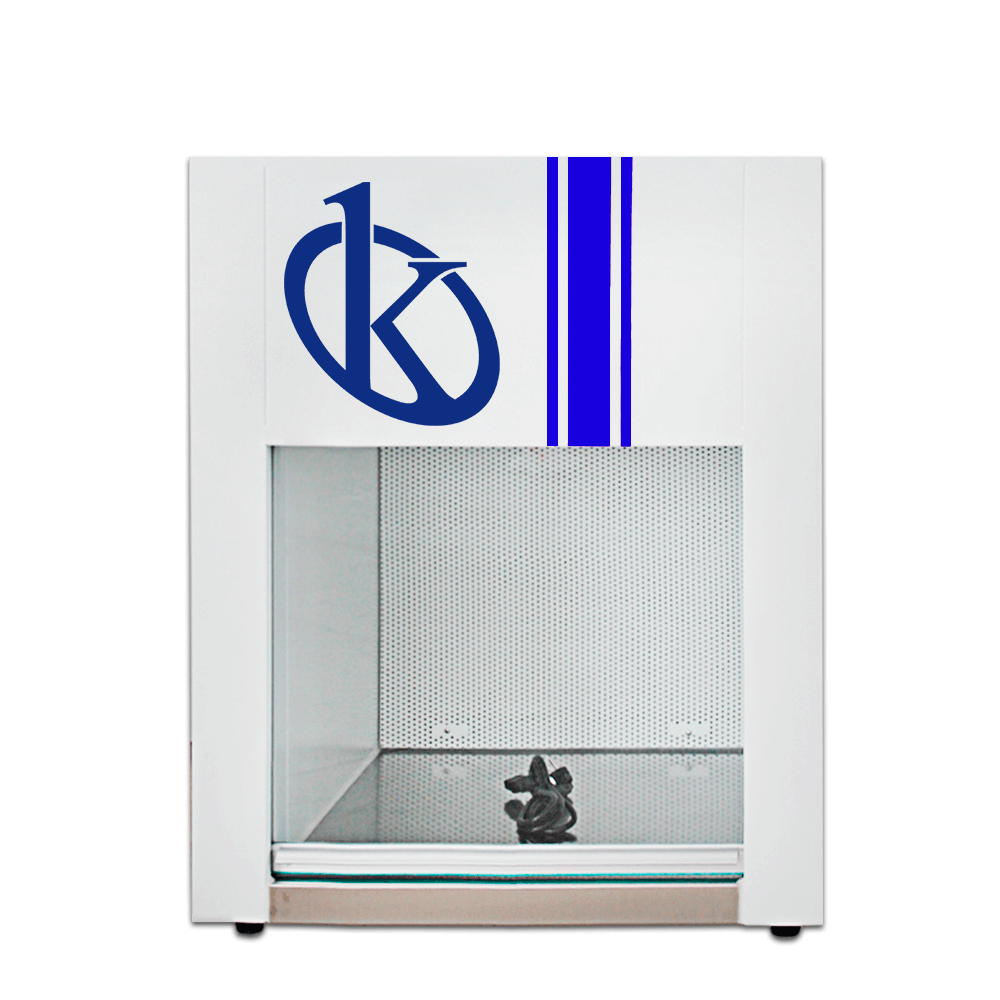
Enhancing Energy Sustainability and Reducing Environmental Footprint with Horizontal Laminar Flow Clean Benches
As laboratory professionals increasingly focus on sustainability, energy-efficient equipment has become a priority. Horizontal laminar flow clean benches are pivotal in this shift, providing controlled environments essential for various applications while minimizing their environmental impact. This article explores the energy sustainability aspects and measures to reduce the environmental footprint associated with these crucial laboratory tools.
Understanding Horizontal Laminar Flow Clean Benches in the Context of Sustainability
Horizontal laminar flow clean benches are designed to provide a sterile workspace that protects samples from contamination. By facilitating clean air through high-efficiency particulate air (HEPA) filters, these benches ensure a safe working environment in fields such as biomedical research, pharmaceuticals, and other sensitive laboratory applications. However, their operation can impact energy consumption and environmental sustainability.
In recent years, manufacturers have focused on improving the energy efficiency of these units by optimizing airflow systems and utilizing advanced materials. This focus not only reduces energy consumption but also contributes to a lower environmental footprint, aligning with global sustainability goals.
Comparison of Available Models
| Model Code | Cleaning Level | Noise Level (dB) | Power Consumption (W) | Price (USD) |
|---|---|---|---|---|
| YR05723 | Class 100 | ≤62 | 240 | 240.00 |
| YR05724 | Class 100 | ≤62 | 300 | 300.00 |
| YR05726 | Class 100 | ≤62 | 500 | 420.00 |
| YR05727 | Class 100 | ≤62 | 500 | 650.00 |
| YR05728 | Class 100 | ≤62 | 490 | 660.00 |
| YR05729 | Class 100 | ≤62 | 640 | 1020.00 |
Energy Consumption in Horizontal Laminar Flow Clean Benches
Energy consumption is a critical factor for laboratories aiming to enhance their sustainability. The operational efficiency of horizontal laminar flow clean benches plays a significant role in overall energy use. For instance, the model YR05723 operates at a power consumption of only 240W, making it an energy-efficient choice for laboratories looking to minimize their operational costs while ensuring cleanliness.
Moreover, comparing the energy consumption of various models helps laboratories identify which units offer the best trade-offs between performance and sustainability. A thorough analysis of their specifications against energy use is essential for achieving sustainability goals.
Reducing Environmental Footprint Through Design Improvements
The design of horizontal laminar flow clean benches has evolved to further reduce their environmental impact. Most modern models, such as the YR05726 and YR05729, feature enhanced materials that are not only durable but also recyclable. This minimizes waste and promotes sustainability throughout the product lifecycle.
Additionally, integrated energy-efficient components, such as LED lighting and advanced motor technologies, decrease overall power consumption and increase operational lifespan, contributing further to environmental sustainability.
Implementing Best Practices for Energy Sustainability
To maximize energy sustainability, laboratories can adopt several best practices when using horizontal laminar flow clean benches. This includes regularly maintaining equipment to ensure it operates at peak efficiency, optimizing airflow settings, and utilizing energy-saving modes where available.
Furthermore, proper training for laboratory personnel on the efficient use of these units can significantly reduce energy waste, thereby supporting broader sustainability initiatives.
Common Mistakes and How to Avoid Them
Laboratories often encounter pitfalls that undermine their sustainability efforts, such as neglecting routine maintenance of clean benches. Regular checks ensure that filters are clean and airflow is optimal, which boosts energy efficiency.
Another common mistake is overusing clean benches when less stringent environments would suffice. Understanding the specific requirements of each task can help conserve energy and extend the lifespan of the equipment.
Frequently Asked Questions
How can I ensure energy efficiency when using horizontal laminar flow clean benches?
To maintain energy efficiency with horizontal laminar flow clean benches, regularly check filters and airflow settings. For instance, the YR05724 operates efficiently at 300W, making it a cost-effective choice when properly maintained.
What are the environmental benefits of using the YR05727 clean bench?
The YR05727 model is designed with recyclable materials and energy-efficient components, reducing the environmental footprint significantly compared to older models. This makes it ideal for eco-conscious laboratories.
Which horizontal laminar flow clean bench offers the best energy savings?
Among the models, the YR05723 offers a low power consumption of 240W, making it one of the most energy-efficient options for laboratories focusing on sustainability.
How often should I replace the filters in my clean bench to maintain performance?
It's recommended to replace filters in horizontal laminar flow clean benches like the YR05726 every six months or sooner if airflow is compromised to ensure optimal performance and energy efficiency.
What is the average lifespan of a horizontal laminar flow clean bench?
Typically, horizontal laminar flow clean benches can last 10 years or more with proper maintenance. The YR05728, for example, is designed for durability, ensuring long-term use in laboratories.
What standards should my clean bench meet for environmental compliance?
Horizontal laminar flow clean benches should comply with standards such as ISO 14644 for cleanroom environments. Models like YR05729 are designed to meet or exceed these standards for energy sustainability.
How does regular maintenance affect the energy consumption of my clean bench?
Regular maintenance, such as cleaning filters and checking airflow, can significantly lower energy consumption. This is evident with models like YR05724, which can operate more efficiently with proper upkeep.
Are there any cost benefits to using energy-efficient clean benches?
Yes, energy-efficient models like the YR05723 reduce operational costs through lower energy bills and decreased environmental impact, making them a smart investment for forward-thinking laboratories.
If you are looking for a fusion of innovation and quality, you have come to the right place. At Kalstein, we offer you the luxury of exploring our exclusive catalog of laboratory equipment. We manufacture every device to the highest standards of excellence. Our intuitive and seamless online purchasing channels are designed for your convenience, securing the most competitive prices. Hesitate no longer — we bring science to life, it is time to become part of our community.