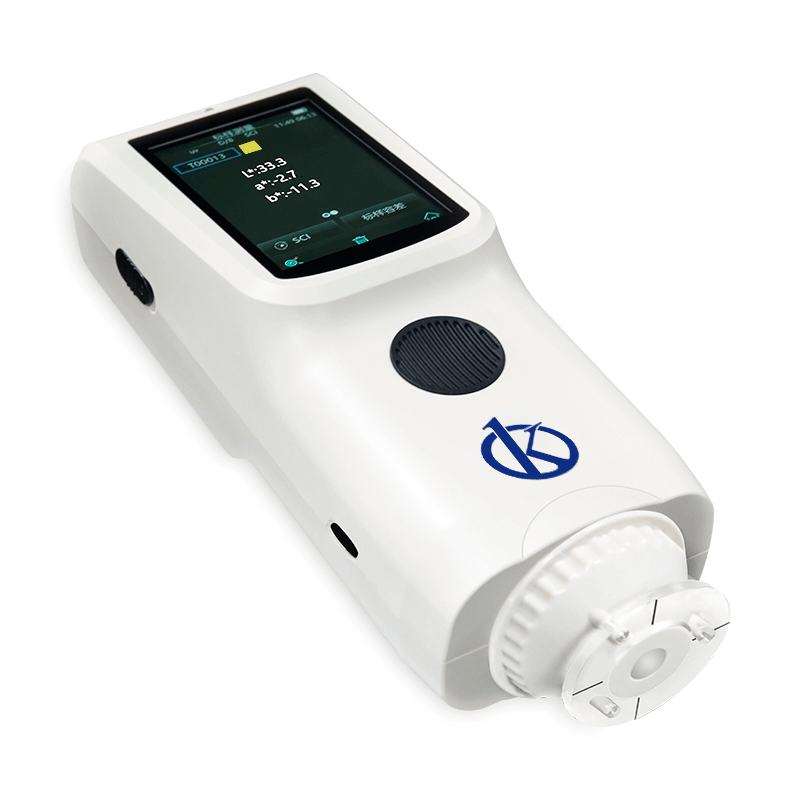
Energy Sustainability and Environmental Footprint Reduction in Spectrocolorimeters
Spectrocolorimeters are essential tools in various laboratory applications, particularly where accurate color measurements are critical. As laboratories worldwide seek to enhance their energy sustainability and lessen environmental impacts, understanding how these devices contribute to these objectives is vital. This article explores the role of spectrocolorimeters in achieving energy efficiency and reducing carbon footprints while comparing various models in this subcategory.
Understanding Energy Sustainability in Laboratory Settings
Energy sustainability refers to practices that ensure energy needs are met without compromising future generations' ability to meet their needs. In laboratory environments, energy use can significantly impact operational costs and environmental results. Tools that minimize energy consumption and improve efficiency are crucial in laboratories aiming for sustainability.
Spectrocolorimeters, such as the YR05516 and YR05518 models, offer advanced technology that enables energy-efficient operations. These devices ensure precise measurements with minimal energy expenditure, contributing to the laboratory's overall sustainability goals.
Reducing the Environmental Footprint of Spectrocolorimeters
The environmental footprint of laboratory equipment includes its energy consumption, waste production, and material usage. Spectrocolorimeters like the YR05519 can significantly reduce environmental impacts through their innovative design and efficient operation. By utilizing photodiode sensors and high-precision optical geometries, these devices operate with reduced power consumption while maintaining accuracy.
Moreover, by choosing models that comply with international standards such as ISO 7724-1, laboratories can ensure that their operations align with global sustainability practices, further enhancing their environmental accountability.
Comparison of Available Models
| Model | Price (USD) | Best for | Energy Efficiency Features |
|---|---|---|---|
| YR05516 | 2570.00 | High precision color measurement in plastics | Dual-row photodiode sensors for lower power usage |
| YR05517 | 1838.00 | Color measurement in electronic quality control | Utilizes high-performance photodiode technology |
| YR05518 | 935.00 | Textile and paint color quality control | Optimized for energy use with minimal waste |
| YR05519 | 623.00 | Broad applications across industries | Compact design with energy-efficient operation |
Key Specifications and Their Impact on Energy Usage
Each spectrocolorimeter model exhibits unique specifications that contribute to energy efficiency. The YR05518, for example, is designed with an optical geometry of D/8 with diffuse illumination, allowing it to achieve high accuracy with minimal energy use. Additionally, compliance with international standards ensures that the devices operate within the best practices for sustainability.
Common Mistakes and How to Avoid Them
One common mistake laboratories make is underestimating the importance of selecting energy-efficient models. Opting for cheaper models can lead to higher long-term costs due to excessive energy consumption. It is crucial to analyze the specifications of devices like the YR05517 and YR05519, which are designed with energy-saving features, ensuring a better return on investment and alignment with sustainability goals.
Another mistake is neglecting to evaluate the long-term environmental impacts of reagent use. Laboratories should focus on models that minimize reagent waste and promote sustainable practices, such as those provided by Kalstein.
How Spectrocolorimeters Optimize Resource Usage
Optimizing resource usage is key to sustainability in labs. Models like the YR05516 employ advanced sensor technology that allows for efficient data gathering with lower energy costs. This optimization translates to less reagent waste and decreased operational costs, making a significant impact on the laboratory's overall energy sustainability efforts.
Environmental Compliance and Standards
Compliance with relevant environmental standards is essential for laboratories aiming for sustainability. Spectrocolorimeters that adhere to ISO standards ensure that operations are both effective and environmentally responsible. By using devices like the YR05519, which meets several international measurement standards, labs can confidently demonstrate their commitment to sustainability while achieving precise colorimetric results.
Frequently Asked Questions
How can a spectrocolorimeter reduce energy consumption in laboratory settings?
A spectrocolorimeter, such as the YR05518, is designed to operate efficiently, utilizing advanced photodiode technology that minimizes power usage while providing accurate readings. This reduces overall energy consumption in laboratory settings.
What are the energy efficiency features of the YR05516 spectrocolorimeter?
The YR05516 model includes dual-row photodiode sensors, which ensure lower energy usage during measurements. This feature makes it suitable for laboratories focused on sustainability and reducing their environmental footprint.
Which spectrocolorimeter model is best for minimizing reagent waste?
The YR05519 spectrocolorimeter is optimized for performance, allowing laboratories to conduct precise measurements with minimal reagent waste, thereby supporting energy sustainability goals.
How do spectrocolorimeters contribute to compliance with ISO standards?
Models like the YR05517 comply with multiple ISO standards, ensuring that labs meet regulatory requirements while promoting sustainable practices in their operations.
What is the role of optical geometry in energy consumption for spectrocolorimeters?
The optical geometry, such as the D/8 configuration used in the YR05518, plays a crucial role in achieving accurate measurements with lower energy consumption, contributing to the overall energy efficiency of laboratory operations.
How does using energy-efficient spectrocolorimeters impact operational costs?
By employing energy-efficient models like the YR05517, laboratories can lower their operational costs significantly due to reduced energy consumption, leading to better financial and environmental outcomes.
What steps can laboratories take to enhance energy sustainability with spectrocolorimeters?
Laboratories should invest in modern spectrocolorimeters, such as the YR05516, that emphasize energy efficiency, compliance with international standards, and reduced reagent waste to enhance their overall sustainability practices.
Why is it important to consider the environmental footprint of laboratory equipment?
Considering the environmental footprint helps laboratories minimize their impact on the planet, ensuring sustainable practices. Using efficient spectrocolorimeters contributes to reduced energy usage and compliance with environmental standards.
If you are looking for a fusion of innovation and quality, you have come to the right place. At Kalstein, we offer you the luxury of exploring our exclusive catalog of laboratory equipment. We manufacture every device to the highest standards of excellence. Our intuitive and seamless online purchasing channels are designed for your convenience, securing the most competitive prices. Hesitate no longer — we bring science to life, it is time to become part of our community.