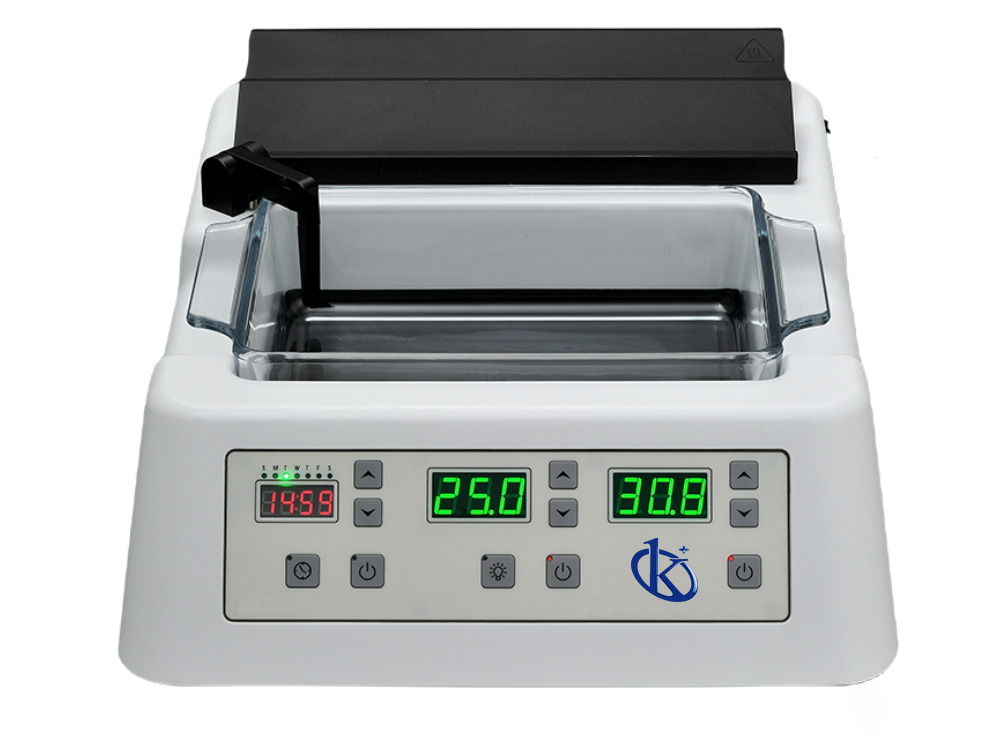
How Energy Sustainability Affects Tissue Flotation Techniques
In modern laboratory settings, energy sustainability is becoming increasingly important as laboratories work to reduce their environmental footprint. The techniques used in tissue flotation, a critical process in pathological anatomy, are no exception. This article delves into the intersection of energy sustainability and tissue flotation methods, analyzing how laboratory professionals can make informed decisions when selecting equipment that aligns with sustainability goals.
Understanding Tissue Flotation in the Context of Energy Sustainability
Tissue flotation is a fundamental technique in histology, allowing for the preparation of tissue specimens for microscopic examination. Traditional methods often consume considerable amounts of energy and resources, which can contribute to a laboratory's overall environmental impact. By integrating energy-efficient practices and selecting appropriate equipment, laboratories can not only enhance their workflow but also support global sustainability efforts.
With advances in technology, newer models of flotation workstations are designed to minimize energy consumption while maintaining high performance and reliability. This comparison will focus on several models, evaluating their energy efficiency, operational capabilities, and suitability for various laboratory settings.
Comparison of Available Models
| Model Code | Temperature Control Range | Power Consumption | Price (USD) | Best For |
|---|---|---|---|---|
| YR457-1 | RT - 70℃ (Water Bath), RT - 100℃ (Slide Dryer) | 400W | 1200.00 | High-throughput labs needing precise temperature control |
| YR456 | RT - 70℃ (Left Bath), RT - 70℃ (Right Bath) | Unknown | 800.00 | Small labs with moderate workload |
| YR457 | RT - 70℃ (Water Bath), RT - 100℃ (Slide Dryer) | Unknown | 900.00 | Versatile applications in various lab environments |
Analyzing Energy Consumption of Tissue Flotation Equipment
Tissue flotation devices operate under specific temperature conditions to ensure optimal results. The energy consumed by these devices can be significant. For instance, the YR457-1 model operates at 400 watts, which can accumulate a considerable cost over time. Understanding how energy consumption translates into operational costs is vital for laboratory managers aiming to implement sustainable practices.
Moreover, energy-efficient models not only reduce costs but also contribute to a decrease in carbon footprint, aligning laboratory operations with broader environmental goals. Labs should assess the total energy usage over a month or year, comparing it against the performance and throughput of the instruments.
Implementing Energy-Efficient Practices in Tissue Flotation
Beyond selecting energy-efficient equipment, laboratories can adopt practices that enhance sustainability. For example, scheduling the use of flotation workstations during off-peak energy hours can lower energy costs. Additionally, conducting regular maintenance ensures that devices operate at optimum efficiency, minimizing unnecessary power usage.
Training staff on energy awareness and encouraging the use of equipment in a sustainable manner can further contribute to a lab's overall energy conservation strategy.
Lifecycle Assessment of Tissue Flotation Equipment
When evaluating tissue flotation models like the YR457 and YR456, conducting a lifecycle assessment (LCA) is crucial. An LCA examines the environmental impact of a product throughout its entire lifecycle, from material extraction to disposal. Choosing equipment that is designed with sustainability in mind can significantly affect a laboratory's environmental footprint.
For instance, materials that are recyclable or have lower energy consumption during manufacturing can provide long-term benefits to both the lab and the environment. Understanding these factors can aid in making informed decisions when purchasing new equipment.
Common Mistakes and How to Avoid Them
Laboratories often overlook the long-term costs associated with energy consumption when selecting tissue flotation equipment. A common mistake is choosing models based solely on initial purchase price without considering operational efficiency and sustainability. Additionally, failing to integrate energy-saving practices into daily operations can lead to excessive energy use and inflated costs.
To avoid these pitfalls, labs should conduct thorough assessments of equipment options, considering both upfront costs and long-term energy usage. Incorporating energy-efficient practices into lab protocols is essential in reducing overall environmental impact.
Frequently Asked Questions
How do energy-efficient tissue flotation workstations impact operational costs?
Energy-efficient tissue flotation workstations, such as the YR457-1, help reduce operational costs by minimizing energy consumption. With a power rating of 400 watts, laboratories can expect lower electricity bills, contributing to long-term savings while maintaining high-quality results in tissue preparation.
Which features should I look for in a sustainable tissue flotation model?
When seeking a sustainable tissue flotation model, consider features like low energy consumption, precise temperature control, and recyclable materials. Models like YR457 provide robust temperature management while focusing on operational efficiency, making them ideal for environmentally conscious laboratories.
How can I assess the environmental impact of my flotation equipment?
To assess the environmental impact of your flotation equipment, conduct a lifecycle assessment (LCA) that evaluates energy consumption, material sourcing, and end-of-life disposal. This approach will identify areas for improvement, helping to align with sustainability goals while using models like YR456.
What are the best practices for minimizing energy use in tissue flotation?
Best practices include scheduling equipment usage during off-peak energy hours, regular maintenance for optimal performance, and training staff on energy-saving practices. Utilizing models such as YR457-1 ensures that the laboratory operates within energy-efficient standards.
How does temperature control influence energy efficiency in tissue flotation?
Temperature control is critical in tissue flotation as it directly affects both energy efficiency and sample integrity. Models like YR457 maintain specific temperature ranges autonomously, ensuring minimal energy waste and consistent results for laboratory professionals.
What financial benefits can be gained from using energy-efficient flotation models?
Financial benefits include reduced energy bills and lower operational costs, leading to quicker return on investment (ROI). By choosing models such as YR456, laboratories can achieve substantial savings while enhancing their sustainability practices.
How can tissue flotation equipment be integrated into a broader sustainability strategy?
Tissue flotation equipment can be integrated into sustainability strategies by selecting energy-efficient models, implementing energy-saving practices, and regularly evaluating environmental impact. The YR457 model, for instance, supports these goals through efficient design and operation.
Conclusion
In conclusion, energy sustainability is a key consideration in the selection and operation of tissue flotation equipment. By choosing energy-efficient models, implementing best practices, and conducting lifecycle assessments, laboratory professionals can significantly reduce their environmental impact. In the field of pathological anatomy, aligning laboratory operations with sustainability goals is not only beneficial for the environment but also for the operational efficiency and cost-effectiveness of the lab.
If you are looking for a fusion of innovation and quality, you have come to the right place. At Kalstein, we offer you the luxury of exploring our exclusive catalog of laboratory equipment. We manufacture every device to the highest standards of excellence. Our intuitive and seamless online purchasing channels are designed for your convenience, securing the most competitive prices. Hesitate no longer — we bring science to life, it is time to become part of our community.