How to Enhance Energy Sustainability in Veterinary Laparoscopy Systems
In today's veterinary practices, ensuring energy sustainability while minimizing environmental footprints has become paramount. Veterinary laparoscopy systems play a crucial role in modern surgical procedures, but their energy consumption and overall impact on the environment require careful consideration. This article dives deep into the various models within the Veterinary Laparoscopy System category, focusing on their energy efficiency, design features promoting sustainability, and comparative analysis to guide veterinary professionals in making informed choices.
Understanding Energy Sustainability in Veterinary Laparoscopy
Energy sustainability refers to practices that reduce the consumption of energy and promote the efficient use of resources in order to minimize environmental impact. In veterinary medicine, the choice of surgical equipment can significantly affect both operational costs and ecological footprints. Key factors include energy consumption per procedure, the efficiency of components, and the overall lifecycle assessment of the devices.
Specifications of Leading Models in Energy Sustainability
In the realm of veterinary laparoscopy systems, several models stand out for their energy-efficient features:
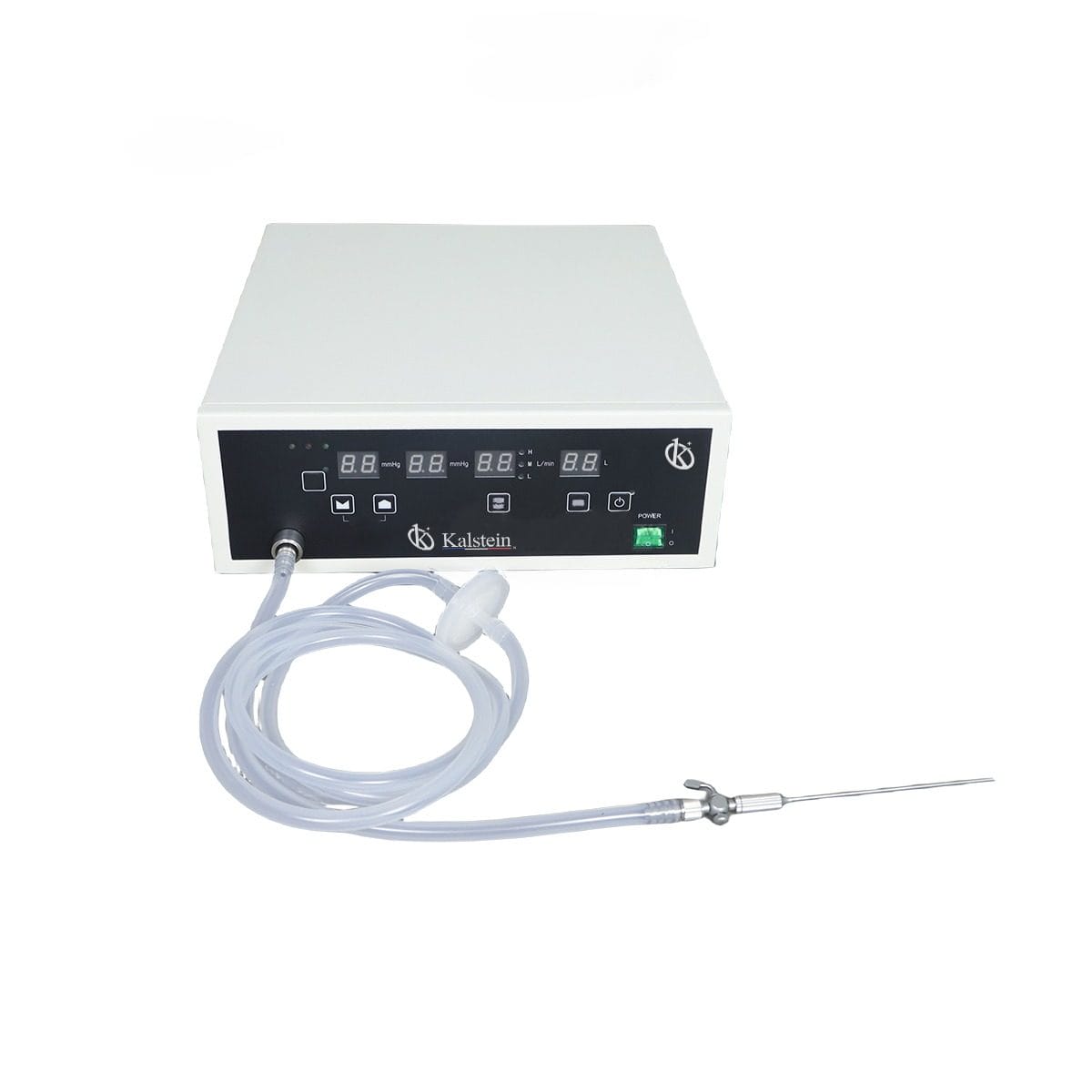
- Veterinary CO2 Insufflator YR06157: Known for its silent operation, this model is fully automatic with adjustable flow rates of 4L/min, 6L/min, and 10L/min. It is designed specifically for small animals, providing ample visibility and surgical space while maintaining energy efficiency.
- Mobile High-Definition Endoscopic Imaging System YR06156: This lightweight system allows for portability and flexibility with its integrated light source, camera, and recording capabilities, optimizing energy use without sacrificing performance.
- Veterinary CO2 Insufflator YR06158: Featuring a wide flow range from 2L/min to 40L/min, this model ensures a consistent supply of CO2 while incorporating features like a touch screen and alarms to enhance safety and reduce energy wastage.
Comparison of Available Models
| Model | Flow Rate | Power Consumption (W) | Best For |
|---|---|---|---|
| YR06157 | 4L/min, 6L/min, 10L/min | 40 | Small Animals |
| YR06156 | Integrated | ≥30 | Portable Imaging |
| YR06158 | 2L/min - 40L/min | 40VA | General Laparoscopy |
Best Practices for Improving Energy Efficiency
Optimizing energy efficiency in veterinary laparoscopy systems involves several best practices:
- Regular Maintenance: Ensuring that equipment is maintained and calibrated properly can prevent energy wastage and improve performance.
- Opt for Energy-Efficient Models: Selecting models with lower power consumption, such as the YR06157, can significantly reduce energy costs.
- Training Staff: Educating veterinary staff on best practices for energy use during procedures can lead to substantial savings.
- Utilizing Energy Management Systems: Implementing systems that monitor and manage energy consumption can help identify areas for improvement.
Common Mistakes and How to Avoid Them
When striving for energy sustainability, veterinary professionals often fall into these common pitfalls:
- Neglecting Equipment Lifecycles: Failing to consider the entire life cycle of a device can lead to unexpected environmental impacts. Evaluate models like YR06156 for their long-term sustainability.
- Overlooking Compatibility: Choosing equipment that does not integrate well with existing systems can waste energy and resources.
- Ignoring Energy Metrics: Not tracking energy consumption metrics can prevent identifying inefficiencies. Utilize features from the YR06158 that aid in monitoring.
Frequently Asked Questions
How does the energy consumption of veterinary laparoscopy systems affect overall costs?
The energy consumption of veterinary laparoscopy systems directly impacts operational costs. For instance, the YR06158 offers a flow rate of 2L/min to 40L/min while maintaining a power consumption of 40VA, making it a cost-effective option for clinics aiming to reduce expenses.
Which veterinary laparoscopy system is most energy-efficient for small animal procedures?
The Veterinary CO2 Insufflator YR06157 is specifically designed for small animals and features adjustable flow rates of 4L/min, 6L/min, and 10L/min, making it an efficient choice for energy-conscious veterinary practices.
What lifecycle assessment factors should be considered for veterinary laparoscopic equipment?
When evaluating laparoscopic equipment like the Mobile High-Definition Endoscopic Imaging System YR06156, consider factors such as energy efficiency, durability, and disposal options to ensure minimal environmental impact across its lifecycle.
How can I measure the energy efficiency of my veterinary surgical equipment?
Energy efficiency can be measured by evaluating power consumption and operational efficiency. Systems like the YR06158 provide features that help track usage patterns and optimize energy consumption effectively.
What role does equipment maintenance play in energy sustainability?
Regular maintenance of veterinary laparoscopic devices, such as the YR06157, ensures optimal performance and energy efficiency. Poorly maintained equipment can lead to increased energy consumption and operational costs.
How do energy-efficient systems impact animal welfare during surgery?
Energy-efficient systems, like the YR06156, often operate with less noise and better temperature control, which can enhance animal welfare by reducing stress during surgical procedures.
Which features should I look for in energy-efficient laparoscopic systems?
When seeking energy-efficient laparoscopic systems, prioritize features like adjustable flow rates, low power consumption, and integrated monitoring systems, as seen in models like the YR06158 and YR06157.
What are the potential environmental benefits of switching to energy-efficient veterinary equipment?
Switching to energy-efficient veterinary equipment, such as those in the laparoscopic category, can significantly lower energy consumption, reduce greenhouse gas emissions, and contribute to a more sustainable practice overall.
If you are looking for a fusion of innovation and quality, you have come to the right place. At Kalstein, we offer you the luxury of exploring our exclusive catalog of laboratory equipment. We manufacture every device to the highest standards of excellence. Our intuitive and seamless online purchasing channels are designed for your convenience, securing the most competitive prices. Hesitate no longer — we bring science to life, it is time to become part of our community.