Ensuring Compliance with ISO/IEC Norms in Histopathology Laboratories
Compliance with ISO/IEC norms is crucial for histopathology laboratories, especially as they navigate the complexities of regulatory standards. The successful implementation of these norms ensures high-quality results and patient safety. This article will delve into how various histopathology accessories and consumables assist laboratories in adhering to these standards while enhancing their operational efficiency.
Understanding ISO/IEC Compliance in Histopathology
ISO/IEC standards, particularly ISO 17025 and ISO 15189, outline the requirements for laboratory competence and quality. For histopathology laboratories, these standards ensure that the procedures and consumables used meet stringent quality assurance protocols. Compliance helps in maintaining traceability of results, reducing risks of errors, and ensuring that laboratories produce reliable and reproducible results.
Key ISO/IEC Standards Relevant to Histopathology
Histopathology laboratories must consider several key ISO/IEC standards which guide their operations. ISO 17025 focuses on testing and calibration laboratories, ensuring they can produce precise and accurate test results. ISO 15189 specifically addresses medical laboratories, detailing quality and competence requirements. Understanding these standards is essential for laboratories to structure their workflows and select suitable consumables.
How Histopathology Accessories Support Compliance
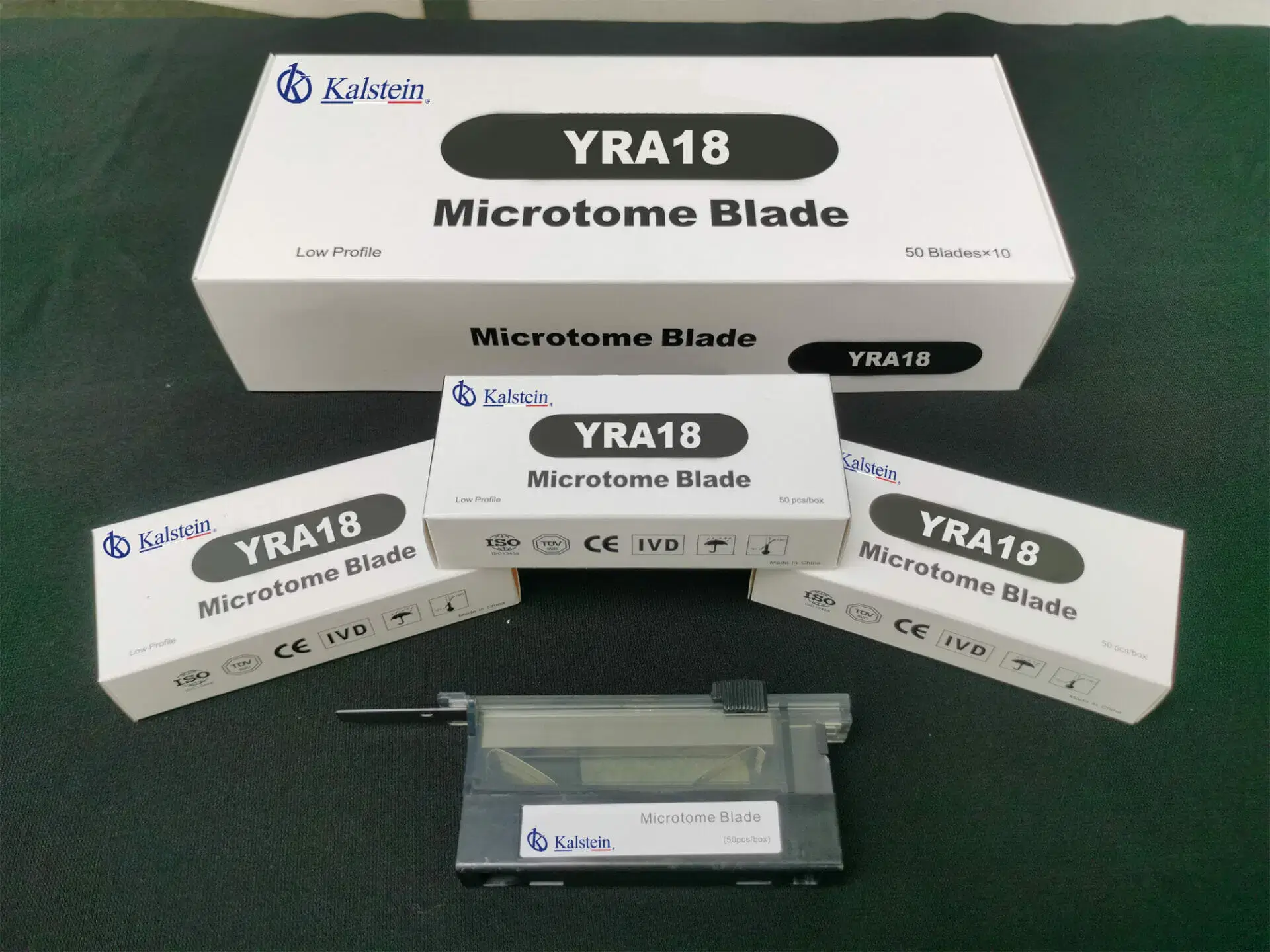
Histopathology accessories and consumables play a pivotal role in meeting ISO/IEC requirements. For example, using high-quality disposable microtome blades, like the YRA18-1 and YRA19-1, ensures consistent sectioning of tissue samples, reducing variability and enhancing the accuracy of results. Moreover, embedding cassettes such as YRA20-1 facilitate proper specimen handling, which is crucial for compliance with procedural standards.
Comparison of Available Models
| Model | ISO/IEC Clauses Covered | Traceability Features | Best For |
|---|---|---|---|
| YRA18-1 | ISO 17025 | Batch tracking | Routine tissue sectioning |
| YRA19-1 | ISO 15189 | Traceable production | High precision sectioning |
| YRA20-1 | ISO 17025 | Labeling for sample identification | Embedding samples |
| YRA21-1 | ISO 15189 | Material certification | Specimen storage |
| YRA33-2 | ISO 17025 | Production documentation | Embedding and sectioning |
| YRA33-3 | ISO 15189 | Quality certificates | Embedding processes |
Common Mistakes and How to Avoid Them
Histopathology laboratories can encounter several pitfalls in compliance with ISO/IEC norms. One common mistake is the use of substandard consumables, which can lead to inaccuracies in test results. It's essential to select high-quality products, such as the YRA19-1 disposable microtome blade, known for its precision. Another mistake is inadequate documentation of processes, which can jeopardize traceability. Implementing a robust documentation system can significantly mitigate this risk.
Importance of Documentation in Compliance
Documentation is a fundamental aspect of compliance with ISO/IEC norms. Laboratories should maintain meticulous records of all procedures, calibrations, and quality checks. This not only aids in compliance but also enhances operational transparency. Utilizing products like the YRA21-1 plastic cassettes can facilitate proper labeling and documentation, ensuring traceability of specimens throughout the testing process.
Addressing Traceability in Laboratory Practices
Traceability is crucial in maintaining the integrity of laboratory results. Each step, from sample collection to final reporting, should be clearly documented to ensure that results can be traced back to their origin. Implementing products like the YRA20-1 tissue embedding cassette can help maintain an organized system for tracking samples, which supports compliance with ISO/IEC standards.
Frequently Asked Questions
How do histopathology accessories ensure compliance with ISO 17025 standards?
Histopathology accessories like the YRA18-1 disposable microtome blade ensure compliance with ISO 17025 by providing high-quality materials that facilitate accurate and consistent testing. This reduces errors in results, which is a critical requirement for maintaining laboratory accreditation.
Which disposable microtome blades are best for meeting regulatory compliance?
The YRA19-1 disposable microtome blade is particularly effective for meeting regulatory compliance, as it offers high precision in sectioning that aligns with ISO 15189 requirements, ensuring quality and reliability in histopathology results.
What are the key features of the YRA20-1 tissue embedding cassette in supporting ISO compliance?
The YRA20-1 tissue embedding cassette supports ISO compliance by providing a reliable framework for specimen handling, ensuring that samples are embedded correctly, which is critical for accurate results in histopathology processes.
How can laboratories maintain traceability with histopathology consumables?
Laboratories can maintain traceability using consumables like the YRA21-1 plastic cassette, which includes labeling features that document each sample's history from collection to analysis, thus fulfilling ISO/IEC requirements for traceability.
What documentation practices are essential for ISO compliance in histopathology?
Essential documentation practices include logging each step of the laboratory processes and maintaining records of all consumable usage, such as the YRA33-2 paraffin block, to ensure compliance with ISO 17025 and ISO 15189 standards.
Why is proper labeling critical for compliance in histopathology laboratories?
Proper labeling is crucial for compliance as it ensures that every sample is traceable and identifiable throughout the testing process. Using products like the YRA20-1 cassette can enhance the accuracy of labels, thus supporting ISO/IEC compliance.
What role does quality assurance play in ISO 15189 compliance?
Quality assurance plays a vital role in ISO 15189 compliance by ensuring that laboratory processes are consistently monitored and evaluated. High-quality consumables, like the YRA19-1 microtome blade, help maintain high standards in histopathology testing, fulfilling the requirements of this norm.
Conclusion
Compliance with ISO/IEC standards is essential for histopathology laboratories to ensure accurate and reliable results. By selecting appropriate accessories and consumables, such as those discussed, laboratories can meet the necessary regulatory requirements while improving their operational efficiency. Proper documentation, traceability, and quality assurance are the cornerstones of a compliant laboratory environment.
If you are looking for a fusion of innovation and quality, you have come to the right place. At Kalstein, we offer you the luxury of exploring our exclusive catalog of laboratory equipment. We manufacture every device to the highest standards of excellence. Our intuitive and seamless online purchasing channels are designed for your convenience, securing the most competitive prices. Hesitate no longer — we bring science to life, it is time to become part of our community.