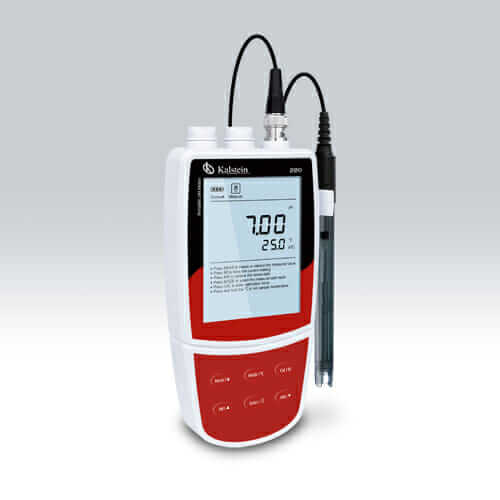
Ensuring Compliance with ISO/IEC Standards Using Table pH Meters
In the realm of laboratory operations, regulatory compliance is paramount. The ISO/IEC standards play a crucial role in ensuring that laboratory equipment, such as table pH meters, meets stringent quality and performance criteria. This article provides a comprehensive look at how table pH meters can assist laboratories in adhering to these standards, focusing on key models and their specifications.
Understanding ISO/IEC Standards Relevant to Table pH Meters
ISO/IEC standards, specifically ISO 17025 and ISO 15189, dictate the requirements for laboratory competence and quality management. These standards emphasize the importance of accuracy, reliability, and traceability in test results. Table pH meters must be capable of fulfilling these criteria through precise calibration processes, ease of use, and reliable performance.
Key ISO/IEC Standards for Compliance
ISO 17025 outlines the general requirements for the competence of testing and calibration laboratories. It includes guidelines on management requirements and technical requirements, necessitating rigorous testing protocols, proper equipment calibration, and maintenance to ensure high-quality results. ISO 15189 further enhances healthcare quality through specific requirements for medical laboratories, focusing on the competence and quality of laboratory results.
How Table pH Meters Meet ISO/IEC Compliance
Table pH meters, such as the YR0220A and YR01822, are designed to meet the requirements of these ISO/IEC standards. The YR0220A features automatic 1 to 5 point calibration with recognition for various buffer standards, ensuring accurate readings, while the YR01822 offers sophisticated data storage and wireless printing capabilities, supporting compliance with documentation requirements.
Calibration and Temperature Compensation in pH Measurement
Calibration is crucial for maintaining compliance with ISO 17025, and table pH meters facilitate this through automated calibration processes. These meters, like the YR01825, provide automatic temperature compensation (ATC), thus ensuring that measurements remain accurate across varying temperatures. This feature is essential as temperature fluctuations can significantly affect pH readings, leading to non-compliance with regulatory standards.
Documentation and Traceability Requirements
ISO 17025 and ISO 15189 mandate that laboratories must maintain comprehensive documentation of calibration and testing processes. Table pH meters such as the YR01826 are equipped with data storage capabilities, allowing for the documentation of test results and calibration records. This traceability is vital for audits and compliance verification.
Comparison of Available Models
| Model | ISO/IEC Clauses Covered | Traceability Features | Best For |
|---|---|---|---|
| YR0220A | ISO 17025, ISO 15189 | Automatic calibration recognition | General laboratory use |
| YR01822 | ISO 17025 | Data storage with wireless printing | Medical laboratories |
| YR01825 | ISO 17025 | Automatic temperature compensation | Research facilities |
| YR01823 | ISO 17025, ISO 15189 | Calibration check alerts | Academic settings |
| YR01826 | ISO 17025 | Document storage | Quality control labs |
Common Mistakes and How to Avoid Them
In laboratories, maintaining compliance with ISO/IEC standards can be challenging. A common mistake is neglecting regular calibration of table pH meters. Failing to calibrate can lead to inaccurate results, which jeopardizes compliance. To avoid this, implement a routine calibration schedule using models like the YR0220A, which supports up to 5-point calibration for enhanced accuracy.
Practical Steps for Ensuring Compliance with Table pH Meters
To ensure compliance, follow these practical steps:
- Conduct regular calibration according to ISO guidelines.
- Document all calibration and testing processes meticulously.
- Use models with built-in data storage and automatic diagnostics.
- Train personnel on proper operation and maintenance of the equipment.
Frequently Asked Questions
How can table pH meters help meet ISO 17025 requirements?
Table pH meters like the YR0220A provide automatic calibration and diagnostic features that align with ISO 17025 requirements. This ensures that the meter delivers accurate and reliable readings essential for laboratory compliance.
What are the calibration requirements for ISO 15189 compliance in pH measurement?
ISO 15189 requires calibration of testing equipment, including table pH meters, to ensure accurate results. Models such as the YR01822 are designed to facilitate multiple point calibration, critical for meeting these compliance standards.
Which features of table pH meters support regulatory compliance?
Features such as automatic temperature compensation, data storage, and calibration alerts in models like the YR01825 help laboratories maintain compliance with ISO/IEC standards by ensuring precise and traceable pH measurements.
What documentation is needed for compliance with ISO standards in laboratory pH testing?
Laboratories must document calibration and testing results. Table pH meters like the YR01826 offer data storage capabilities, allowing easy access to compliance records and facilitating audits.
How do I choose a table pH meter for ISO compliance?
When selecting a table pH meter, consider models that support automatic calibration and provide data storage, such as the YR01823. These features are essential for achieving and maintaining ISO compliance in laboratory settings.
What is the impact of temperature on pH measurements for compliance?
Temperature can significantly affect pH readings, which is why automatic temperature compensation is critical. Models like the YR01825 ensure that readings remain accurate, aiding in compliance with ISO standards.
How often should I calibrate my table pH meter to ensure compliance?
To ensure compliance, it's recommended to calibrate table pH meters before each use or at least daily in high-usage scenarios. Models such as the YR0220A can handle multiple calibration points for accuracy.
What advantages do modern table pH meters provide for laboratory compliance?
Modern table pH meters, like the YR01822, offer advanced features such as automatic calibration, data logging, and easy connectivity, significantly enhancing compliance with ISO/IEC standards through improved accuracy and traceability.
If you are looking for a fusion of innovation and quality, you have come to the right place. At Kalstein, we offer you the luxury of exploring our exclusive catalog of laboratory equipment. We manufacture every device to the highest standards of excellence. Our intuitive and seamless online purchasing channels are designed for your convenience, securing the most competitive prices. Hesitate no longer — we bring science to life, it is time to become part of our community.