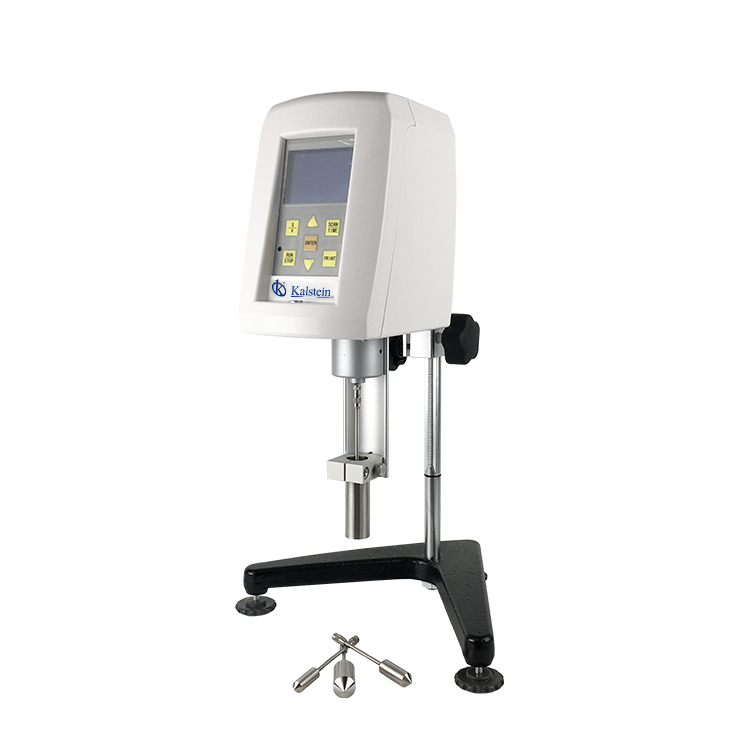
Environmental Conditions and Installation Requirements for the YR05841 Viscometer
The YR05841 digital viscometer is engineered to deliver precise viscosity measurements for small sample sizes, crucial in various laboratory settings. Understanding the environmental conditions and installation requirements for this model is essential for achieving accurate results and maintaining the device's longevity. This article delves into the optimal conditions and setup procedures for the YR05841 to ensure seamless operation.
Technical Specifications of the YR05841
| Specification | Details |
|---|---|
| Model | YR05841 |
| Measurement Range (mPa.s) | 12.8 – 4M; No.0: 12.8-1K; No.21: 100-200K; No.27: 500-1M; No.28: 1K-2M; No.29: 2K-4M |
| Speed (r/min) | 0.5/1/2/2.5/4/5/10/15/20/25/30/40/50/60/70/80/90/100 Total 18 |
| Rotor | 21, 27, 28, 29# (standard configuration); Ultra-low viscosity adapter (rotor No.0) with separate heating furnace (optional) |
| Test Error | ±2% (Newtonian liquid) |
| Repetitive Error | ±1% (Newtonian liquid) |
| Temperature Control Range | Room temperature plus 10°C - 250°C (300°C optional) |
| Temperature Control Precision | 0.1℃ |
| Interface | Two RS232 interfaces |
Environmental Conditions for the YR05841 Viscometer
To ensure optimal performance of the YR05841, specific environmental conditions must be maintained. These conditions include temperature, humidity, and overall lab environment. Ensuring that these factors are within acceptable ranges will help achieve accurate viscosity measurements.
Temperature Range
The YR05841 is designed to operate effectively in ambient temperatures ranging from 10°C above room temperature to 250°C. For applications that require higher temperatures, an optional heating oven can extend the range up to 300°C. It is crucial to monitor the temperature closely, as fluctuations can affect the viscosity readings and lead to inaccurate data.
Humidity Levels
Humidity can significantly influence the viscosity of certain liquids. It is advisable to maintain humidity levels below 70% to avoid condensation and potential damage to the electronic components of the viscometer. A dry environment is ideal for accurate measurements.
Vibration and Stability
When setting up the YR05841, ensure that it is placed on a stable, vibration-free surface. Vibrations from nearby equipment can lead to erroneous readings, causing issues in data consistency. A dedicated laboratory bench is recommended for installation.
Installation Requirements for the YR05841 Viscometer
Proper installation of the YR05841 is vital for ensuring its functionality and accuracy. This section outlines the key steps and considerations for successful installation.
Unboxing Checklist
- Verify that all components are included in the package: YR05841 viscometer, standard rotors, instruction manual, and any optional accessories.
- Check for any visible damage to the equipment during transit.
- Ensure that all cables and connections are intact.
Setting Up the Viscometer
- Place the viscometer on a level surface to prevent errors in measurement.
- Connect the power supply to ensure the device is properly powered.
- Install the appropriate rotor based on the sample viscosity range using the standard configuration.
- Calibrate the device by following the calibration procedures outlined in the user manual.
Common Installation Mistakes
During installation, operators may encounter common pitfalls. Here are some mistakes to avoid:
- Failing to level the device properly, leading to skewed results.
- Not allowing the instrument to acclimate to the ambient temperature before use.
- Improper connections of the RS232 interface, which can cause communication errors with external devices.
Performance Troubleshooting and Maintenance
Even with proper installation, issues may arise during operation. Understanding troubleshooting protocols is crucial for maintaining the YR05841's accuracy.
Diagnosing Common Issues
Here are some common symptoms, potential causes, and solutions for the YR05841:
| Symptom | Possible Cause | Solution |
|---|---|---|
| Equipment does not power on | Faulty power connection | Check power supply and connections |
| Inconsistent readings | Improper rotor installation | Reinstall rotor and verify alignment |
| Error code E-03 | Temperature out of range | Allow instrument to stabilize within operating temperature |
Frequently Asked Questions
What are the optimal humidity conditions for the YR05841 viscometer?
The optimal humidity conditions for the YR05841 viscometer should be maintained below 70% to prevent condensation that may affect performance.
How should I calibrate the YR05841 viscometer before use?
Calibration should be performed by following the steps outlined in the user manual, ensuring that the device is set to the appropriate viscosity standards before taking measurements.
What type of samples can be measured with the YR05841?
The YR05841 can measure a variety of samples, particularly suited for liquids with viscosities ranging from 12.8 to 4M. Typical applications include testing asphalt, resins, and adhesives.
Can the YR05841 be used in high-temperature environments?
Yes, the YR05841 is designed to operate up to 250°C, with an optional upgrade allowing for measurements at 300°C. Ensure proper heating control is in place.
What are the common errors encountered with the YR05841?
Common errors include inconsistent readings, power issues, and incorrect rotor installations. Regular maintenance and proper setup can mitigate these problems.
If you are looking for a fusion of innovation and quality, you have come to the right place. At Kalstein, we offer you the luxury of exploring our exclusive catalog of laboratory equipment. We manufacture every device to the highest standards of excellence. Our intuitive and seamless online purchasing channels are designed for your convenience, securing the most competitive prices. Hesitate no longer — we bring science to life, it is time to become part of our community.