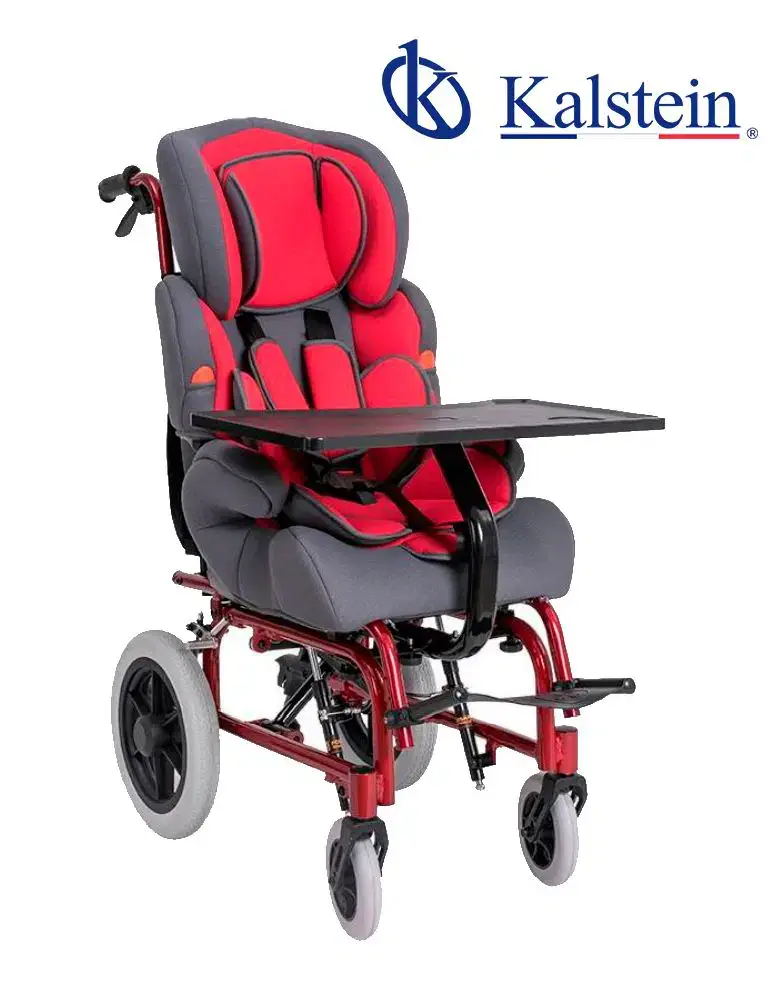
Evaluating Return on Investment and Cost-Benefit Analysis for Children Wheelchairs
In recent years, the importance of thorough return on investment (ROI) and cost-benefit analysis (CBA) assessments for procuring essential medical equipment, such as children wheelchairs, has gained prominence. This article provides an in-depth examination of several models within the Children Wheelchair category, exploring their financial implications and overall efficiencies. By focusing on performance indicators, operational costs, and the long-term benefits of these wheelchairs, we aim to guide healthcare facilities in making informed purchasing decisions.
Understanding the Importance of ROI and CBA in Healthcare Equipment Procurement
Healthcare institutions often face the challenge of justifying expenditures on equipment that can significantly affect patient mobility and quality of life. Evaluating ROI and conducting a cost-benefit analysis are crucial in making fiscal decisions that align with budgetary constraints while ensuring optimal patient care. A well-structured ROI assessment helps healthcare buyers quantify the financial returns, making it easier to prioritize equipment purchases.
The cost-benefit analysis, on the other hand, allows stakeholders to weigh the tangible and intangible benefits against the costs incurred. For children wheelchairs, factors such as durability, patient comfort, and adaptability should all be considered in the CBA. Such analyses contribute to better decision-making and improved resource allocation in healthcare settings.
Key Considerations for ROI and Cost-Benefit Analysis of Children Wheelchairs
When evaluating children wheelchairs, several factors come into play that significantly impacts the overall ROI and CBA:
- Initial Investment: The upfront cost of the wheelchair model significantly affects ROI calculations.
- Operational Costs: This includes maintenance, repairs, and additional accessories needed over time.
- Patient Mobility Improvements: Enhanced mobility can lead to improved patient outcomes, which can be monetized.
- Resale Value: Some models retain value better than others, contributing positively to overall ROI.
- Adaptability and Features: Models that offer adjustable components may prove more beneficial in the long run.
Comparative Analysis of Children Wheelchair Models
In this section, we present a detailed comparison of various children wheelchair models, assessing their specifications and how they contribute to a favorable ROI and cost-benefit scenario.
| Model | Initial Cost (USD) | Weight (kg) | Seat Width (cm) | Best for |
|---|---|---|---|---|
| YR05459 | 424.00 | 17.4 | 30 | Lightweight transport |
| YR05460 | 456.00 | 18.0 | 42 | General use with dining table |
| YR05457 | 302.00 | 25.0 | 38 | Heavy-duty use |
| YR05458 | 422.95 | 21.5 | 38 | Durable and adjustable |
| YR06611 | 316.00 | 26.0 | 34 | Cerebral palsy support |
Common Mistakes and How to Avoid Them
When conducting ROI and CBA for children wheelchairs, several common mistakes may lead to flawed conclusions and ineffective procurement strategies. Here are some pitfalls to watch out for:
- Ignoring Total Cost of Ownership: It’s essential to consider not just the purchase price but also maintenance, accessories, and depreciation.
- Lack of Comprehensive Data: Ensure that data regarding expected lifespan, resale values, and patient outcomes are collected for accurate analysis.
- Overemphasis on Initial Costs: Focusing solely on upfront expenses can lead to overlooking more efficient long-term investments.
Frequently Asked Questions
What is the ROI for children wheelchairs in healthcare settings?
The ROI for children wheelchairs, like the YR05460, can be substantial due to increased mobility and improved patient outcomes, often calculated through long-term cost savings in care.
How do I conduct a cost-benefit analysis for children wheelchairs?
Conducting a CBA involves assessing the initial cost, operational expenses, and quantifying the benefits, such as improved patient mobility, using models like YR06611 as a reference.
Which features in children wheelchairs enhance ROI?
Features such as adjustable seats and durable materials in models like YR05458 can enhance ROI by extending lifespan and improving patient comfort.
What are the common pitfalls in evaluating children wheelchair costs?
Common mistakes include neglecting total ownership costs and not accounting for long-term benefits, leading to poor choices in models like YR05457.
How do maintenance costs affect the ROI of children wheelchairs?
Maintenance costs significantly impact ROI, as seen with the YR05459 model, which is designed for lightweight transport, potentially requiring less upkeep and enhancing overall savings.
What should I include in a cost-benefit analysis for children wheelchairs?
A comprehensive CBA should include initial costs, expected lifespan, operational costs, and patient mobility improvements for models like YR06611.
How can I determine the best children wheelchair for ROI?
To determine the best wheelchair, analyze the initial cost versus expected benefits, considering models like YR05460 that come with additional features such as a dining table.
What is the expected lifespan of children wheelchairs?
The expected lifespan varies by model; for instance, the YR05457 is built for heavy-duty use, potentially providing longer service life due to its robust construction.
If you are looking for a fusion of innovation and quality, you have come to the right place. At Kalstein, we offer you the luxury of exploring our exclusive catalog of laboratory equipment. We manufacture every device to the highest standards of excellence. Our intuitive and seamless online purchasing channels are designed for your convenience, securing the most competitive prices. Hesitate no longer — we bring science to life, it is time to become part of our community.