Explosion-Proof Cabinets: Practical Applications and Techniques 2026
What is it used for in 2026
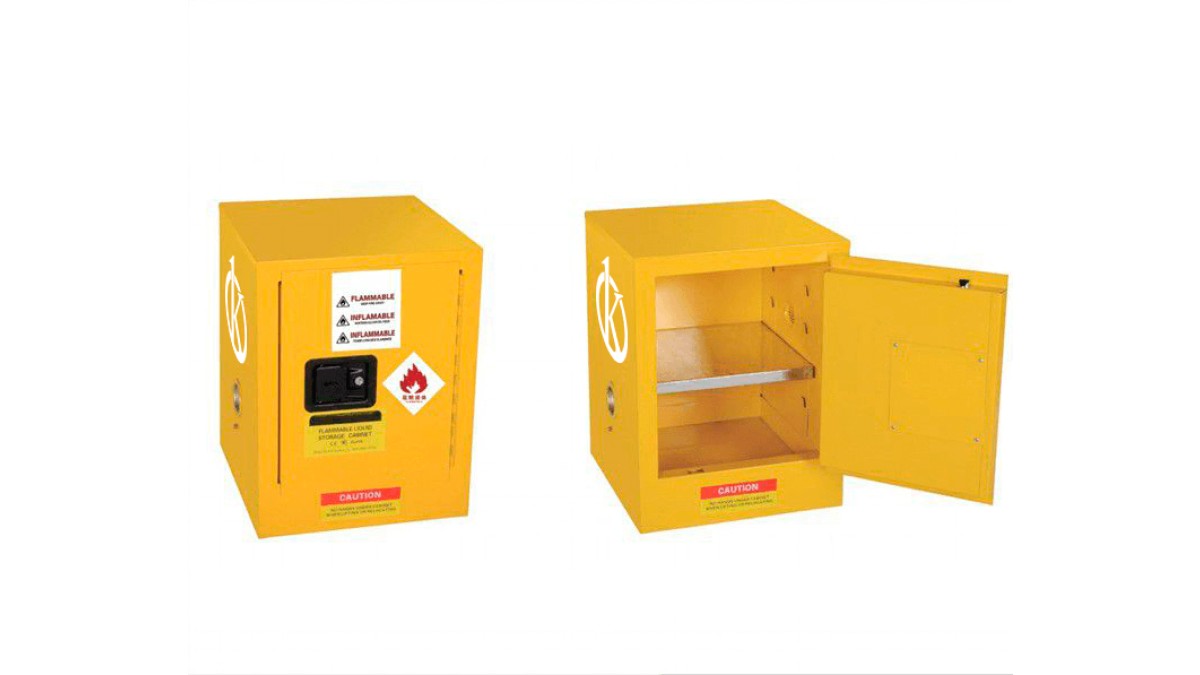
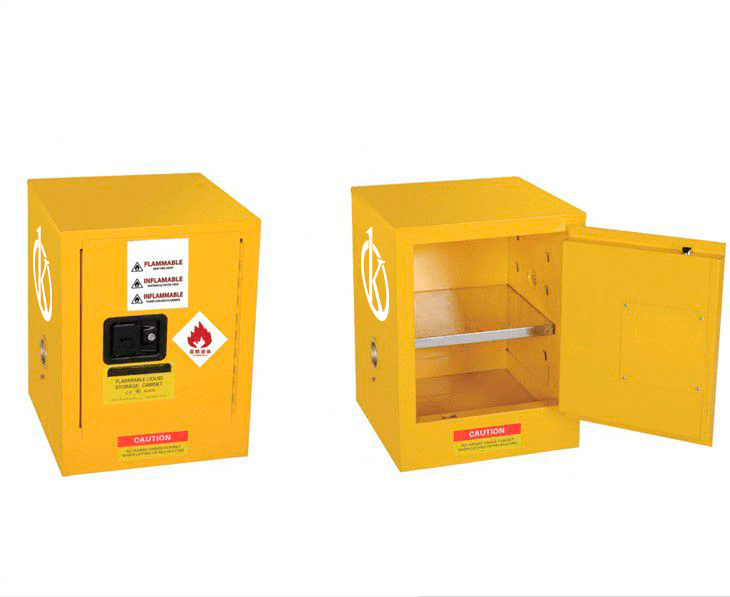
Explosion-proof cabinets are designed to safely store hazardous materials that pose a risk of explosion or fire. In 2026, their use is critical in laboratories where flammable liquids, gases, and volatile substances are handled. These cabinets minimize the risk of ignition by providing a controlled storage environment, ensuring that the materials are kept isolated from potential sources of ignition.
History and evolution of the technology
The evolution of explosion-proof cabinets dates back to the early 20th century when the need for safer storage of flammable substances became paramount in industrial and laboratory settings. Initially, these cabinets were simple metal boxes with minimal insulation. Over the years, advancements in materials technology, safety regulations, and designs have led to the modern explosion-proof cabinets that we see today, featuring enhanced insulation, secure locking mechanisms, and better ventilation systems. The introduction of electrostatic grounding and adjustable shelving has further improved their efficacy and usability.
How to use it step by step
Using explosion-proof cabinets correctly ensures maximum safety in your laboratory. Follow these steps:
- Identify hazardous materials: Assess what substances will be stored and ensure they are compatible with the cabinet.
- Select the right cabinet: Choose a model based on capacity and the specific type of materials (flammable, corrosive, etc.).
- Inspect the cabinet: Before use, check for any damages or defects, and ensure that door seals and locks are functioning properly.
- Ground the cabinet: Make sure to properly ground the cabinet to eliminate static electricity.
- Organize the contents: Use adjustable shelves to optimize space and keep heavier items lower to maintain stability.
- Close and lock: Always securely close and lock the cabinet when not in use.
- Regular checks: Perform routine inspections to ensure the cabinet remains in good condition.
Best techniques and protocols
Adhering to best practices is essential for the safe operation of explosion-proof cabinets. Some recommended techniques include:
- Regularly train staff on the proper use of the cabinets and the materials stored.
- Implement strict inventory management to track hazardous materials effectively.
- Ensure that the cabinet is easily accessible, yet positioned away from ignition sources.
- Use secondary containment such as trays to capture spills.
- Maintain a clean and organized storage area around the cabinet.
Practical applications by laboratory type
Different laboratories may use explosion-proof cabinets in various ways:
Chemical Laboratories
Store flammable solvents and reagents to prevent accidents involving volatile chemicals.
Biological Laboratories
Safely keep hazardous biological materials that require strict storage protocols.
Industrial Laboratories
Utilize for storing chemicals used in manufacturing processes to avoid risks of fire and explosion.
Regulations, standards and certifications
Explosion-proof cabinets must comply with various safety regulations and standards including:
- OSHA regulations for workplace safety.
- NFPA (National Fire Protection Association) guidelines.
- FM Global and UL (Underwriters Laboratories) certifications to ensure the cabinet meets safety and performance criteria.
Comparison with alternative technologies
While explosion-proof cabinets are the preferred choice for storing hazardous materials, some alternatives exist:
- Flammable storage lockers: Generally less expensive but may not provide the same level of protection.
- Refrigerated storage: Used for specific chemicals but may not address explosion risk effectively.
Comparison of available models
| Model | Best for | Key specs | Recommended use case |
|---|---|---|---|
| YR05464-1 | Small volumes of flammable liquids | 2-4 Gallon capacity, Single Door | Ideal for small labs with limited space |
| YR05464-2 | Small to medium volumes of flammable liquids | 2-4 Gallon capacity, Single Door | Best for labs needing minimal storage |
| YR05465 | Medium volumes of flammable liquids | 2-4 Gallon capacity, Single Door | Recommended for medium-sized laboratories |
| YR05465-1 | Medium to large volumes of flammable liquids | 2-4 Gallon capacity, Single Door | Suitable for busy laboratory environments |
| YR05465-2 | Medium to large volumes of hazardous materials | 2-4 Gallon capacity, Single Door | Perfect for labs with diverse chemical storage needs |
Common mistakes and how to avoid them
Common mistakes in using explosion-proof cabinets include:
- Overloading the cabinet, which can compromise safety. Always adhere to weight limits.
- Neglecting regular maintenance and inspections. Schedule routine checks to ensure cabinet integrity.
- Inadequate training for staff on proper usage. Conduct regular training sessions to keep everyone informed.
Maintenance, calibration and good practices 2026
Maintaining explosion-proof cabinets is crucial for ensuring their functionality and safety:
- Perform monthly inspections for wear and tear.
- Clean the interior regularly to prevent contamination.
- Calibrate any monitoring systems as per manufacturer recommendations.
Cost-benefit analysis 2026
Investing in explosion-proof cabinets can seem costly upfront, but the benefits outweigh the expenses:
- Reduced risk of accidents saves costs associated with injuries and damages.
- Enhanced compliance with regulations avoids potential fines.
- Increased operational efficiency by maintaining a safe working environment.
Frequently asked questions
What materials can be stored in explosion-proof cabinets?
Explosion-proof cabinets are primarily designed for flammable liquids, gases, and other hazardous materials that may pose a risk of explosion or fire.
How do I choose the right explosion-proof cabinet for my lab?
Consider the type of materials you will store, the volume required, and the specific safety features you need. Assess your lab's space and workflow to select the most suitable model.
What are the key safety features of explosion-proof cabinets?
Key safety features include secure locking mechanisms, grounding systems, proper ventilation, and adjustable shelving to organize materials effectively.
How often should explosion-proof cabinets be inspected?
It is recommended to inspect explosion-proof cabinets at least monthly, checking for any signs of wear, damage, or failure of safety features.
Can explosion-proof cabinets be used outdoors?
While some models are designed for outdoor use, it is essential to check the manufacturer's specifications and ensure that the cabinet is suitable for such conditions.
What regulations must be followed when using explosion-proof cabinets?
Follow OSHA regulations, NFPA guidelines, and ensure your cabinets meet local safety standards and certifications.
How can I maintain my explosion-proof cabinet?
Regularly clean the cabinet, perform inspections, check the integrity of seals and locks, and calibrate any monitoring systems as needed.
If you are looking for a fusion of innovation and quality, you have come to the right place. At Kalstein, we offer you the luxury of exploring our exclusive catalog of laboratory equipment. We manufacture every device to the highest standards of excellence. Our intuitive and seamless online purchasing channels are designed for your convenience, securing the most competitive prices. Hesitate no longer — we bring science to life, it is time to become part of our community.