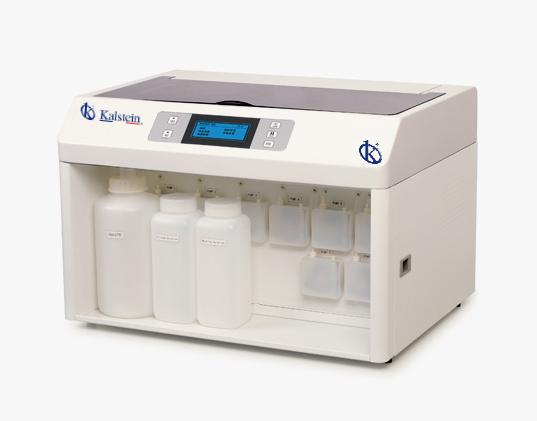
Food Safety Analyzers: Common Mistakes and How to Avoid Them in Daily Operation 2026
As the demand for food safety testing continues to grow, so does the importance of using food safety analyzers effectively in laboratory settings. This article will cover various common mistakes made during daily operations and provide insights on how to avoid them, ensuring accurate and reliable results.
What is it used for in 2026
Food safety analyzers are utilized in laboratories to test for contaminants, pesticides, and other hazardous substances in food products. In 2026, these devices have evolved to handle a broader range of tests, providing quick and precise results essential for maintaining food safety standards.
History and evolution of the technology
The technology behind food safety analyzers has evolved significantly over the years. Initially relying on manual testing methods, advancements in automation and digital technology have transformed these devices into sophisticated tools capable of conducting multiple tests simultaneously. The integration of advanced software and analytical techniques has further enhanced their reliability and efficiency.
How to use it step by step
Operating food safety analyzers involves a series of systematic steps. Here’s a brief outline:
- Preparation: Ensure that the analyzer is clean and calibrated according to the manufacturer’s specifications.
- Sample Collection: Collect food samples using sterile techniques to prevent contamination.
- Loading Samples: Carefully load samples into the analyzer according to the device’s guidelines.
- Running Tests: Select the appropriate testing protocols and initiate the testing process.
- Data Analysis: Once tests are complete, analyze the data using the device’s software.
- Reporting Results: Document results accurately for compliance and record-keeping.
Best techniques and protocols
Adopting best practices and protocols is crucial for achieving reliable results with food safety analyzers. Techniques may include:
- Utilizing controls and calibrators to ensure test accuracy.
- Regular maintenance of equipment to avoid malfunctions.
- Training laboratory personnel on standard operating procedures.
Practical applications by laboratory type
Food safety analyzers have diverse applications depending on the type of laboratory:
- Commercial Testing Laboratories: Focus on quality control and compliance testing for food manufacturers.
- Research Laboratories: Conduct experiments and studies on food safety innovations and contaminants.
- Government Food Safety Agencies: Monitor food safety standards and enforce regulations.
Regulations, standards and certifications
Food safety laboratories must adhere to various regulations and standards, such as:
- ISO 17025 for testing and calibration laboratories.
- FDA guidelines for food safety testing.
- Local health department regulations regarding food safety compliance.
Comparison with alternative technologies
Food safety analyzers can be compared to alternative technologies such as traditional laboratory methods and rapid testing kits. While traditional methods often require more time and manual intervention, rapid testing kits may lack the precision of advanced analyzers but can offer quick results in field settings.
Comparison of available models
| Model | Best for | Key specs | Recommended use case |
|---|---|---|---|
| YR06090 | High-demand immunology testing | Processes up to 40 strips; 6 channels; precise dispensing | Laboratories with high throughput requirements |
| YR06089 | Food safety screening | Absorbance range 0-4,500Abs; up to 96 tests | Testing for pesticide and antibiotic residues |
| YR06093 | Incubation and shaking for cultured samples | Temperature range 25-60°C; compatible with ELISA | Microplate applications requiring incubation |
Common mistakes and how to avoid them
Common mistakes include:
- Improper Calibration: Regularly calibrate analyzers to maintain accuracy.
- Sample Contamination: Use sterile techniques when collecting samples to prevent contamination.
- Neglecting Maintenance: Follow a maintenance schedule to ensure optimal performance.
Maintenance, calibration and good practices 2026
To ensure longevity and accuracy, implement a comprehensive maintenance and calibration routine:
- Follow manufacturer guidelines for cleaning and maintenance.
- Schedule regular calibration checks.
- Provide ongoing training for laboratory personnel.
Cost-benefit analysis 2026
Investing in food safety analyzers can yield significant returns through improved accuracy and compliance, ultimately minimizing costly errors and enhancing food safety protocols.
Frequently asked questions
What are the key factors to consider when choosing a food safety analyzer?
When selecting a food safety analyzer, consider factors such as testing capacity, accuracy, ease of use, and compliance with relevant standards.
How often should I calibrate my food safety analyzer?
Calibrate your analyzer regularly, ideally before each use or according to the manufacturer's recommendations, to ensure accurate results.
What common mistakes do laboratories make when using food safety analyzers?
Common mistakes include improper calibration, sample contamination, and neglecting regular maintenance.
Can food safety analyzers be used for multiple types of tests?
Yes, many food safety analyzers are designed to conduct a variety of tests, making them versatile tools for laboratory applications.
What are the best practices for maintaining food safety analyzers?
Best practices include following the manufacturer's maintenance schedule, conducting regular calibration, and training personnel on proper operating procedures.
How do food safety analyzers help in compliance with regulations?
Food safety analyzers provide accurate testing results that are essential for meeting industry regulations and ensuring consumer safety.
How can I request a quote for a food safety analyzer?
You can easily request a quote by contacting us directly, and we will provide you with the necessary information and options.
If you are looking for a fusion of innovation and quality, you have come to the right place. At Kalstein, we offer you the luxury of exploring our exclusive catalog of laboratory equipment. We manufacture every device to the highest standards of excellence. Our intuitive and seamless online purchasing channels are designed for your convenience, securing the most competitive prices. Hesitate no longer — we bring science to life, it is time to become part of our community.