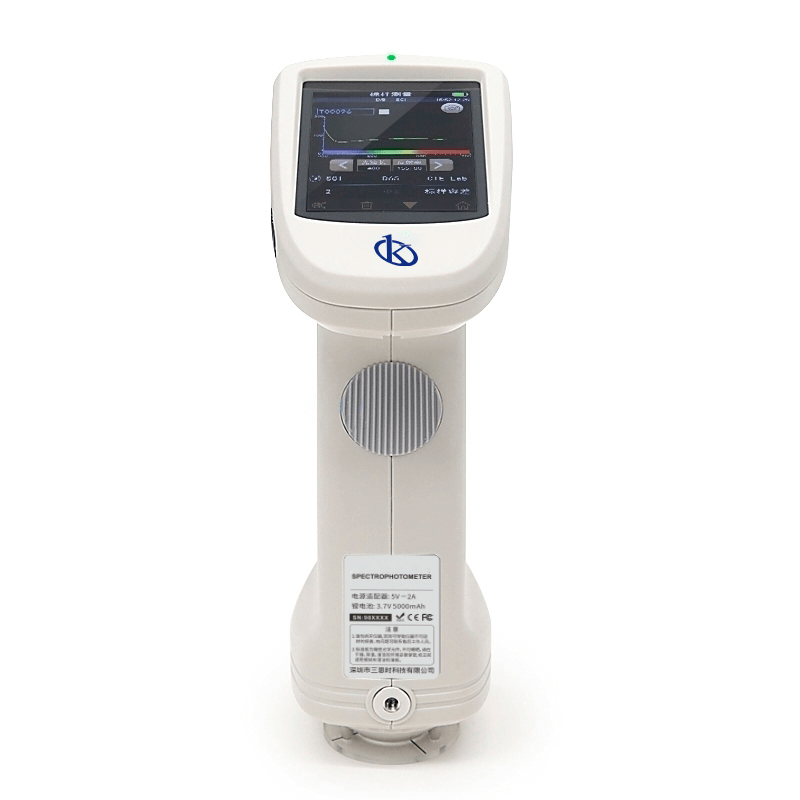
Handheld Spectrophotometers: Applications in Research, Biotechnology, and Academia 2026
Handheld spectrophotometers are versatile tools used in various laboratory settings, particularly in research, biotechnology, and academia. This article will delve into how to effectively use these instruments in 2026, their applications across different laboratory types, and best practices for ensuring accurate results.
What is it used for in 2026
In 2026, handheld spectrophotometers are primarily employed for color measurement and analysis in multiple fields, including material science, food quality control, and environmental monitoring. They are essential for:
- Quality control in manufacturing, ensuring product consistency.
- Research applications, providing data for experiments and studies.
- Color matching in textiles and coatings, crucial for industries focusing on aesthetics.
- Environmental testing to assess pollutants and other chemical concentrations in various samples.
History and evolution of the technology
The handheld spectrophotometer's journey began in the early 20th century, with advancements in optics and digital technology. Initially, spectrophotometers were bulky and limited to laboratory use, but with the advent of miniaturized sensors and microprocessors, they became portable. This evolution has drastically improved their usability and accessibility, making them popular choices in field studies.
How to use it step by step
Using a handheld spectrophotometer involves a straightforward process:
- Calibrate the instrument: Follow the manufacturer's instructions to ensure accurate measurements.
- Select the appropriate mode: Depending on the analysis type, choose the right measurement mode (e.g., reflectance or transmittance).
- Prepare the sample: Ensure that the sample is clean and appropriately prepared for measurement.
- Take measurements: Place the sample in the spectrophotometer and initiate the measurement process.
- Record and analyze data: Save the results for further analysis and comparison.
Best techniques and protocols
To achieve reliable results, it's essential to follow best practices:
- Regularly calibrate the spectrophotometer using standard solutions.
- Maintain consistent sample preparation methods.
- Utilize appropriate light sources and filters based on the application.
- Follow standardized protocols for data analysis to reduce variability.
Practical applications by laboratory type
Handheld spectrophotometers find applications in various laboratory settings:
- Chemical laboratories: Used for analyzing chemical samples to determine concentrations.
- Food laboratories: Essential for quality control and color measurement in food products.
- Environmental laboratories: Monitor water quality and other environmental parameters.
- Academic institutions: Used in educational settings for teaching principles of spectroscopy and analytical chemistry.
Regulations, standards and certifications
Handheld spectrophotometers must comply with various regulations and standards:
- ISO 9001 for quality management systems.
- ASTM E1164 for color measurement in materials.
- Various national and international guidelines depending on the specific application.
Comparison with alternative technologies
Compared to traditional spectrophotometers, handheld models offer portability and ease of use, making them suitable for fieldwork. However, bench-top models generally provide higher precision and are better suited for complex analyses involving multiple wavelengths.
Comparison of available models
| Model | Best for | Key specs | Recommended use case |
|---|---|---|---|
| YR05493 | Color measurement | Optical Geometry: D/8; Price: $4254.00 | Quality control in textiles and automotive industries. |
| YR05494 | Color analysis | Optical Geometry: Reflect: di:8°; Price: $3180.00 | Precise color measurement in printing and coating industries. |
| YR05495 | Quality control | Optical Geometry: Reflect: di:8°; Price: $2250.00 | Used in plastic and textile industries for quality assurance. |
| YR05496 | Color matching | Lighting System: 45/0; Price: $1670.00 | Color management in laboratories. |
| YR05499 | Color control | Lighting System: d/8; Price: $1670.00 | Environmental monitoring and safety compliance. |
| YR05498 | Product quality | Lighting System: d/8; Price: $1670.00 | Used in various industries for product color verification. |
Common mistakes and how to avoid them
To ensure accurate results, avoid these common pitfalls:
- Neglecting calibration can lead to erroneous measurements.
- Inconsistent sample preparation affects reproducibility.
- Ignoring manufacturer guidelines can result in misuse of the instrument.
Maintenance, calibration and good practices 2026
Regular maintenance is crucial for optimal performance:
- Calibrate the spectrophotometer before each use.
- Clean optical components regularly to prevent contamination.
- Store the device in a protective case to avoid damage.
Cost-benefit analysis 2026
Investing in handheld spectrophotometers offers significant benefits in terms of efficiency and accuracy. The initial costs are generally outweighed by the savings from improved quality control and reduced waste in production processes. Additionally, their portability allows for greater flexibility in research and field applications.
Frequently asked questions
What features should I consider when choosing a handheld spectrophotometer?
Consider the measurement range, optical geometry, and compatibility with your specific applications. Evaluate the device’s calibration capabilities and software integration options as well.
How can I ensure accurate results when using a handheld spectrophotometer?
To ensure accuracy, regularly calibrate your device, use consistent sample preparation techniques, and follow best practices for measurement protocols.
Are handheld spectrophotometers suitable for fieldwork?
Yes, their portability and ease of use make handheld spectrophotometers ideal for various field applications, such as environmental monitoring and quality control.
What is the typical lifespan of a handheld spectrophotometer?
The lifespan varies depending on usage and maintenance, but with proper care, they can last several years, often exceeding five years of reliable service.
Can I connect a handheld spectrophotometer to a PC?
Many models come with software that allows for data transfer to a PC, enabling enhanced data analysis and reporting capabilities.
What industries benefit most from handheld spectrophotometers?
Industries such as food and beverage, textiles, environmental science, and pharmaceuticals greatly benefit from the precise measurements provided by handheld spectrophotometers.
Where can I request a quote for a handheld spectrophotometer?
To get a quote for a handheld spectrophotometer, you can easily reach out through our dedicated channels for pricing and options.
If you are looking for a fusion of innovation and quality, you have come to the right place. At Kalstein, we offer you the luxury of exploring our exclusive catalog of laboratory equipment. We manufacture every device to the highest standards of excellence. Our intuitive and seamless online purchasing channels are designed for your convenience, securing the most competitive prices. Hesitate no longer — we bring science to life, it is time to become part of our community.