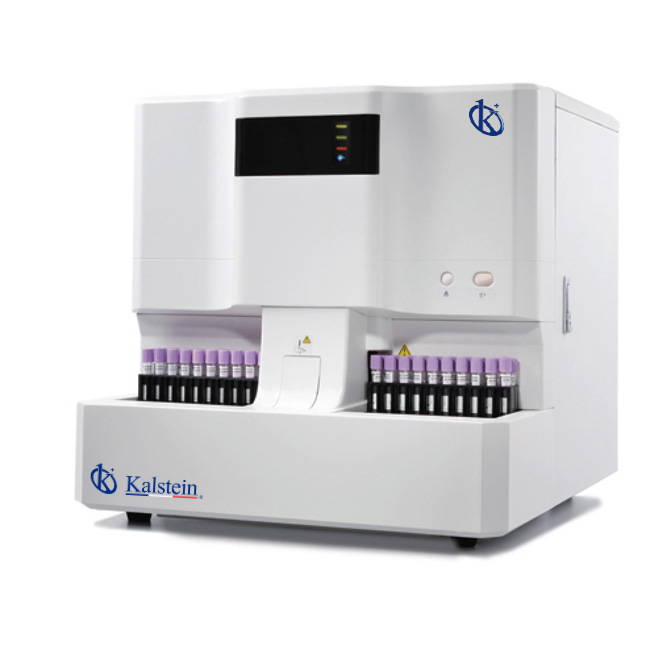
Hematology Analyzers: Common Mistakes and How to Avoid Them in Daily Operation 2026
What is it used for in 2026
Hematology analyzers are essential devices used in laboratories for the complete blood count tests and differential white blood cell counts. In 2026, these analyzers are utilized to provide accurate and rapid results in diagnosing various conditions such as anemia, infections, and blood disorders. They efficiently analyze blood samples, delivering multiple parameters that help medical professionals make informed decisions about patient care.
History and evolution of the technology
The development of hematology analyzers dates back several decades, evolving from manual counting techniques to automated systems. Initially, blood cell counts were performed manually using a microscope and hemocytometer. The introduction of early automated analyzers in the 1950s revolutionized blood analysis, increasing accuracy and reducing human error. Modern analyzers now incorporate advanced technologies such as laser scattering and flow cytometry, which enhance their capacity to provide detailed analyses quickly and reliably.
How to use it step by step
Using hematology analyzers involves a series of straightforward steps to ensure accurate results:
- Sample Collection: Collect blood samples using appropriate anticoagulants and techniques.
- Preparation: Ensure that the samples are properly prepared and mixed to prevent clotting.
- Calibration: Calibrate the analyzer according to the manufacturer's guidelines before use.
- Loading Samples: Load the samples into the analyzer's automatic loader, ensuring they are placed correctly.
- Running the Analysis: Start the analyzer and select the appropriate testing mode based on the sample type.
- Reviewing Results: Once the analysis is complete, review the results on the display and save them as required.
- Cleaning: Perform routine cleaning of the analyzer as per the manufacturer's instructions to maintain optimal performance.
Best techniques and protocols
To achieve the best results with hematology analyzers, it is crucial to follow established protocols:
- Always validate calibration regularly to ensure accuracy.
- Use high-quality reagents specific to the analyzer model.
- Adhere to sample storage guidelines to prevent degradation.
- Regularly maintain the analyzer and keep it clean to prevent cross-contamination.
- Document all procedures and results for traceability and quality assurance.
Practical applications by laboratory type
Hematology analyzers find applications in various laboratory settings:
- Clinical Laboratories: Used for routine blood tests for inpatient and outpatient diagnostics.
- Research Laboratories: Employed for studies involving blood cell behavior and diseases.
- Blood Banks: Critical for determining blood types and ensuring donor safety.
Regulations, standards and certifications
Hematology analyzers must comply with various regulations and standards, including:
- ISO 13485 for medical devices quality management systems.
- CLIA (Clinical Laboratory Improvement Amendments) for laboratory testing quality.
- FDA regulations for the approval of new devices and ensuring they meet safety and performance standards.
Comparison with alternative technologies
While hematology analyzers are widely used, alternatives such as manual microscopy still have their place in specific circumstances:
- Manual Microscopy: Provides detailed morphology but lacks automation and speed.
- Point-of-Care Devices: Offer rapid results but may not be as comprehensive as full-scale analyzers.
Comparison of available models
| Model | Best for | Key specs | Recommended use case |
|---|---|---|---|
| YR06080 | High-demand laboratories requiring efficiency | 28 parameters, 60 samples/hour | High-volume testing environments |
| YR05123 | Precision analysis of blood samples | 60 samples/hour, 3D technology | Clinical diagnostics |
| YR05122-1 | Comprehensive blood analysis | 29 parameters, 60 samples/hour | Extensive laboratory research |
| YR05122 | Routine testing and monitoring | 23 parameters, 35 samples/hour | Outpatient facilities |
| YR05121 | General clinical applications | 23 parameters, 35 samples/hour | Emergency rooms |
| YR05120 | High-throughput testing | 23 parameters, 35 samples/hour | Large hospitals |
Common mistakes and how to avoid them
Laboratory professionals often make mistakes that can compromise the results produced by hematology analyzers. Here are some common errors and how to avoid them:
- Neglecting Calibration: Always calibrate the analyzer before use and at regular intervals.
- Improper Sample Handling: Ensure samples are mixed thoroughly and stored correctly to prevent clotting.
- Ignoring Maintenance: Follow the manufacturer's maintenance schedule to avoid breakdowns.
Maintenance, calibration and good practices 2026
Maintaining hematology analyzers is crucial for their longevity and accuracy. Follow these practices:
- Regularly clean all parts of the analyzer to prevent contamination.
- Calibrate using standard solutions to ensure measurement accuracy.
- Keep a log of maintenance activities and results for quality assurance.
Cost-benefit analysis 2026
When considering the purchase of a hematology analyzer, it's essential to evaluate the cost against the anticipated benefits. The initial investment can be substantial, but the return on investment includes:
- Increased throughput and efficiency in blood sample analysis.
- Improved accuracy and reliability leading to better patient care.
- Reduced labor costs as automated systems require less manual intervention.
Frequently asked questions
What are the most important features to look for in a hematology analyzer?
When selecting a hematology analyzer, consider features such as the number of parameters it can analyze, its throughput speed, ease of use, and the technology it employs for analysis.
How can I ensure the accuracy of results from a hematology analyzer?
To ensure accuracy, regularly calibrate the analyzer, use high-quality reagents, and follow standard operating procedures for sample handling and analysis.
What maintenance is required for hematology analyzers?
Maintenance tasks typically include regular cleaning, calibration checks, and software updates as recommended by the manufacturer to ensure the device operates efficiently.
How do I choose the right model for my laboratory?
Consider your laboratory's volume of samples, the types of tests you'll conduct, and your budget. Analyze the specifications of different models to find one that fits your needs.
What are the common errors made during operation?
Common errors include neglecting calibration, improper sample handling, and lack of regular maintenance. Following best practices and protocols can help mitigate these issues.
Can hematology analyzers be used for research purposes?
Yes, many hematology analyzers provide detailed analyses that are beneficial for research purposes, enabling studies on blood disorders and other medical conditions.
Where can I request a quote for a hematology analyzer?
You can request a quote for hematology analyzers by contacting Kalstein or visiting their exclusive catalog online for various models and pricing.
If you are looking for a fusion of innovation and quality, you have come to the right place. At Kalstein, we offer you the luxury of exploring our exclusive catalog of laboratory equipment. We manufacture every device to the highest standards of excellence. Our intuitive and seamless online purchasing channels are designed for your convenience, securing the most competitive prices. Hesitate no longer — we bring science to life, it is time to become part of our community.