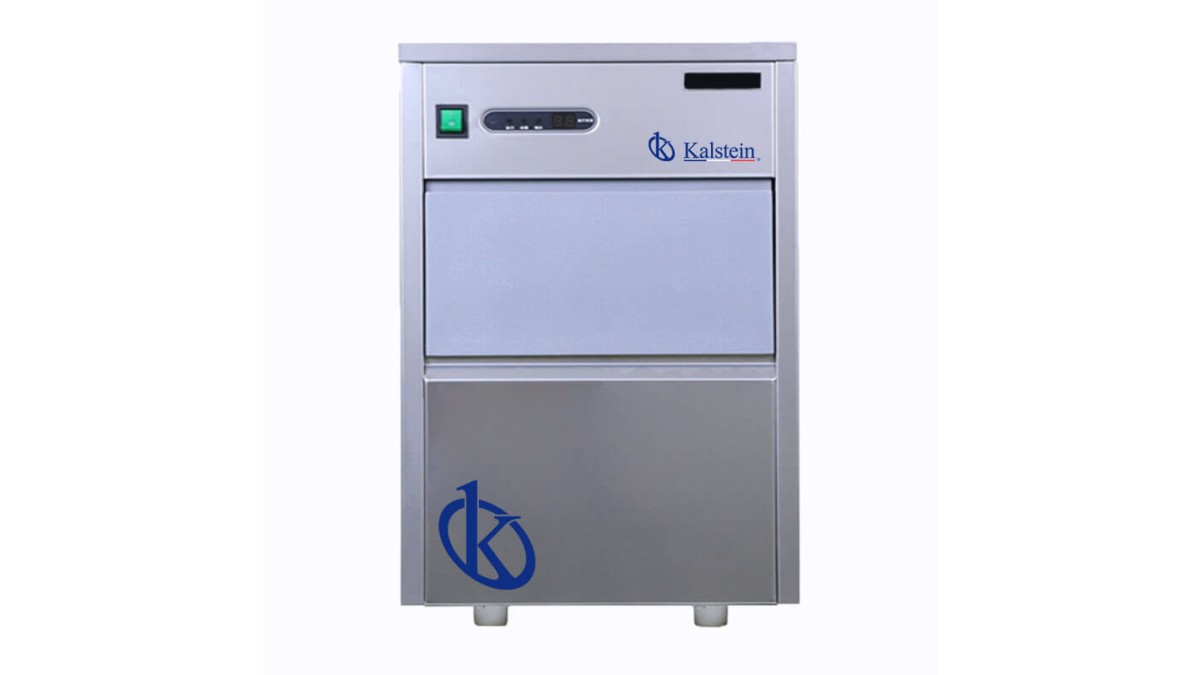
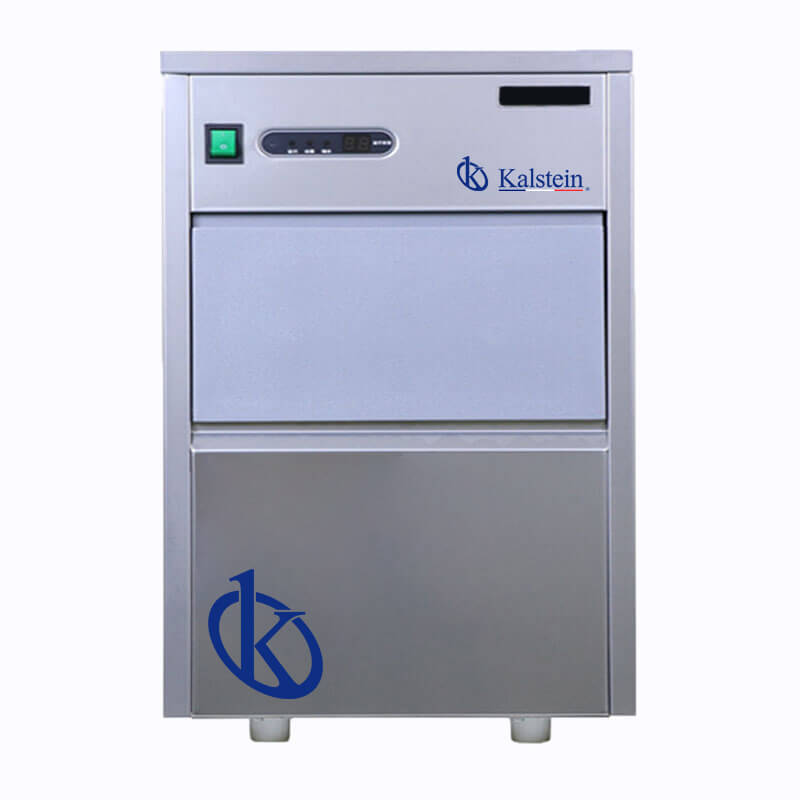
Ice Machines: Practical Applications and Techniques 2026
Ice machines have become integral components in various laboratory settings, providing essential support for a range of processes that require temperature control and preservation. This article aims to guide laboratory professionals through the applications, best practices, techniques, and regulations surrounding the use of ice machines in 2026.
What is it used for in 2026
In 2026, ice machines are primarily utilized in clinical and hospital laboratories for a variety of applications including sample preservation, reagent cooling, and biological sample management. They are essential in maintaining specific temperatures for biological specimens, supporting biochemical assays, and enhancing testing accuracy.
History and evolution of the technology
The evolution of ice-making technology has significantly transformed laboratory practices. Initially, manual methods were employed, relying on natural ice harvesting. With advancements in compressor technology and the introduction of refrigeration principles, automated ice machines emerged, marking a new era. The shift from traditional ice-making methods to modern, energy-efficient machines has improved safety, reliability, and efficiency in laboratory operations.
How to use it step by step
Using an ice machine effectively requires adherence to a systematic approach:
- Installation: Ensure the machine is placed on a stable surface and connected to the appropriate water supply and power source.
- Setup: Set the desired ice-making parameters, including production speed and storage settings.
- Maintenance Check: Regularly inspect components to ensure optimal performance, including cleaning filters and checking refrigerant levels.
- Operation: Start the machine according to the manufacturer’s instructions, and monitor during operation.
- Ice Harvesting: Collect ice as needed for your laboratory applications, ensuring proper storage to maintain quality.
Best techniques and protocols
Implementing best practices ensures efficient use of ice machines:
- Regular cleaning and sanitization to prevent contamination.
- Routine maintenance checks to uphold performance standards.
- Calibration of temperature settings for optimal ice production related to specific laboratory needs.
- Documenting usage data to track ice consumption and machine performance over time.
Practical applications by laboratory type
Ice machines serve various laboratory types differently:
- Clinical Laboratories: Used for preserving blood samples and reagents.
- Research Laboratories: Essential for cooling experimental setups and maintaining the integrity of samples.
- Pharmaceutical Labs: Important for stability testing and transportation of sensitive materials.
Regulations, standards and certifications
Compliance with regulatory standards is crucial. Ice machines should meet safety certifications such as CE marking and comply with local health and safety regulations. Regular audits and inspections can ensure adherence to these standards.
Comparison with alternative technologies
When evaluating ice machines, it’s essential to compare them with alternative cooling technologies such as liquid nitrogen systems or refrigerated units. Ice machines offer a more manageable cost and are versatile for various applications, while alternatives may be preferred for specific high-demand scenarios.
Comparison of available models
| Model | Best for | Key specs | Recommended use case |
|---|---|---|---|
| YR05130 | Small to medium laboratories | 20 Kg/24h, 10 Kg storage | Ideal for educational labs and small medical facilities. |
| YR05131 | Higher volume requirements | 30 Kg/24h, 10 Kg storage | Perfect for busy medical labs needing quick ice production. |
| YR05132 | Research labs with high sample volume | 40 Kg/24h, 15 Kg storage | Best for laboratories handling a large number of samples. |
| YR05133 | High demand environments | 50 Kg/24h, 15 Kg storage | Suitable for pharmaceutical laboratories with extensive testing. |
| YR05134 | Large scale operations | 60 Kg/24h, 25 Kg storage | Appropriate for large hospitals and biotech firms. |
| YR05135 | Extensive ice production | 70 Kg/24h, 25 Kg storage | Ideal for labs with continuous ice requirements. |
Common mistakes and how to avoid them
When utilizing ice machines, common mistakes can hinder performance:
- Neglecting Maintenance: Regular inspections and cleaning are essential. Establish a schedule for routine checks.
- Improper Setup: Ensure correct installation and parameter settings to avoid inefficiencies.
- Ignoring Water Quality: Use filtered water to prevent mineral buildup and extend machine life.
Maintenance, calibration and good practices 2026
Adhering to maintenance protocols is fundamental:
- Performing regular cleaning to ensure hygiene.
- Calibrating temperature controls for consistent ice quality.
- Storing ice properly to prevent melting and contamination.
Cost-benefit analysis 2026
In 2026, the investment in an ice machine should be considered against efficiency, cost savings in ice procurement, and the reliability of laboratory operations. Analyzing the total cost of ownership versus the benefits gained through enhanced productivity is crucial.
Frequently asked questions
What should I consider when choosing an ice machine for my laboratory?
Factors to consider include ice production capacity, storage capability, energy efficiency, and the specific needs of your laboratory processes.
How often should I clean my ice machine?
It is recommended to clean your ice machine every month to prevent bacterial growth and ensure the production of clean ice.
Can ice machines operate in different environments?
Yes, ice machines are designed to operate in various environments, but certain models may perform better in specific temperature conditions.
How do I ensure the quality of ice produced?
Using filtered water, maintaining proper temperature settings, and regular cleaning will help ensure high-quality ice production.
What is the typical lifespan of an ice machine?
With proper maintenance, an ice machine can last anywhere from 5 to 10 years, depending on usage and quality of the machine.
Are ice machines energy-efficient?
Most modern ice machines are designed with energy-efficient components, but it is essential to check the energy ratings and select models that are optimized for low consumption.
How do I troubleshoot common issues with ice machines?
Refer to the manufacturer's manual for troubleshooting tips, which often include checking for blockages, ensuring proper settings, and inspecting the water supply.
If you are looking for a fusion of innovation and quality, you have come to the right place. At Kalstein, we offer you the luxury of exploring our exclusive catalog of laboratory equipment. We manufacture every device to the highest standards of excellence. Our intuitive and seamless online purchasing channels are designed for your convenience, securing the most competitive prices. Hesitate no longer — we bring science to life, it is time to become part of our community.