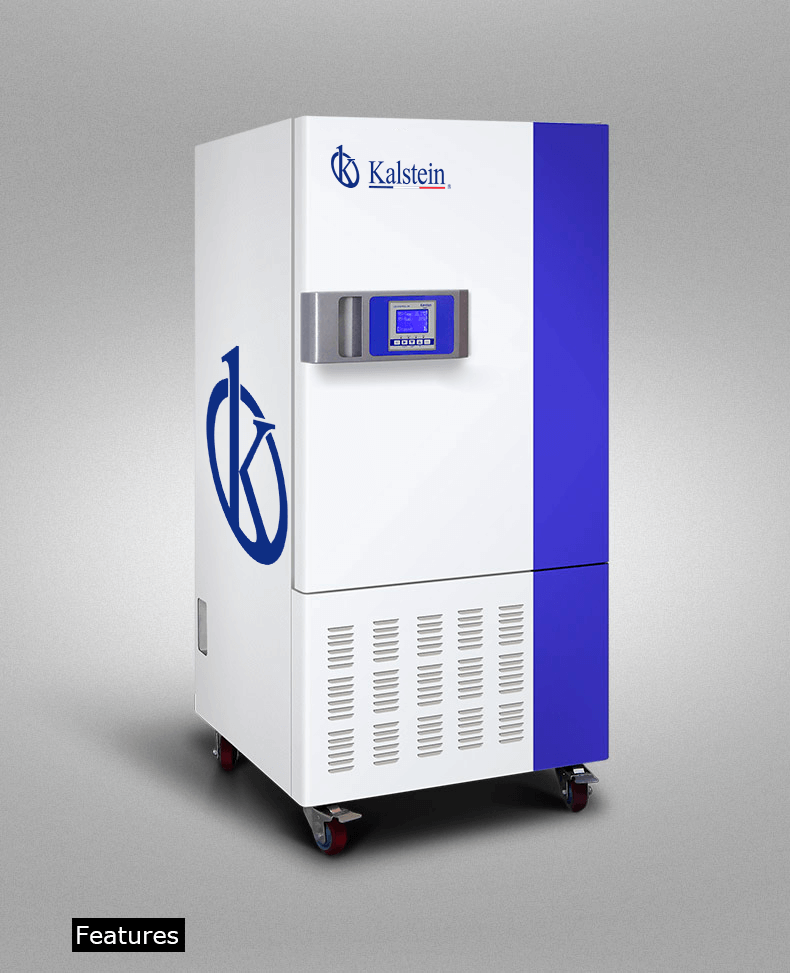
Illumination Drug Stability Test Chambers: Best Practices and Techniques 2026
What is it used for in 2026
Illumination Drug Stability Test Chambers are essential in pharmaceutical laboratories to assess the stability of drug formulations under various light conditions. In 2026, their primary use includes conducting accelerated stability tests, long-term stability assessments, and evaluating the effects of light exposure on drug formulations. These chambers are crucial for ensuring the efficacy and safety of pharmaceutical products by simulating real-life storage conditions.
History and evolution of the technology
The technology behind Illumination Drug Stability Test Chambers has evolved significantly over the years. Initially, these chambers used basic lighting and temperature controls, which often resulted in inconsistent data. However, advancements in microprocessor-controlled PID systems have enhanced their precision, allowing for accurate temperature and light intensity regulation. In recent years, environmental sustainability has become a focus, leading to the development of energy-efficient models equipped with advanced defrosting mechanisms.
How to use it step by step
- Preparation: Ensure the chamber is clean and calibrated. Review the user manual for specific operational guidelines.
- Setting parameters: Input desired temperature and illumination levels based on the specific stability testing protocol.
- Loading samples: Place drug samples securely inside the chamber, ensuring proper spacing for air circulation.
- Monitoring: Regularly check the chamber's digital display for temperature and light readings to ensure they remain within the set parameters.
- Data recording: Document any changes in the drug formulations at specified intervals as per your testing protocol.
- Analysis: After the testing period, analyze the data collected to assess the stability of the drug formulations.
Best techniques and protocols
In 2026, the best practices for using Illumination Drug Stability Test Chambers include:
- Utilizing validated protocols that comply with regulatory standards to ensure data integrity.
- Regularly calibrating the equipment to maintain accuracy.
- Implementing robust data management systems for recording and analyzing results.
- Following recommended sample sizes to ensure statistically significant results.
Practical applications by laboratory type
Different types of laboratories utilize Illumination Drug Stability Test Chambers for various applications:
- Pharmaceutical Laboratories: Conduct stability tests for drug formulations to meet regulatory requirements.
- Research Laboratories: Assess the effects of different light conditions on new drug formulations and compounds.
- Quality Control Laboratories: Ensure that products meet specifications for light exposure and stability.
Regulations, standards and certifications
Laboratories must adhere to several regulations and standards when using Illumination Drug Stability Test Chambers, including:
- International Conference on Harmonisation (ICH) guidelines for stability testing.
- Good Laboratory Practice (GLP) regulations to ensure reliable and reproducible results.
- ISO standards related to environmental testing equipment.
Comparison with alternative technologies
While Illumination Drug Stability Test Chambers are essential for light stability testing, there are alternative technologies that laboratories may consider:
- Conventional Stability Chambers: Focus on temperature and humidity but do not simulate light exposure.
- Accelerated Stability Testing Equipment: Uses higher temperatures for faster results but lacks the ability to regulate light exposure.
Comparison of available models
| Model | Best for | Key specs | Recommended use case |
|---|---|---|---|
| YR05353 | Accelerated stability tests | Temperature range: 10~65 ℃ (with light) | Long-term stability assessments for pharmaceuticals |
| YR05353-1 | Long-term stability tests | Temperature accuracy: 0.1℃ | Testing new formulations under controlled light exposure |
| YR05353-2 | Light exposure assessments | Lighting range: 0~6000LX | Evaluating light sensitivity of drug compounds |
Common mistakes and how to avoid them
Many laboratories face challenges when using Illumination Drug Stability Test Chambers. Common mistakes include:
- Failing to calibrate the chamber regularly, leading to inaccurate results.
- Overloading the chamber, which can affect temperature and light uniformity.
- Not following documented protocols, risking compliance issues with regulatory standards.
Maintenance, calibration and good practices 2026
To ensure optimal performance of Illumination Drug Stability Test Chambers, laboratories should implement the following maintenance practices:
- Schedule regular calibration sessions to verify temperature and light intensity.
- Perform routine cleaning to prevent contamination of samples.
- Keep detailed records of maintenance activities and any issues encountered.
Cost-benefit analysis 2026
Investing in Illumination Drug Stability Test Chambers presents several benefits, including:
- Enhanced data reliability and compliance with regulations leading to fewer product recalls.
- Improved product quality through rigorous testing protocols.
- Long-term savings by reducing the need for re-testing of unstable formulations.
Frequently asked questions
What are the key features to look for in an Illumination Drug Stability Test Chamber?
When selecting a chamber, look for features such as precise temperature control, adjustable light intensity, and robust data logging capabilities to ensure compliance with testing standards.
How often should I calibrate my stability test chamber?
Calibration should be performed at least annually, but more frequent checks are recommended if the chamber is heavily used or if there are significant fluctuations in environmental conditions.
Can I use an Illumination Drug Stability Test Chamber for other types of testing?
While these chambers are specialized for light stability testing, they can also be used for other environmental testing purposes, provided they meet the necessary specifications for temperature and humidity.
What is the role of data logging in stability testing?
Data logging allows for continuous monitoring of temperature and light conditions, providing a reliable record of the testing process essential for regulatory compliance and analysis.
How can I ensure compliance with regulatory requirements?
Adhering to established protocols, maintaining accurate records, and calibrating equipment regularly are critical for compliance with regulatory standards in stability testing.
What are the advantages of using automated features in stability chambers?
Automated features enhance accuracy and reduce the likelihood of human error, allowing for more consistent and reliable testing results.
Where can I request a quote for these chambers?
For the best pricing and options available for Illumination Drug Stability Test Chambers, feel free to request a quote through our channels.
If you are looking for a fusion of innovation and quality, you have come to the right place. At Kalstein, we offer you the luxury of exploring our exclusive catalog of laboratory equipment. We manufacture every device to the highest standards of excellence. Our intuitive and seamless online purchasing channels are designed for your convenience, securing the most competitive prices. Hesitate no longer — we bring science to life, it is time to become part of our community.