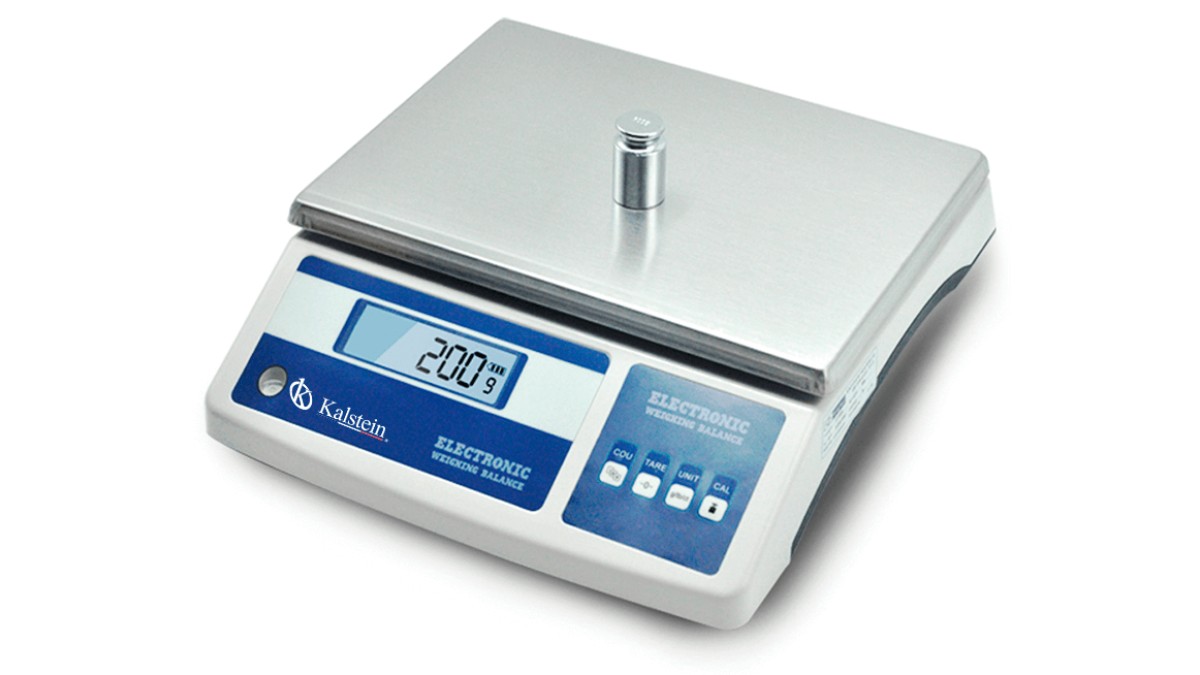
Industrial Balances: Practical Applications and Techniques 2026
Industrial balances are vital tools in laboratory settings, providing precision and reliability for various weighing tasks. In this article, we will explore their applications, historical evolution, step-by-step usage, best practices, and much more.
What is it used for in 2026
In 2026, industrial balances are used widely in clinical laboratories, manufacturing plants, and research institutions. Their primary applications include:
- Measuring large quantities of samples with high accuracy.
- Conducting quality control processes in manufacturing.
- Research applications where precise measurements are crucial.
- Assisting in compliance with industry regulations.
History and evolution of the technology
The evolution of industrial balances dates back to ancient times with the invention of the simple beam balance. Over the years, technological advancements have led to the digitalization of balances, enhancing their precision, usability, and features. Modern industrial balances now include functionalities like overload alarms, unit conversion, and connectivity options, making them indispensable in contemporary laboratories.
How to use it step by step
Here is a step-by-step guide on how to use industrial balances effectively:
- Calibration: Ensure the balance is calibrated according to the manufacturer's instructions before use.
- Setting up: Place the balance on a stable, level surface away from drafts and vibrations.
- Taring: Use the tare function to zero the balance with the container before adding the sample.
- Weighing: Carefully add the sample to the container and wait for the reading to stabilize.
- Recording: Note the weight displayed and repeat as necessary for accuracy.
Best techniques and protocols
To achieve the best results with industrial balances, adhere to the following techniques and protocols:
- Always calibrate balances regularly and before significant weighing tasks.
- Use consistent container types for weighing to minimize variability.
- Conduct weighing in controlled environments to prevent external factors from affecting measurements.
- Document all weighing processes to maintain records for quality assurance.
Practical applications by laboratory type
Various laboratories utilize industrial balances for specific purposes:
- Clinical Laboratories: Used for weighing samples for blood tests and chemical analysis.
- Pharmaceutical Laboratories: Essential in the formulation of drugs and compounds.
- Manufacturing: Employed in quality control to ensure product consistency and compliance.
Regulations, standards and certifications
Industrial balances must comply with several regulations and standards such as:
- ISO/IEC 17025 for testing and calibration laboratories.
- FDA regulations for pharmaceutical weighing processes.
- National Institute of Standards and Technology (NIST) guidelines for accuracy and reliability.
Comparison with alternative technologies
While industrial balances are crucial, other technologies exist that can complement their use:
- Analytical balances: Offer higher precision for smaller sample sizes.
- Load cells: Used in industrial scales for heavy-duty applications.
- Dynamic scales: Ideal for weighing moving objects, such as conveyor belt systems.
Comparison of available models
| Model | Best for | Key specs | Recommended use case |
|---|---|---|---|
| YR05606 | General laboratory use | Capacity: 11kg, Readability: 1g | Ideal for routine weighing tasks. |
| YR05607 | General laboratory use | Capacity: 16kg, Readability: 1g | Suitable for heavier samples. |
| YR05608 | General laboratory use | Capacity: 21kg, Readability: 1g | Perfect for bulk materials weighing. |
| YR05609 | General laboratory use | Capacity: 31kg, Readability: 1g | Great for large samples. |
| YR05610 | Precise weighing | Capacity: 5.1kg, Readability: 0.1g | Best for applications needing high precision. |
| YR05611 | Precise weighing | Capacity: 11kg, Readability: 0.1g | Excellent for detailed laboratory work. |
| YR05612 | Precise weighing | Capacity: 16kg, Readability: 0.1g | Used for quality control in manufacturing. |
| YR05613 | Precise weighing | Capacity: 21kg, Readability: 0.1g | Best for pharmaceutical applications. |
| YR05614 | Precise weighing | Capacity: 26kg, Readability: 0.1g | Suitable for heavy-duty tasks. |
Common mistakes and how to avoid them
Here are some common mistakes when using industrial balances and how to avoid them:
- Not calibrating: Always calibrate before use to ensure accuracy.
- Incorrect taring: Make sure to tare the balance with the container before weighing.
- Ignoring environmental factors: Weigh in a stable environment to avoid fluctuations.
Maintenance, calibration and good practices 2026
Maintaining industrial balances requires:
- Regular calibration every few months.
- Cleaning the balance after each use to avoid contamination.
- Checking the balance for any mechanical issues, replacing parts as necessary.
Cost-benefit analysis 2026
Investing in industrial balances can yield significant benefits:
- Accuracy: Reduces errors in measurements, enhancing quality control.
- Efficiency: Streamlines laboratory workflows.
- Compliance: Meets regulatory requirements, avoiding potential fines.
Frequently asked questions
What should I consider when choosing an industrial balance?
Consider the balance's capacity, readability, and specific laboratory applications to match your needs.
How can I ensure the accuracy of my industrial balance?
Regularly calibrate your balance and perform routine checks to verify its accuracy.
What is the best practice for weighing samples?
Use consistent containers, tare the balance accurately, and conduct weighing in a controlled environment.
How often should industrial balances be calibrated?
Balances should be calibrated every few months or before significant weighing tasks, depending on usage frequency.
What are the common types of errors in weighing?
Common errors include neglecting calibration, improper taring, and external environmental disruptions.
What maintenance does an industrial balance require?
Balancing requires regular calibration, cleaning, and mechanical inspections for optimal performance.
Where can I find quality industrial balances for my laboratory?
Request a quote for high-quality industrial balances that meet your laboratory’s needs.
If you are looking for a fusion of innovation and quality, you have come to the right place. At Kalstein, we offer you the luxury of exploring our exclusive catalog of laboratory equipment. We manufacture every device to the highest standards of excellence. Our intuitive and seamless online purchasing channels are designed for your convenience, securing the most competitive prices. Hesitate no longer — we bring science to life, it is time to become part of our community.