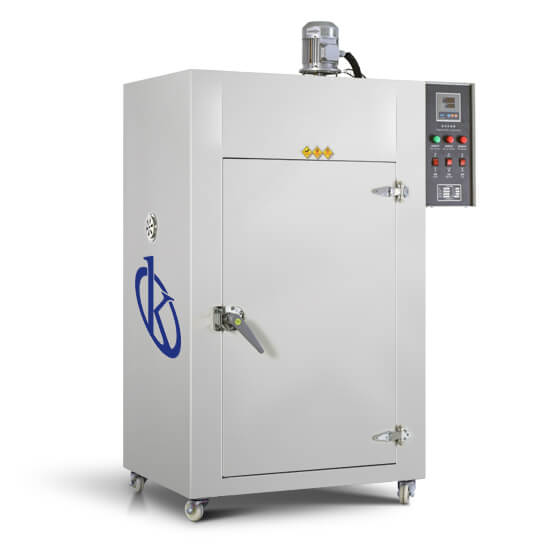
Industrial Ovens: Best Techniques and Protocols in 2026
What is it used for in 2026
In 2026, industrial ovens are pivotal in various industries, including electronics, metallurgy, and pharmaceuticals. With enhanced precision and efficiency, these ovens are ideal for drying, heating, and baking materials. They are designed to handle bulk processing, ensuring uniform heat distribution which is critical for achieving desired product qualities.
History and evolution of the technology
The evolution of industrial ovens has seen significant advancements since their inception. Originally, these ovens were simple structures relying on direct heat. The introduction of electric heating elements revolutionized the industry, providing better temperature control and efficiency. Over the years, features such as digital displays and microcomputer controls have transformed industrial ovens into sophisticated machines, capable of meeting the growing demands of various sectors.
How to use it step by step
Using an industrial oven involves several crucial steps:
- Preparation: Before starting, ensure the oven is clean and free of any residues from previous uses.
- Loading: Carefully load the materials into the oven, ensuring that the airflow is not obstructed.
- Setting Parameters: Set the desired temperature and time according to the material specifications.
- Monitoring: During the process, monitor the oven’s performance through the digital display, ensuring it maintains the correct settings.
- Cooling: Once the process is complete, allow the materials to cool down safely before unloading.
Best techniques and protocols
To maximize efficiency and product quality when using industrial ovens, consider the following techniques:
- Utilize a calibrated thermometer to verify the oven's temperature accuracy.
- Implement regular maintenance protocols to enhance longevity and performance.
- Document each heating cycle to track performance and troubleshoot any inconsistencies.
Practical applications by laboratory type
Industrial ovens serve various practical applications across different laboratory environments:
- Electronics Labs: Used for drying circuit boards and other electronic components.
- Pharmaceutical Labs: Ideal for sterilizing equipment and drying pharmaceutical products.
- Metallurgy Labs: Employed for heat treatment processes of metals to enhance properties.
Regulations, standards and certifications
In the realm of industrial ovens, adherence to regulations and standards is crucial. Compliance with ISO standards and safety regulations ensures that ovens operate safely and effectively, protecting both workers and the environment. Additionally, obtaining certifications such as CE or UL can also enhance the credibility of the equipment.
Comparison with alternative technologies
When comparing industrial ovens to alternative technologies like microwave drying or infrared heating, several factors stand out:
- Temperature Control: Industrial ovens provide more precise temperature control compared to microwaves.
- Uniform Heating: Ovens offer better uniformity in heating, reducing the risk of hot spots.
- Versatility: Ovens can handle a wider range of materials compared to infrared heaters.
Comparison of available models
| Model | Best for | Key specs | Recommended use case |
|---|---|---|---|
| YR05256-A | Dehydration and drying | 300 liters, 4-6 kW, RT+5 to 250°C | Ideal for batch processing in industrial and mining sectors. |
| YR05257-1-A | Large scale drying | 864 liters, 8-12 kW, RT+5 to 250°C | Suitable for industries with high-volume drying needs. |
| YR05258-SS | Electronics and plating | 300 liters, 4-6 kW, RT+5 to 250°C | Perfect for drying electronic components. |
| YR05259-1-SS | Jewelry and alloys | 864 liters, 8-12 kW, RT+5 to 250°C | Best for drying alloy jewelry pieces. |
Common mistakes and how to avoid them
To ensure optimal performance and prevent issues when using industrial ovens, avoid these common mistakes:
- Overloading the oven, which can restrict airflow and cause uneven heating.
- Neglecting regular maintenance, leading to equipment malfunction.
- Failing to calibrate the temperature settings, resulting in inaccurate heating.
Maintenance, calibration and good practices 2026
In 2026, maintaining industrial ovens is crucial for optimal performance. Regular calibration of temperature sensors, cleaning of heating elements, and inspection of door seals should be part of a routine maintenance schedule. Utilizing checklists for preventive maintenance can help ensure all necessary tasks are completed, enhancing the lifespan of the equipment.
Cost-benefit analysis 2026
When evaluating the cost-benefit ratio of industrial ovens in 2026, consider the initial investment, operational costs, and potential productivity gains. Although the upfront cost may be significant, the efficiency and capability of modern ovens can lead to substantial savings in labor and energy in the long run.
Frequently asked questions
What should I consider when choosing an industrial oven?
When selecting an industrial oven, consider factors such as the volume of materials to be processed, temperature requirements, and the specific applications within your industry. It’s also essential to evaluate energy efficiency and available features.
How often should I perform maintenance on the oven?
Regular maintenance should be conducted at least once a month, with more frequent checks for high-use applications. Ensure that the heating elements, temperature sensors, and other critical components are examined regularly.
Can I use different materials in the same oven?
Using different materials in the same oven is possible, but it is crucial to ensure that their heating requirements are compatible. Always verify that residues from previous materials will not contaminate new ones.
What are the key indicators of oven performance?
Key performance indicators include temperature accuracy, heating uniformity, energy consumption, and the ability to maintain temperature over extended periods. Monitoring these factors can help optimize oven usage.
How can I ensure uniform heat distribution?
To achieve uniform heat distribution, avoid overloading the oven and ensure that airflow is not obstructed. Regularly calibrate the oven to monitor performance and adjust settings as necessary.
What should I do if the oven is not heating properly?
If the oven is not heating properly, first check the power supply and ensure that the settings are correctly configured. If problems persist, consult the manufacturer's guidelines for troubleshooting or contact a technician.
If you are looking for a fusion of innovation and quality, you have come to the right place. At Kalstein, we offer you the luxury of exploring our exclusive catalog of laboratory equipment. We manufacture every device to the highest standards of excellence. Our intuitive and seamless online purchasing channels are designed for your convenience, securing the most competitive prices. Hesitate no longer — we bring science to life, it is time to become part of our community.