How to Integrate Analytical Balances with LIMS for Data Digitization
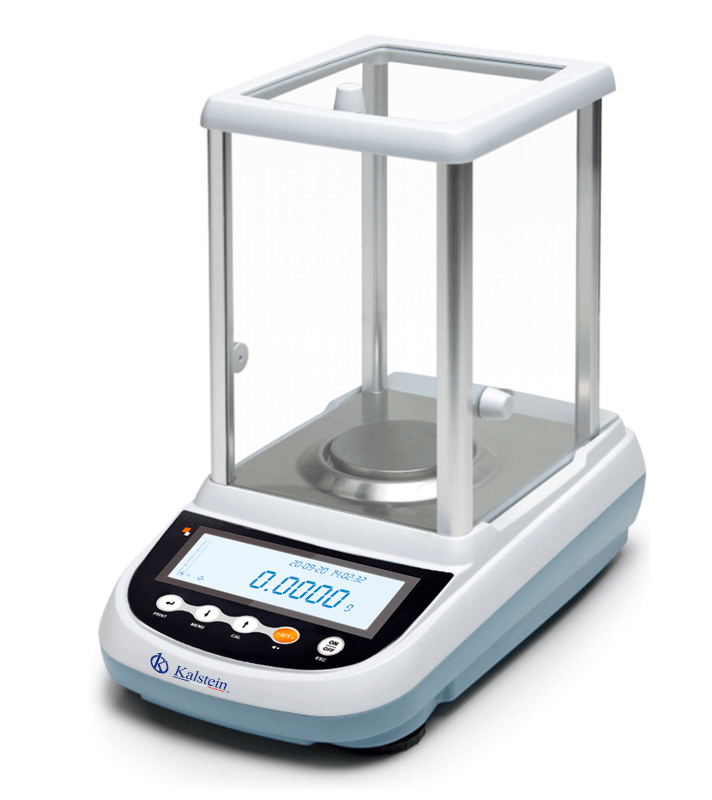
Integration of analytical balances with Laboratory Information Management Systems (LIMS) is essential for enhancing laboratory data flow and ensuring compliance with various regulatory standards. This article discusses the integration process, implications for data digitization, and specific models such as the YR05568, YR05569, YR05570, YR05571, YR05572, and YR05573. By focusing on how these analytical balances can interface with LIMS, lab professionals can maximize efficiency and accuracy in data management.
Understanding the Importance of LIMS Integration
In modern laboratories, the need for accurate and real-time data processing has never been greater. The integration of analytical balances with LIMS facilitates the seamless transfer of measurement data, reducing the chances of human error and ensuring that data is stored securely. Moreover, integrating balances allows laboratories to automate workflows, enhancing productivity and minimizing manual data entry.
Key Benefits of Integrating Analytical Balances with LIMS
1. **Automation**: The integration allows automatic data transfer from balances to LIMS, reducing manual tasks and potential errors.
2. **Real-time Monitoring**: Lab managers can monitor weight measurements in real-time, providing immediate access to data for decision-making.
3. **Compliance**: Integration helps maintain compliance with ISO 17025 standards through automated recording and traceability of measurements.
4. **Improved Data Accuracy**: Automated data capture significantly reduces the risk of transcription errors inherent in manual data entry.
Models of Analytical Balances and Their LIMS Capabilities
Below is a comparison of various analytical balances focusing on their capabilities to integrate with LIMS:
| Model | Connectivity | Protocols Supported | Integration Effort | Best For |
|---|---|---|---|---|
| YR05568 | RS232 | HL7, ASTM | Low | Routine laboratory use |
| YR05569 | RS232 | HL7, ASTM | Low | Quality control labs |
| YR05570 | RS232 | HL7, ASTM | Moderate | Research applications |
| YR05571 | RS232 / USB | HL7, ASTM, custom | Moderate | Complex workflows |
| YR05572 | RS232 | HL7, ASTM | Low | General laboratory use |
| YR05573 | RS232 / USB | HL7, custom | High | High-precision applications |
Implementation Strategies for LIMS Integration
To successfully integrate analytical balances with LIMS, consider the following strategies:
1. **Assessment of Current Infrastructure**: Ensure that your existing LIMS can support the integration. Evaluate the protocols used by your analytical balances.
2. **Data Mapping**: Identify how data will be transferred between the balance and LIMS. Ensure that the measurement parameters align with the LIMS database structure.
3. **Testing and Validation**: Conduct thorough testing to ensure that data is accurately transmitted and that the system functions as intended. Validate compliance with ISO 17025 standards during this phase.
4. **Training Staff**: Provide training for lab personnel on how to utilize the new integrated system effectively. Ensuring that staff understands both the balances and the LIMS is crucial for seamless operation.
Common Mistakes and How to Avoid Them
1. **Underestimating Integration Complexity**: Integration can be complex; ensure you allocate enough time and resources for a successful implementation.
2. **Neglecting Data Security**: Always prioritize data security during integration to prevent potential breaches and ensure compliance with relevant regulations.
3. **Inadequate Testing**: Failing to conduct adequate testing can lead to significant issues post-implementation. Always validate the system before full deployment.
4. **Ignoring User Feedback**: Post-implementation feedback from users can uncover issues or potential improvements that may enhance efficiency.
Frequently Asked Questions
What are the benefits of LIMS integration for analytical balances in laboratories?
Integrating analytical balances like YR05568 with LIMS enhances accuracy, automation, and compliance with standards like ISO 17025. This leads to reduced manual errors and improved data integrity. Laboratories can significantly streamline their workflows by implementing such integrations.
How much does it cost to integrate analytical balances with a LIMS system?
The costs can vary significantly based on the complexity of the integration. Basic models like YR05569 may require minimal investment for integration, while advanced setups could involve higher costs. It's essential to get quotes specific to your laboratory setup.
Which protocols are commonly supported for integrating analytical balances with LIMS?
Protocols such as HL7 and ASTM are commonly supported for integration of analytical balances like YR05572 with LIMS. This compatibility ensures smooth data transfer and compliance with industry standards.
How do I ensure compliance with ISO 17025 while using analytical balances?
To ensure compliance with ISO 17025 using models like YR05570, implement a strict calibration schedule, maintain proper records, and ensure integration with LIMS for accurate data tracking and reporting.
What are the common challenges faced during LIMS integration for analytical balances?
Common challenges include data security issues, complexity of integration, and the need for user training. Address these early in the integration process for a smoother transition.
Which analytical balance model is best for high-precision applications with LIMS?
The YR05573 is ideal for high-precision applications when integrated with LIMS, offering extensive capabilities and detailed data management features, making it suitable for demanding laboratory environments.
How can I optimize the performance of analytical balances through LIMS integration?
By utilizing analytical balances like YR05571 and implementing robust integration strategies, laboratories can automate data capture processes, improve accuracy, and enhance overall workflow efficiency.
What additional equipment is needed for a fully integrated analytical balance system?
A robust LIMS software compatible with your analytical balances is essential. Models like YR05572 may also require additional peripherals, such as computers or printers, to complete the data management system effectively.
If you are looking for a fusion of innovation and quality, you have come to the right place. At Kalstein, we offer you the luxury of exploring our exclusive catalog of laboratory equipment. We manufacture every device to the highest standards of excellence. Our intuitive and seamless online purchasing channels are designed for your convenience, securing the most competitive prices. Hesitate no longer — we bring science to life, it is time to become part of our community.