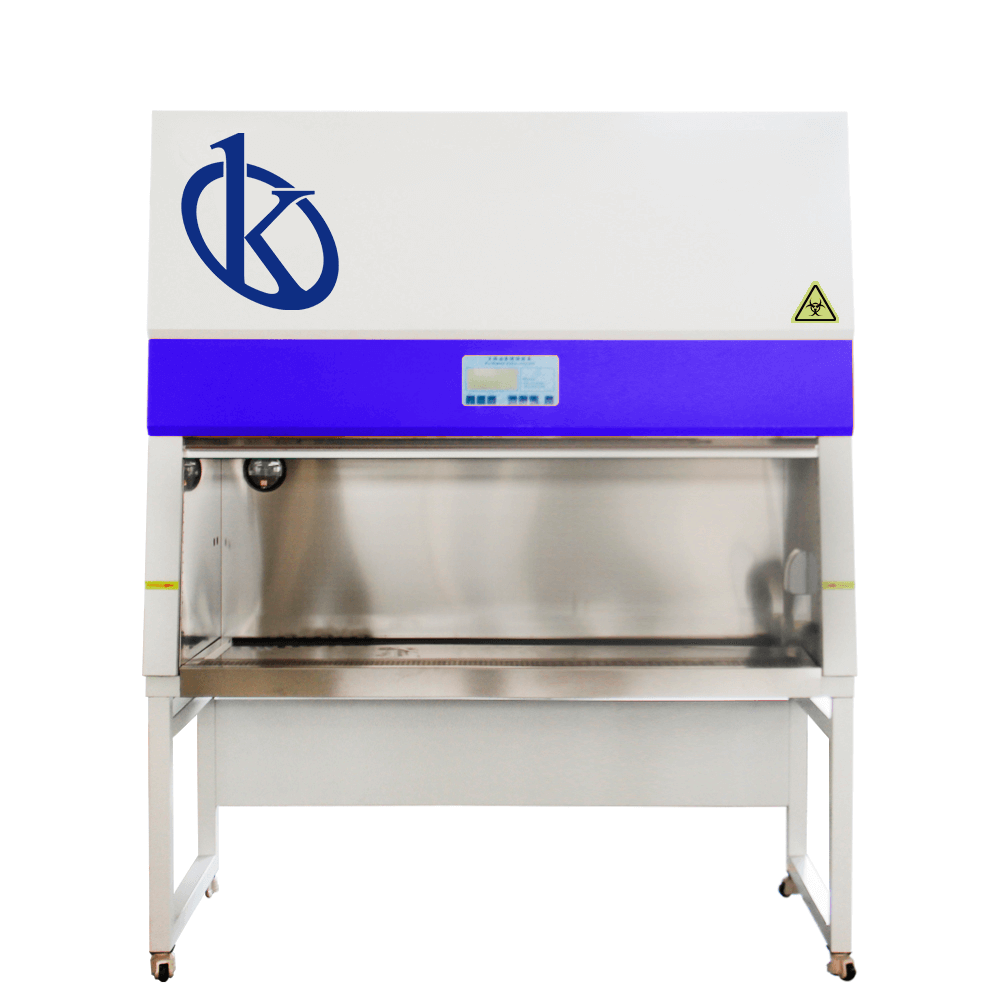
How to Integrate Class II Biosafety Cabinets with LIMS for Enhanced Data Management?
In modern laboratory settings, the integration of Class II Biosafety Cabinets with Laboratory Information Management Systems (LIMS) is becoming a critical component for enhancing data flow and ensuring compliance. This integration ensures that laboratories can manage sample data efficiently while maintaining safety protocols. Class II Biosafety Cabinets are essential for protecting laboratory personnel and the environment from biohazardous materials. In this article, we will delve into the specifics of various models, their application in laboratory settings, and the importance of LIMS integration.
Understanding Class II Biosafety Cabinets and their Role in Laboratories
Class II Biosafety Cabinets provide an enclosed workspace designed to protect the user, the environment, and the material being handled. These cabinets utilize laminar airflow and HEPA filters to ensure that airborne contaminants do not compromise the integrity of experiments. The integration of these cabinets with LIMS creates a streamlined process that improves data management, compliance, and laboratory efficiency.
Benefits of LIMS Integration with Class II Biosafety Cabinets
Integrating Class II Biosafety Cabinets with LIMS offers several advantages:
- Enhanced Data Management: LIMS allows for real-time tracking of samples and results, ensuring accurate data collection.
- Improved Compliance: Integration helps in adhering to regulatory standards by automating documentation and reporting.
- Increased Efficiency: Laboratories can optimize workflows, reducing the time spent on manual data entry and tracking.
Key Specifications of Class II Biosafety Cabinets Covered
We will be evaluating the following models of Class II Biosafety Cabinets:
| Model | Description | Best For |
|---|---|---|
| YR05704 | Features a vertical laminar airflow system with 100% exhaust. | General microbiological work. |
| YR05705 | Offers efficient airflow control, ideal for various biological processes. | Pathogen handling and tissue culture. |
| YR05706 | Designed for high-throughput applications with rapid changeover times. | High-volume laboratories. |
| YR0090-A | Compact model suitable for smaller lab environments. | Research laboratories with space constraints. |
| YR05270 | Equipped with advanced HEPA filters for maximum safety. | Clinical diagnostics and research. |
| YR05271 | Features enhanced controls for airflow and contamination management. | High-risk biological research. |
Comparison of Available Models
| Model Code | Airflow Efficiency | Best Application | Integration Features |
|---|---|---|---|
| YR05704 | Class 100 | Microbiology | Easy LIMS connectivity |
| YR05705 | Class 100 | Tissue cultures | Supports data logging |
| YR05706 | Class 100 | High-throughput labs | Automated reporting |
| YR0090-A | Class 100 | Compact applications | Basic integration |
| YR05270 | ISO 14644.1 Class 5 | Clinical diagnostics | Advanced LIMS compatibility |
| YR05271 | ISO 14644.1 Class 5 | High-risk research | Full data integration |
Common Mistakes and How to Avoid Them
When integrating Class II Biosafety Cabinets with LIMS, laboratories often encounter common pitfalls:
- Neglecting to map workflows: It’s essential to clearly outline how data will flow between the cabinet and the LIMS.
- Overlooking user training: Ensure all users are adequately trained on both the cabinet and the LIMS for optimal functioning.
- Insufficient testing: Conduct thorough tests of the integration process before full implementation.
Enhancing Productivity Through LIMS Integration
Integrating Class II Biosafety Cabinets with LIMS not only ensures safety but also enhances laboratory productivity. Automation of data collection and integration significantly reduces the chances of human error, thus increasing overall efficiency. This is particularly vital in high-throughput laboratories where time and accuracy are crucial.
FAQs
How does LIMS integration improve the efficiency of Class II Biosafety Cabinets?
LIMS integration enhances efficiency by automating data entry and tracking, reducing manual processes. For instance, the YR05706 model allows for rapid data logging, ensuring faster processing times in high-throughput environments.
What features should I look for in a Class II Biosafety Cabinet for LIMS integration?
Look for models that offer seamless connectivity and data logging capabilities. The YR05271, for example, provides full data integration features, making it suitable for complex laboratory setups.
Which Class II Biosafety Cabinet model is best for clinical diagnostics?
The YR05270 model is specifically designed for clinical diagnostics, featuring ISO 14644.1 Class 5 standards, which enhances safety and compliance during laboratory operations.
What are the compliance standards for Class II Biosafety Cabinets?
Class II Biosafety Cabinets must comply with standards such as ISO 14644.1, ensuring cleanliness and safety. The YR05271 model meets these standards, making it ideal for high-risk biological research.
How can I ensure successful integration of my Class II Biosafety Cabinet with LIMS?
Successful integration requires mapping workflows, adequate user training, and thorough testing of the cabinet and LIMS. Models like the YR05705 facilitate straightforward integration, ensuring smooth data flow.
What is the expected lifespan of a Class II Biosafety Cabinet?
Typically, a Class II Biosafety Cabinet can last between 10 to 15 years, depending on usage and maintenance. Regular calibration and adherence to safety standards are crucial for longevity.
How do I choose the right Class II Biosafety Cabinet for my laboratory?
Consider factors such as laboratory size, intended use, and integration capabilities. The YR0090-A is ideal for laboratories with limited space but still requires reliable performance.
What are the key maintenance requirements for Class II Biosafety Cabinets?
Key maintenance includes regular filter changes, calibration checks, and thorough cleaning protocols. Ensuring these practices can prolong the lifespan and efficiency of models like the YR05704.
If you are looking for a fusion of innovation and quality, you have come to the right place. At Kalstein, we offer you the luxury of exploring our exclusive catalog of laboratory equipment. We manufacture every device to the highest standards of excellence. Our intuitive and seamless online purchasing channels are designed for your convenience, securing the most competitive prices. Hesitate no longer — we bring science to life, it is time to become part of our community.