How to Integrate Combined Freezers with LIMS for Enhanced Data Management
In today’s laboratory environments, efficient data management is crucial, particularly in the context of temperature-sensitive materials. Combined freezers play a pivotal role in preserving biological samples, pharmaceuticals, and other sensitive materials that require strict temperature controls. Integrating these freezers with Laboratory Information Management Systems (LIMS) not only enhances data handling but also ensures compliance with regulatory standards. This article delves into the specifics of how combined freezers can be effectively integrated with LIMS, improving workflow and data accuracy.
Understanding Combined Freezers and Their Role in Laboratories
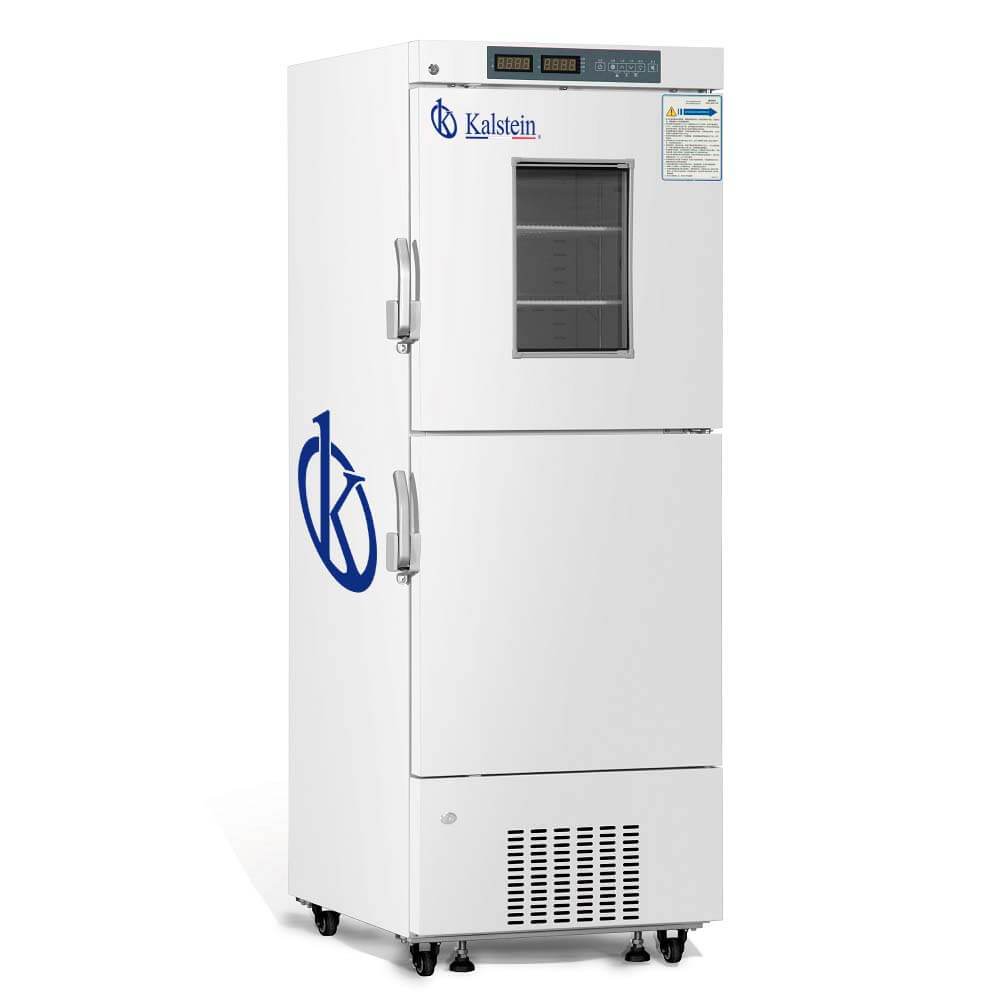
Combined freezers, such as the models YR05320, YR05321, and YR05321-1, are designed to maintain two distinct temperature zones, which is essential for laboratories managing varying types of samples. The YR05320 model, for instance, is best known for its dual cooling systems, allowing it to handle plasma and blood samples efficiently. Meanwhile, the YR05321 series features an independent cooling system for both its upper and lower compartments, offering flexibility and precision in temperature management.
In the context of LIMS integration, these devices must be capable of real-time data exchange to facilitate improved tracking and monitoring of sample conditions. By connecting combined freezers to LIMS, laboratories can automate data logging, reducing manual entries and potential errors, thus streamlining their operations.
Benefits of LIMS Integration with Combined Freezers
Integrating combined freezers with LIMS provides a range of benefits that enhance both operational efficiency and compliance. Here are some critical advantages:
- Real-time Monitoring: Continuous monitoring of the temperature ensures compliance with storage standards for sensitive materials.
- Data Accuracy: Automation minimizes human error in data entry, ensuring that the records are precise and reliable.
- Audit Readiness: Seamless data retention makes laboratories better prepared for audits and inspections by regulatory bodies.
- Improved Workflow: Streamlines processes like sample tracking, inventory management, and temperature logging, allowing laboratory personnel to focus on critical tasks.
Key Features of Combined Freezers for LIMS Integration
When considering combined freezers for LIMS integration, it's essential to understand their key features that support this functionality. Here are some significant aspects to consider:
Dual Cooling Systems
Models like the YR05321 and YR05321-1 offer dual cooling systems, allowing separate temperature settings for two compartments. This feature not only enables customization based on the sample type but also facilitates more precise integration with LIMS as each compartment’s conditions can be monitored and adjusted independently.
Data Connectivity
Combined freezers need to support various connectivity protocols like HL7 and ASTM for effective integration with LIMS. Ensuring compatibility with these protocols is essential for seamless data exchange, allowing for rapid updates and accurate reporting.
Temperature Control Features
Advanced temperature control mechanisms, such as those found in YR05320, allow for consistent and reliable temperature management, which is critical for maintaining the integrity of stored samples. These features should align with the requirements of your chosen LIMS.
Comparison of Available Models
| Model | Temperature Range | Cooling System | Connectivity | Best For |
|---|---|---|---|---|
| YR05320 | -20°C to -40°C (F) / 2°C to 8°C (R) | Dual Cooling | Compatible with LIMS | Plasma and Blood Storage |
| YR05321 | -10°C to -25°C (F) / 2°C to 8°C (R) | Independent Cooling | Supports HL7, ASTM | General Laboratory Use |
| YR05321-1 | -10°C to -25°C (F) / 2°C to 8°C (R) | Independent Cooling | Supports LIMS Integration | Blood Transfusion Centers |
Common Mistakes and How to Avoid Them
When integrating combined freezers with LIMS, several common pitfalls can arise. Here are some mistakes to watch out for and tips on how to avoid them:
- Neglecting Compatibility: Ensure that the chosen freezer model is compatible with your existing LIMS. Always verify connectivity protocols.
- Overlooking Calibration Needs: Regularly calibrate both the freezers and LIMS to ensure data accuracy. Establish a consistent schedule for checks.
- Ignoring User Training: Provide adequate training for laboratory personnel on the integrated system to maximize efficiency and minimize errors.
Frequently Asked Questions
How can I ensure LIMS integration with my combined freezer model YR05320?
To ensure LIMS integration with the YR05320 model, verify that your LIMS supports necessary connectivity protocols such as HL7 or ASTM. More importantly, check if the freezer can communicate temperature data in real-time to your LIMS, allowing for accurate monitoring and reporting.
What are the temperature specifications of the YR05321 model for sample storage?
The YR05321 model is designed to maintain temperatures from -10°C to -25°C for the freezer compartment and 2°C to 8°C for the refrigerator compartment. This range is ideal for storing various biological materials and provides flexibility when integrated with LIMS.
Which features of combined freezers support regulatory compliance in laboratories?
Features such as dual cooling systems, accurate temperature control, and real-time data logging support compliance with regulatory standards. For example, the YR05321-1 model's independent cooling systems ensure specific temperature ranges for sensitive samples, aiding in adherence to guidelines.
How does the integration of LIMS with combined freezers improve data management?
Integrating LIMS with combined freezers enhances data management by allowing for automatic data collection, real-time monitoring, and accurate record-keeping. This eliminates manual entries, reducing errors and ensuring compliance with storage standards for sensitive materials.
What is the significance of having dual cooling systems in combined freezers?
Dual cooling systems, like those in the YR05321 model, allow for separate temperature settings for different compartments, enhancing operational flexibility. This feature is particularly beneficial for laboratories that manage diverse sample types, ensuring optimal storage conditions.
How often should the combined freezer’s temperature be checked when connected to LIMS?
The temperature of combined freezers should be monitored continuously when integrated with LIMS. However, manual checks should be done daily, and regular calibration should occur quarterly to confirm the accuracy of readings and ensure compliance.
What challenges may arise during LIMS integration with combined freezers?
Challenges during integration can include compatibility issues with existing systems, inadequate staff training, and the need for regular calibration. To mitigate these challenges, ensure proper planning and consultation with your LIMS provider before implementation.
How much does a combined freezer integrated with LIMS typically cost?
The cost of combined freezers varies based on features and technology. For instance, the YR05320 is priced at approximately $1415, and while integration costs may vary, budgeting for around $2000 total is advisable, factoring in both equipment and setup costs.
If you are looking for a fusion of innovation and quality, you have come to the right place. At Kalstein, we offer you the luxury of exploring our exclusive catalog of laboratory equipment. We manufacture every device to the highest standards of excellence. Our intuitive and seamless online purchasing channels are designed for your convenience, securing the most competitive prices. Hesitate no longer — we bring science to life, it is time to become part of our community.