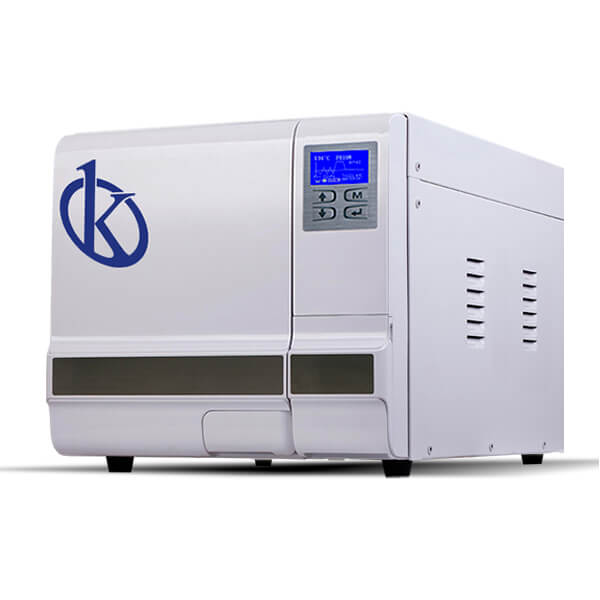
How to Integrate Horizontal Autoclaves with LIMS for Enhanced Data Workflow
Integration of laboratory instruments with Lab Information Management Systems (LIMS) is becoming increasingly important for laboratories seeking to improve data flow and operational efficiency. This article will explore how horizontal autoclaves can be effectively integrated with LIMS to streamline data management, ensure compliance with regulations, and ultimately enhance laboratory productivity.
Understanding Horizontal Autoclaves and Their Role in Data Management
Horizontal autoclaves, specifically models like the Class B Table Autoclave YR03387 and YR03389, are essential in sterilization processes across various laboratory settings, including medical and veterinary practices. These devices utilize advanced techniques to control pressure and temperature precisely, ensuring thorough sterilization of instruments. As laboratories begin to prioritize digitalization, the connection between these autoclaves and LIMS plays a crucial role in maintaining compliance and optimizing workflows.
Benefits of LIMS Integration with Horizontal Autoclaves
Integrating horizontal autoclaves with LIMS offers multiple advantages. This includes real-time data tracking, automated record-keeping, and enhanced compliance with sterilization standards such as EN13060. For instance, the Class B Table Autoclave YR03388 can be connected to a LIMS to provide instant access to sterilization cycle data, reducing human error and promoting traceability.
Key Features for Successful Integration
Successful integration of horizontal autoclaves with LIMS relies on specific features, including:
- Connectivity Protocols: Ensure compatibility with protocols like HL7, ASTM, and REST.
- Data Sharing Capability: Facilitate bidirectional data flow between the autoclave and LIMS.
- User-Friendly Interfaces: Simplify the operation for laboratory personnel.
For example, the Class B Table Autoclave YR03390 supports advanced data management to ensure that all sterilization cycles are documented accurately.
Challenges in Integrating Horizontal Autoclaves with LIMS
While integrating horizontal autoclaves with LIMS provides benefits, challenges exist. These may include compatibility issues, training requirements for staff, and initial setup costs. Overcoming these hurdles often requires a thorough assessment of existing workflows and potential integrations.
Integration Architecture: A Step-by-Step Guide
Establishing a successful integration between horizontal autoclaves and LIMS involves several steps:
- Assessment of Needs: Identify what data needs to be captured from the autoclave.
- Choosing the Right Software: Select a LIMS that supports the necessary protocols.
- System Configuration: Set up hardware and software to enable communication.
- Testing: Conduct tests to ensure data flows correctly.
- Training: Provide comprehensive training to laboratory staff.
Comparison of Available Models
| Model | Volume (Liters) | Chamber Dimensions | Weight (Kg) | Price (USD) | Best For |
|---|---|---|---|---|---|
| YR03387 | 8 | Φ170 x 320 mm | 50 | 750.00 | Small laboratories |
| YR03388 | 12 | Φ170 x 320 mm | 53 | 835.00 | Beauty salons |
| YR03389 | 18 | Φ247 x 350 mm | 53 | 900.00 | Veterinary clinics |
| YR03390 | 23 | Φ247 x 450 mm | 53 | 1000.00 | Laboratories with high volume needs |
| YR03385C | 29 | Φ319 x 417 mm | 95 | 2350.00 | Medium-sized labs |
| YR03385B | 45 | Φ319 x 617 mm | 115 | 2800.00 | Large laboratories |
Common Mistakes and How to Avoid Them
When integrating horizontal autoclaves with LIMS, common mistakes include:
- Neglecting to involve IT early in the process.
- Underestimating the importance of user training.
- Failing to ensure compatibility between systems.
To avoid these pitfalls, laboratories should have a detailed integration plan, involve all relevant stakeholders, and prioritize thorough training for all users.
Frequently Asked Questions
How can I ensure compliance with EN13060 using a horizontal autoclave?
Ensuring compliance with EN13060 involves selecting models like the Class B Table Autoclave YR03387, which meets European standards. Regular calibration and maintenance, along with LIMS integration for record keeping, help maintain compliance effortlessly.
What are the key advantages of LIMS integration for sterilization data management?
The integration of LIMS with horizontal autoclaves, like the Class B Table Autoclave YR03389, allows for real-time data tracking and automated documentation, minimizing the risk of human error and ensuring compliance with industry standards.
Which connectivity protocols are essential for integrating autoclaves with LIMS?
Key connectivity protocols for integration include HL7 and ASTM. Models such as the Class B Table Autoclave YR03390 often support these protocols, ensuring seamless data exchange and operational efficiency.
How does LIMS improve the efficiency of sterilization processes in laboratories?
LIMS enhances sterilization efficiency by automating documentation and tracking sterilization cycles. For instance, connecting the Class B Table Autoclave YR03388 with LIMS improves workflows and reduces manual data entry errors.
What training is required for staff to use LIMS-integrated horizontal autoclaves?
Staff should undergo training that covers LIMS functionality, autoclave operation, and data management protocols. Training on units like the Class B Table Autoclave YR03387 ensures users understand how to manage data effectively.
How often should calibration be performed on horizontal autoclaves?
Calibration should be performed regularly, typically every six months, to ensure accuracy. Integrating with LIMS can help schedule and document these calibrations for models like the Class B Table Autoclave YR03390.
What are the costs associated with integrating a horizontal autoclave with LIMS?
The costs of integration can vary based on the model and complexity of the LIMS. For instance, integrating the Class B Table Autoclave YR03385B may cost more due to its advanced features but ultimately lead to savings through reduced errors.
If you are looking for a fusion of innovation and quality, you have come to the right place. At Kalstein, we offer you the luxury of exploring our exclusive catalog of laboratory equipment. We manufacture every device to the highest standards of excellence. Our intuitive and seamless online purchasing channels are designed for your convenience, securing the most competitive prices. Hesitate no longer — we bring science to life, it is time to become part of our community.