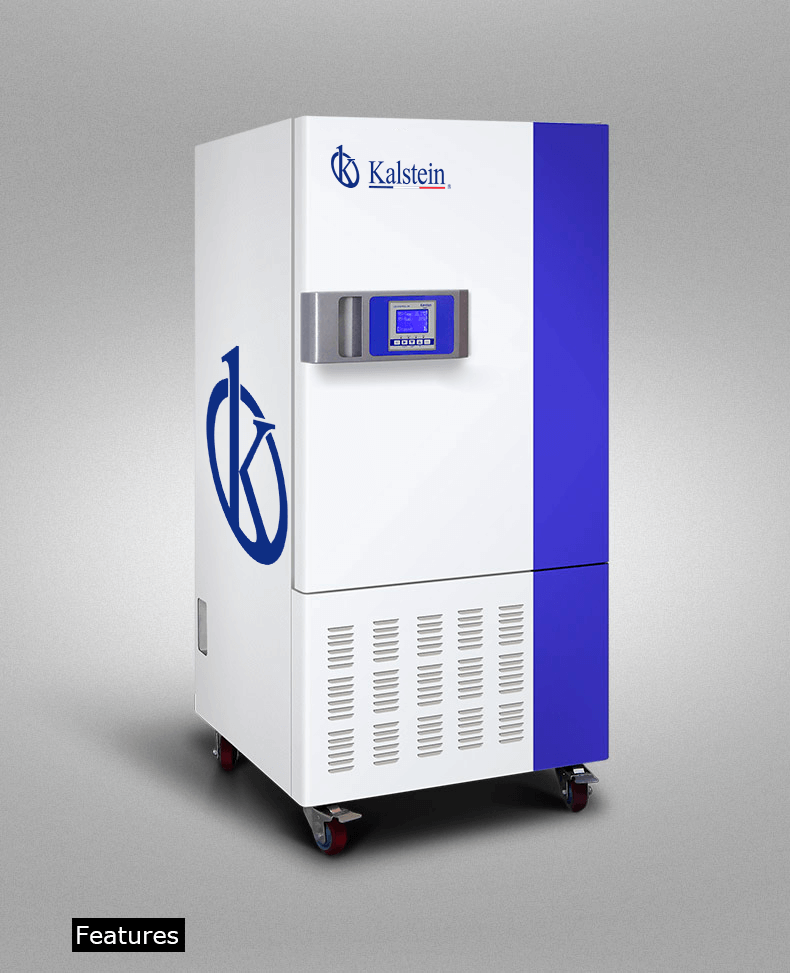
How to Integrate Illumination Drug Stability Test Chambers with LIMS for Data Digitization
In the ever-evolving landscape of pharmaceutical testing, the integration of Illumination Drug Stability Test Chambers with Laboratory Information Management Systems (LIMS) plays a crucial role in data digitization. This article explores the benefits, challenges, and best practices for laboratory professionals looking to enhance their workflows through effective LIMS integration.
Illumination Drug Stability Test Chambers: An Overview
Illumination Drug Stability Test Chambers are specialized devices designed to simulate the conditions under which pharmaceutical products are exposed to light. This allows companies to assess the stability of their products, ensuring they meet regulatory standards and maintain efficacy. The Strong Lighting Stability Test Chamber models YR05353, YR05353-1, and YR05353-2 are prime examples of such equipment, each offering unique features tailored for different testing scenarios.
Benefits of LIMS Integration in Drug Stability Testing
Integrating LIMS with Illumination Drug Stability Test Chambers provides several advantages, including enhanced data management, improved compliance with regulatory standards, and increased efficiency. Laboratories can automate data capture from tests, ensuring accurate records and minimizing human error. Furthermore, real-time data access allows for quicker decision-making and reduces downtime.
Understanding the Role of Connectivity Protocols
Effective LIMS integration requires understanding the connectivity protocols that facilitate data transfer between the stability test chambers and the LIMS. Common protocols include HL7, ASTM, and RESTful APIs. These protocols ensure seamless data flow and interoperability, allowing laboratories to digitize their workflows efficiently.
Key Features of Strong Lighting Stability Test Chambers
The Strong Lighting Stability Test Chambers, including models YR05353, YR05353-1, and YR05353-2, come equipped with features such as:
- Compressor Technology: Advanced cooling technology ensures consistent temperature control, critical for accurate stability testing.
- Automatic Defrost Function: This feature prevents ice build-up, promoting uninterrupted operation.
- Adjustable Illumination: Provides varying light intensities to simulate different environmental conditions.
Data Digitization and Compliance with Regulatory Standards
Compliance with standards such as ISO 17025 is essential for laboratories conducting drug stability tests. Integrating LIMS aids in maintaining compliance by automating documentation processes and ensuring traceability of results. Each model's performance can be aligned with regulatory requirements, ensuring that laboratories meet industry standards.
Comparison of Available Models
| Model | Temperature Range (°C) | Lighting Range (LX) | Price (USD) | Best for |
|---|---|---|---|---|
| YR05353 | 10~65 (with light) | 0~6000 (five adjustable stages) | 2620.00 | Basic stability testing |
| YR05353-1 | 10~65 (with light) | 0~6000 (five adjustable stages) | 3060.00 | Advanced stability testing |
| YR05353-2 | 10~65 (with light) | 0~6000 (five adjustable stages) | 4200.00 | Comprehensive stability testing |
Common Mistakes and How to Avoid Them
When integrating Illumination Drug Stability Test Chambers with LIMS, laboratories often make common mistakes such as inadequate training for staff, overlooking data security protocols, and failing to perform regular system updates. To avoid these pitfalls, laboratories should invest in comprehensive training programs, implement robust data management policies, and schedule regular system audits to ensure optimal integration performance.
Frequently Asked Questions
How can LIMS integration improve data accuracy in illumination drug stability testing?
LIMS integration enhances data accuracy by automating data capture from illumination drug stability test chambers. This minimizes human error and ensures consistent record-keeping. For example, models like YR05353 can seamlessly transmit temperature and light exposure data to the LIMS, facilitating precise documentation and compliance with standards.
What are the best practices for integrating LIMS with Strong Lighting Stability Test Chambers?
Best practices include selecting compatible connectivity protocols, training staff thoroughly on both LIMS and chamber operations, and regularly updating software to secure data integrity. Models YR05353-1 and YR05353-2 can help streamline data processes, ensuring seamless integration and compliance with regulatory standards.
What compliance standards should laboratories consider when using illumination drug stability test chambers?
Laboratories should ensure compliance with ISO 17025 and other relevant regulations governing pharmaceutical testing. Integrating LIMS with models like YR05353 allows for better documentation and traceability, crucial for upholding these standards.
How do Strong Lighting Stability Test Chambers support environmental sustainability?
Strong Lighting Stability Test Chambers, particularly model YR05353, are designed with energy-efficient features such as automatic defrosting and advanced compressor technology, reducing their environmental impact. Integrating these chambers with LIMS allows for better monitoring of energy consumption and sustainability metrics.
What role does automation play in improving laboratory efficiency with LIMS?
Automation in LIMS integration helps laboratories streamline workflows and reduce the time spent on data entry and management. For instance, automatic data logging from models like YR05353-2 allows for quicker response times and enhanced efficiency in drug stability testing.
Which Strong Lighting Stability Test Chamber model is best for large pharmaceutical companies?
For large pharmaceutical companies, model YR05353-2 is recommended due to its comprehensive features and higher capacity for extensive testing. This model, alongside a robust LIMS integration, can handle the complex requirements of large-scale drug stability testing.
How does LIMS integration impact the reproducibility of drug stability testing results?
LIMS integration impacts reproducibility by providing a centralized database for all testing results. This ensures consistent methodology and documentation across testing sessions. Using models such as YR05353 enhances the reliability of results, crucial for regulatory submissions.
What are the cost implications of integrating LIMS with drug stability test chambers?
The initial integration of LIMS can lead to increased upfront costs; however, the long-term savings through improved efficiency and reduced errors can offset these costs. Models like YR05353-1 demonstrate significant ROI through reduced labor hours and enhanced compliance tracking.
If you are looking for a fusion of innovation and quality, you have come to the right place. At Kalstein, we offer you the luxury of exploring our exclusive catalog of laboratory equipment. We manufacture every device to the highest standards of excellence. Our intuitive and seamless online purchasing channels are designed for your convenience, securing the most competitive prices. Hesitate no longer — we bring science to life, it is time to become part of our community.