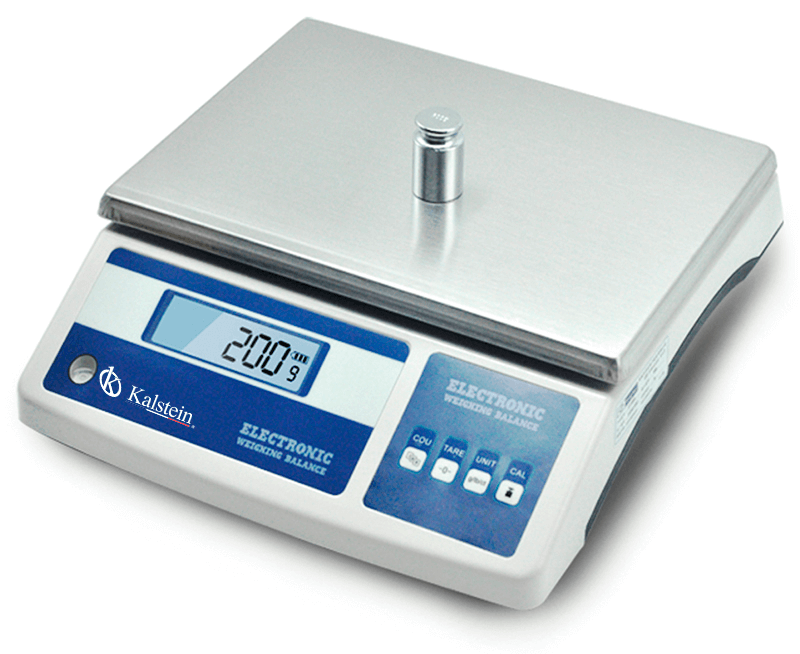
How to Integrate Industrial Balances with LIMS for Enhanced Data Flow
In laboratory settings, the integration of industrial balances with Laboratory Information Management Systems (LIMS) is pivotal for optimizing data flow and operational efficiency. This article explores the advantages and methodologies for achieving seamless connectivity between various industrial balance models and LIMS solutions. By examining practical applications and technicalities, laboratory professionals can enhance their workflows and improve data management.
Understanding the Importance of LIMS Integration
LIMS integration plays a crucial role in the modern laboratory environment, streamlining the management of samples, data, and workflows. Particularly for industrial balances, which are vital in weighing applications across various industries, integration with LIMS ensures that data is captured accurately and in real-time. This capability minimizes human error, enhances traceability, and supports compliance with regulatory standards.
Key Connectivity Protocols for Industrial Balances
To successfully integrate industrial balances with LIMS, understanding connectivity protocols is essential. Common protocols include HL7, ASTM, and REST. Industrial balances such as the YR05606 and YR05608 support these protocols, allowing for efficient data transmission and interoperability. This ensures that measurements are recorded directly into the LIMS, facilitating data access and reporting.
Data Sovereignty and Compliance Considerations
Data sovereignty refers to the legal and regulatory requirements surrounding data management and storage. When integrating industrial balances with LIMS, it is essential to adhere to compliance standards such as ISO 17025. Models like the YR05611 ensure that data integrity and traceability are maintained, which is crucial for audits and regulatory reviews.
Sample Integration Architecture for Industrial Balances
A well-defined integration architecture is fundamental for successful LIMS implementation. An effective architecture might include a middleware component that connects the industrial balances with the LIMS, facilitating bidirectional data flow. For instance, the YR05612 can send weight data directly to the LIMS while receiving configuration updates, enhancing operational efficiency.
Validation Steps for LIMS Integration
Validating the integration of industrial balances with LIMS is critical to ensure that data is accurately captured and reported. This process typically involves testing the data flow, confirming that the balances send and receive the correct information, and establishing that the data meets quality standards. Documentation is essential during validation to provide evidence for compliance and operational integrity.
Common Mistakes and How to Avoid Them
Many laboratories encounter challenges when integrating industrial balances with LIMS. Common mistakes include inadequate training on the new systems, failure to assess compatibility between equipment and software, and neglecting to document procedures. To avoid these pitfalls, laboratories should conduct thorough training sessions and ensure that all components are compatible prior to implementation.
Comparison of Available Models
| Model | Connectivity | Protocols Supported | Integration Effort | Best For |
|---|---|---|---|---|
| YR05606 | Yes | HL7, ASTM | Moderate | General Lab Use |
| YR05607 | Yes | REST | Moderate | Pharmaceuticals |
| YR05608 | Yes | HL7, ASTM | Low | Food Industry |
| YR05609 | Yes | REST | High | Chemical Analysis |
| YR05610 | No | N/A | N/A | Basic Weighing |
| YR05611 | Yes | HL7 | Moderate | Environmental Testing |
| YR05612 | Yes | REST | Low | Research Laboratories |
| YR05613 | Yes | ASTM | Moderate | Industrial Applications |
| YR05614 | Yes | HL7 | Low | Laboratory Standardization |
Frequently Asked Questions
How can I ensure data accuracy with industrial balances integrated into LIMS?
Ensuring data accuracy requires selecting industrial balances like the YR05606 that support robust connectivity protocols such as HL7. Regular calibration and validation against standards like ISO 17025 will help maintain data integrity within the LIMS.
What are the essential steps for validating LIMS integration with industrial balances?
Validation steps include thorough testing of data flow from models like the YR05608 to ensure accurate readings are captured and reported in the LIMS. Documentation of the validation process is key for compliance and operational audits.
Which industrial balance models provide seamless LIMS connectivity options?
Models such as YR05611 and YR05612 offer excellent connectivity options with support for protocols like REST, facilitating seamless integration into existing LIMS setups for improved data management.
What common mistakes should be avoided during LIMS integration of balances?
Common mistakes during LIMS integration include inadequate training for staff and poor assessment of compatibility between models, such as the YR05610, and existing system requirements. Proper planning and testing are essential to avoid these pitfalls.
How do I select the best industrial balance for LIMS integration?
Selecting the best industrial balance requires evaluating models such as YR05607 that offer extensive protocol support and ease of integration, ensuring compatibility with the specific LIMS being used in your laboratory.
What regulatory standards should be considered for industrial balances in labs?
Regulatory standards like ISO 17025 are essential for laboratories using industrial balances to ensure compliance and accuracy in weighing processes. Models such as YR05614 are designed to facilitate adherence to these regulations.
What are the benefits of using industrial balances with LIMS integration in laboratories?
Using industrial balances with LIMS integration, such as the YR05609, enhances data accuracy, improves traceability, and streamlines workflows, making laboratory operations more efficient and compliant with regulatory standards.
Conclusion
Integrating industrial balances with LIMS offers significant advantages for laboratories aiming to improve data flow and operational efficiency. With the right protocols and models, such as the YR05612, laboratories can achieve seamless connectivity that enhances accuracy and traceability.
If you are looking for a fusion of innovation and quality, you have come to the right place. At Kalstein, we offer you the luxury of exploring our exclusive catalog of laboratory equipment. We manufacture every device to the highest standards of excellence. Our intuitive and seamless online purchasing channels are designed for your convenience, securing the most competitive prices. Hesitate no longer — we bring science to life, it is time to become part of our community.