How to Integrate Industrial Ovens with LIMS for Enhanced Data Flow
In the modern laboratory, the integration of laboratory instruments with Laboratory Information Management Systems (LIMS) is crucial for optimizing workflows and ensuring data integrity. Industrial ovens, used extensively for drying and heating materials, can significantly benefit from this integration. This article explores how to effectively integrate industrial ovens with LIMS, focusing on enhancing data flow, improving operational efficiency, and meeting industry standards.
Understanding the Role of Industrial Ovens in Laboratories
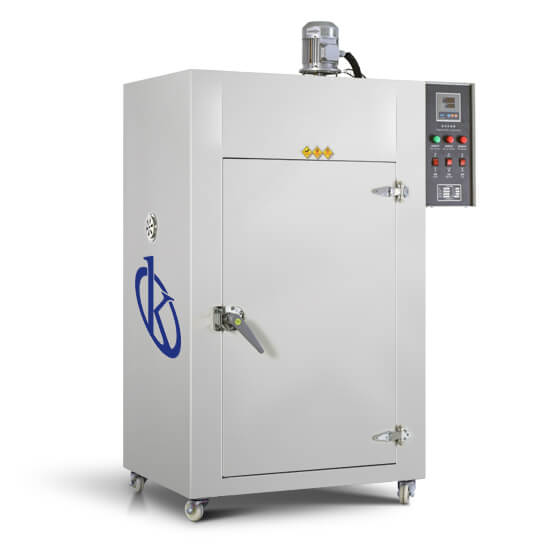
Industrial ovens are vital in various laboratory applications, including material testing, sample preparation, and production processes. They provide precise temperature control and uniform heat distribution, making them suitable for tasks like drying, curing, and sterilization. In a laboratory setting, industrial ovens must not only perform their core functions but also integrate seamlessly with LIMS to facilitate real-time data management.
Key Benefits of LIMS Integration with Industrial Ovens
Integrating industrial ovens with LIMS offers several benefits, including improved data accuracy, enhanced productivity, and compliance with regulatory standards. By automating data capture and transferring results directly to the LIMS, laboratories can reduce human error, streamline reporting processes, and maintain better control over their workflows, ultimately leading to more reliable outcomes.
Common Communication Protocols for Integration
When integrating industrial ovens with LIMS, it’s essential to utilize appropriate communication protocols to facilitate data exchange. Protocols such as HL7, ASTM, and REST are commonly used to allow smooth interaction between devices and software. Selecting the right protocol is key to ensuring that data flows efficiently and securely, enabling laboratories to harness the full potential of their equipment.
Challenges in Integration and How to Overcome Them
Despite the benefits, integrating industrial ovens with LIMS can present challenges, including compatibility issues and data security concerns. To overcome these obstacles, laboratories should conduct thorough assessments of their current systems, invest in robust middleware solutions, and establish clear data governance policies. Additionally, ongoing training and support for staff can help mitigate integration risks.
Comparison of Available Models
| Model | Temperature Range (°C) | Chamber Material | Power (kW) | Best For |
|---|---|---|---|---|
| YR05256-A | RT+5 to 250 | Zinc | 4-6 | Batch production in workshops |
| YR05257-1-A | RT+5 to 250 | Zinc | 8-12 | Industries needing high volume drying |
| YR05258-SS | RT+5 to 250 | Stainless Steel | 4-6 | Electronic and jewelry manufacturing |
| YR05259-1-SS | RT+5 to 250 | Stainless Steel | 8-12 | Heavy-duty drying applications |
Common Mistakes and How to Avoid Them
Integrating industrial ovens with LIMS can lead to several common mistakes if not approached carefully. One frequent error is underestimating the importance of compatibility between devices and software. To avoid this, ensure that all equipment supports the necessary protocols required for integration. Additionally, overlooking staff training can hinder the effectiveness of the integration; therefore, providing comprehensive training is essential for a successful implementation.
How can integrating industrial ovens with LIMS improve data accuracy?
Integrating industrial ovens, such as the YR05256-A, with LIMS enhances data accuracy by automating data capture directly from the oven to the management system. This integration minimizes manual entry errors and ensures that critical temperature and time data are recorded accurately, essential for regulatory compliance.
What are the best practices for selecting a model of industrial oven for LIMS integration?
When selecting an industrial oven for LIMS integration, consider models like YR05257-1-A that offer robust temperature control and reliable connectivity options. Ensure the oven can handle the required workloads while being compatible with LIMS software, including necessary communication protocols for seamless data transfer.
Why is real-time data critical in laboratory environments?
Real-time data is crucial in laboratory environments as it enables immediate decision-making and enhances operational efficiency. For example, integrating the YR05259-1-SS with LIMS allows for live monitoring of drying processes, enabling quick adjustments to ensure optimal conditions and improve product quality.
How can a laboratory ensure compliance with industry standards during integration?
To ensure compliance with industry standards during the integration of industrial ovens like YR05258-SS with LIMS, laboratories should adhere to relevant regulations, conduct thorough validation processes, and document all integration steps meticulously. This ensures traceability and accountability throughout the workflow.
What types of data can be captured from industrial ovens integrated with LIMS?
Data captured from industrial ovens integrated with LIMS can include temperature readings, humidity levels, operational times, and maintenance records. For instance, the YR05256-A can log temperature fluctuations, ensuring compliance with quality assurance protocols.
How to choose the right communication protocol for oven-LIMS integration?
Choosing the right communication protocol, such as REST or ASTM, is vital for effective oven-LIMS integration. Factors to consider include the specific requirements of the laboratory, existing system capabilities, and the model's compatibility, such as the YR05257-1-A, which supports various protocols for seamless data exchange.
What are the potential risks associated with LIMS integration of industrial ovens?
Potential risks of integrating industrial ovens with LIMS include data loss, system incompatibilities, and cybersecurity threats. To mitigate these risks, laboratories should implement robust cybersecurity measures and conduct compatibility tests before full-scale integration, particularly for advanced models like the YR05259-1-SS.
If you are looking for a fusion of innovation and quality, you have come to the right place. At Kalstein, we offer you the luxury of exploring our exclusive catalog of laboratory equipment. We manufacture every device to the highest standards of excellence. Our intuitive and seamless online purchasing channels are designed for your convenience, securing the most competitive prices. Hesitate no longer — we bring science to life, it is time to become part of our community.