How to Integrate Ultrasonic Homogenizers with LIMS for Enhanced Data Flow
In today’s laboratory landscape, the integration of ultrasonic homogenizers with Laboratory Information Management Systems (LIMS) is crucial for enhancing data flow and optimizing workflows. Ultrasonic homogenizers, known for their versatility in liquid processing, play a pivotal role in numerous applications ranging from cell disruption to emulsification. As laboratories increasingly adopt digital solutions, understanding how to effectively integrate these devices with LIMS can significantly improve operational efficiency and data management.
Understanding Ultrasonic Homogenizers
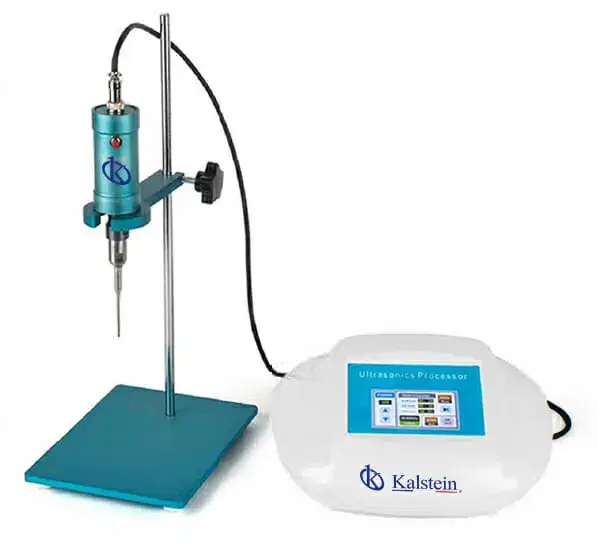
Ultrasonic homogenizers use ultrasonic waves to create cavitation effects in liquids, thereby facilitating the breakdown of cells and dispersion of materials. These instruments are versatile and can be employed in various applications, such as emulsification, separation, and extraction. The models available today, such as the YR05829, YR05830, and YR05831, provide different power outputs and operational modes, making them suitable for a variety of laboratory needs.
Benefits of LIMS Integration with Ultrasonic Homogenizers
Integrating ultrasonic homogenizers with LIMS enhances data management by automating data entry, improving traceability, and facilitating compliance with regulatory standards. LIMS allows for the real-time tracking of samples and results, which is essential for maintaining quality control in laboratory environments. This integration leads to significant time savings and minimizes errors associated with manual data handling.
Key Features of Ultrasonic Homogenizers Relevant for LIMS Integration
When selecting ultrasonic homogenizers for LIMS integration, consider features such as connectivity protocols (e.g., HL7, ASTM), the capacity for data logging, and compatibility with various software. For example, the YR05829 model provides an operational power range suitable for diverse applications while ensuring robust data management capabilities. The smart digital generator enhances the reliability and stability of the device, making it an ideal choice for labs looking to streamline their processes.
Technical Specifications and Comparison of Available Models
| Model | Ultrasonic Power (W) | Frequency (KHz) | Handling Capacity (ml) | Price (USD) |
|---|---|---|---|---|
| YR05829 | 5-150 | 19-25 | 0.1-50 | 659.00 |
| YR05830 | 5-250 | 19-25 | 0.5-100 | 659.00 |
| YR05831 | 5-400 | 19-25 | 0.5-300 | 699.00 |
| YR05831-op1 | 5-400 | 19-25 | 0.5-300 | 149.00 |
| YR05831-op2 | 5-400 | 19-25 | 0.5-300 | 95.00 |
| YR05832 | 650 | 20-25 | 0.2-500 | 1050.00 |
Common Mistakes and How to Avoid Them
One common mistake laboratories make is failing to evaluate the compatibility of their ultrasonic homogenizers with existing LIMS. Before finalizing a purchase, it is vital to ensure that the device can seamlessly integrate with the chosen software. Additionally, underestimating the importance of staff training on the new integrated system can lead to data management issues. Providing proper training ensures that laboratory personnel can utilize the devices effectively, maximizing their potential.
Exploring Integration Protocols
When integrating ultrasonic homogenizers with LIMS, it is essential to understand the different connectivity protocols available. Protocols such as HL7 and ASTM facilitate data exchange between the homogenizer and the LIMS, enabling bidirectional communication. This integration allows for automatic data updates and real-time monitoring of the homogenization processes, enhancing both efficiency and accuracy. For instance, the YR05830 model supports various data logging options that can be beneficial in a LIMS setup.
Data Management and Regulatory Compliance
Effective data management is crucial for regulatory compliance in laboratory settings. Integrating ultrasonic homogenizers with LIMS helps maintain clear records of all processes, which is essential for audits and quality control. By automating data entry and tracking, labs can ensure that they meet ISO standards, including ISO 17025 for testing and calibration laboratories. The YR05831’s features support compliance by offering precise measurements that are logged directly into the LIMS.
Frequently Asked Questions
How do ultrasonic homogenizers integrate with LIMS for data tracking?
Ultrasonic homogenizers like the YR05829 can integrate with LIMS through various connectivity protocols, allowing seamless data tracking and entry in real-time. This integration improves data accuracy and supports compliance with standards like ISO 17025.
What are the benefits of using an ultrasonic homogenizer with LIMS?
Using an ultrasonic homogenizer such as the YR05830 with LIMS enhances data management by automating entries, ensuring traceability, and complying with laboratory standards. This integration streamlines workflows and reduces the potential for errors.
Which ultrasonic homogenizer model is best for LIMS integration?
The YR05831 model is highly suitable for LIMS integration due to its powerful output and robust data logging capabilities. It supports various connectivity options that facilitate seamless integration with laboratory information systems.
Can ultrasonic homogenizers help with ISO 17025 compliance?
Yes, ultrasonic homogenizers like the YR05832 are equipped with features that support ISO 17025 compliance by ensuring accurate measurements and reliable data logging directly into your LIMS.
What connectivity protocols do ultrasonic homogenizers support?
Models such as the YR05830 support multiple connectivity protocols, including HL7 and ASTM, which are essential for integrating with LIMS and facilitating efficient data flow in laboratory settings.
How does LIMS improve operational efficiency in laboratories using ultrasonic homogenizers?
LIMS enhances operational efficiency by automating data entry and tracking in real-time when used with ultrasonic homogenizers like the YR05831, significantly reducing manual errors and saving valuable time.
What are common challenges when integrating ultrasonic homogenizers with LIMS?
Common challenges include ensuring compatibility between devices and software, and adequately training staff to utilize the integrated systems effectively, which is vital for achieving operational efficiency.
How can I request a quote for an ultrasonic homogenizer?
To request a quote for an ultrasonic homogenizer, please reach out to your supplier or manufacturer, or explore options from Kalstein, where you can view competitive pricing and product offerings.
If you are looking for a fusion of innovation and quality, you have come to the right place. At Kalstein, we offer you the luxury of exploring our exclusive catalog of laboratory equipment. We manufacture every device to the highest standards of excellence. Our intuitive and seamless online purchasing channels are designed for your convenience, securing the most competitive prices. Hesitate no longer — we bring science to life, it is time to become part of our community.