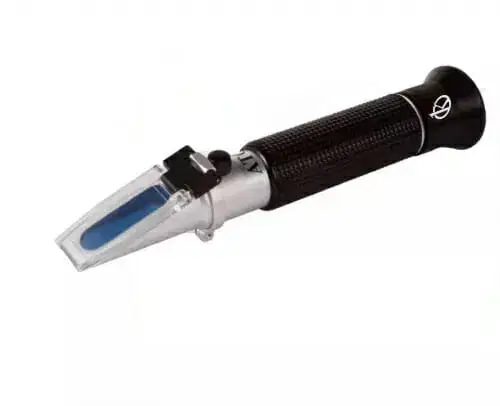
How to Integrate Wine Refractometers with LIMS for Enhanced Data Workflow
In the modern laboratory environment, the integration of Wine Refractometers with Laboratory Information Management Systems (LIMS) is crucial for improving data workflow and ensuring accuracy in measurements. This article delves into how laboratory professionals can leverage different models of Wine Refractometers for seamless data integration, enhancing operational efficiency, and maintaining high-quality standards.
Understanding the Role of Wine Refractometers in Data Workflow
Wine refractometers are essential tools for measuring the sugar content and potential alcohol levels in wine. This data can be crucial for winemakers and laboratories analyzing wine quality. The integration of these devices with LIMS allows for real-time data capture, enhanced accuracy, and improved traceability. With models like YR05931 and YR05932, laboratories can ensure optimal measurement capabilities while seamlessly transferring data into their LIMS.
Key Benefits of LIMS Integration
LIMS integration offers several advantages for laboratories using Wine Refractometers. These include:
- Real-Time Data Capture: Automating data entry reduces human errors and speeds up the analysis process.
- Improved Traceability: Maintaining records of measurements directly linked to samples enhances accountability.
- Enhanced Reporting: Streamlining data into reports for analysis enables quicker decision-making.
Features of Leading Wine Refractometer Models
When selecting a Wine Refractometer for integration with LIMS, consider the features that support this goal:
| Model | Measurement Range | ATC | Accuracy |
|---|---|---|---|
| YR05931 | 0-80% v/v | No | ±1% v/v |
| YR05932 | 0-25% Vol, 0-40% Brix | Yes | ±0.2% Vol, ±0.2% Brix |
| YR05933 | 0-25% Vol, 0-170 °Oe | Yes | ±0.2% Vol, ±1° Oe |
| YR05934 | 0-20% Baume, 0-25% Vol | Yes | ±0.2% Baume |
Choosing the Right Model for LIMS Integration
Each Wine Refractometer model presents unique features that cater to different laboratory needs. For instance, the YR05932 model, with its automatic temperature compensation (ATC), ensures measurements are accurate across varying environmental conditions, making it ideal for integration into systems requiring strict compliance with quality standards.
Common Mistakes and How to Avoid Them
When integrating Wine Refractometers with LIMS, avoid these common pitfalls:
- Failing to assess compatibility between the refractometer and LIMS.
- Overlooking the necessity of training staff on new systems.
- Neglecting to regularly calibrate the refractometers, leading to inaccurate data.
Comparing Available Models
In this section, we provide a comparison of the current models available for Wine Refractometers. This table highlights the specific features and performance metrics crucial for seamless integration with LIMS.
| Model | Measurement Range | ATC | Protocols Supported | Best For |
|---|---|---|---|---|
| YR05931 | 0-80% v/v | No | Standard | Basic Alcohol Measurement |
| YR05932 | 0-25% Vol, 0-40% Brix | Yes | HL7, ASTM | Complex Wine Analysis |
| YR05933 | 0-25% Vol, 0-170 °Oe | Yes | ASTM | Oechsle Measurement |
| YR05934 | 0-20% Baume, 0-25% Vol | Yes | Standard | Multi-Parameter Analysis |
Frequently Asked Questions
How does integrating Wine Refractometers with LIMS improve data accuracy?
Integrating models like the YR05932 with LIMS allows automatic data entry, reducing human error and ensuring accurate records. This integration enhances compliance with standards like ISO 17025, promoting high-quality measurement practices.
What are the key features to look for in a Wine Refractometer for LIMS integration?
When selecting a Wine Refractometer, prioritize models with accurate measurement ranges, automatic temperature compensation (like YR05932), and compatibility with common protocols (HL7, ASTM) to facilitate effective LIMS integration.
Which Wine Refractometer model is best for high-volume wine analysis?
The YR05932 model is the best choice for high-volume analysis due to its dual-scale measurement capabilities and ATC, allowing for precise readings in varying conditions, crucial for maintaining data integrity within LIMS.
What are the common pitfalls when integrating refractometers with LIMS?
Common issues include compatibility challenges, insufficient staff training, and neglecting regular maintenance of devices like the YR05934, which can impact data reliability in the LIMS environment.
How often should Wine Refractometers be calibrated for accurate results?
Calibration frequency for models such as YR05931 should be determined based on usage intensity, generally recommended every month, to ensure ongoing accuracy in data captured by LIMS.
What protocols are essential for LIMS integration of Wine Refractometers?
Essential protocols include HL7 and ASTM, which facilitate the smooth transfer of data from Wine Refractometers like the YR05932 into LIMS, ensuring compliance and traceability.
How can LIMS integration enhance compliance with ISO standards?
LIMS integration allows Wine Refractometers to automatically log data, creating a traceable record that supports compliance with ISO 17025, ensuring laboratories adhere to high standards for accuracy and reliability.
What is the cost of Wine Refractometers suitable for LIMS integration?
The cost of models like YR05932 varies, typically around $9.50 to $10.00, reflecting features like ATC and measurement ranges that enhance their utility in integrated laboratory environments.
If you are looking for a fusion of innovation and quality, you have come to the right place. At Kalstein, we offer you the luxury of exploring our exclusive catalog of laboratory equipment. We manufacture every device to the highest standards of excellence. Our intuitive and seamless online purchasing channels are designed for your convenience, securing the most competitive prices. Hesitate no longer — we bring science to life, it is time to become part of our community.