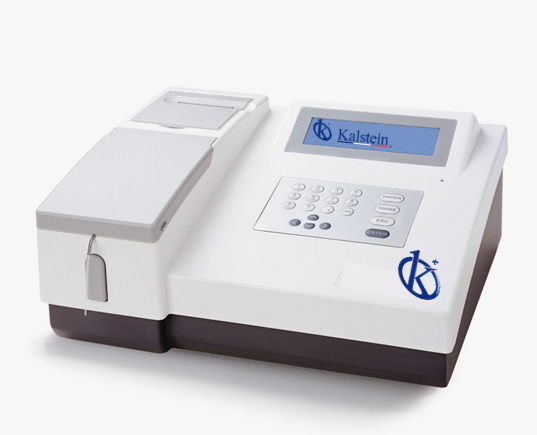
Integrating Chemical Analyzers with LIMS for Enhanced Data Flow: A Comprehensive Guide
In the rapidly evolving landscape of laboratory technology, the integration of chemical analyzers with Laboratory Information Management Systems (LIMS) is becoming increasingly critical. This integration not only streamlines laboratory workflows but also enhances data management and compliance with industry standards. As laboratories strive to improve efficiency, accuracy, and traceability, understanding the various models and their capabilities in relation to LIMS integration is essential.
Overview of Chemical Analyzers and LIMS Integration
Chemical analyzers are pivotal in laboratories, enabling the analysis of various chemical substances through sophisticated techniques. When these analyzers are integrated with LIMS, data flow becomes seamless, allowing for real-time monitoring and better management of laboratory operations. Integration enables laboratories to track samples, manage data, and maintain compliance with ISO standards efficiently.
Benefits of Integrating Chemical Analyzers with LIMS
Integrating chemical analyzers with LIMS offers several benefits, including:
- Improved Data Management: Automated data entry reduces human errors and ensures accurate reporting.
- Traceability: Enhanced tracking of samples and results improves compliance with industry regulations.
- Real-Time Monitoring: Immediate access to data facilitates faster decision-making and improves laboratory efficiency.
- Streamlined Workflows: Integration reduces manual intervention, minimizing delays and increasing productivity.
Key Features to Consider in Chemical Analyzers for LIMS Integration
When selecting a chemical analyzer for LIMS integration, consider the following features:
- Connectivity Options: Ensure that the analyzer supports various connectivity protocols, such as HL7, ASTM, and REST.
- Data Export Capabilities: Check if the analyzer can easily export data in formats compatible with LIMS.
- Integration Complexity: Assess the ease of integration and the resources required for implementation.
- Compliance Features: Evaluate how the analyzer meets specific compliance standards relevant to your laboratory's needs.
Comparison of Available Models
| Model | Connectivity | Protocols Supported | Integration Effort | Best For |
|---|---|---|---|---|
| YR05115 | RS232 | None | Moderate | Small laboratories needing basic integration |
| YR05114 | RS232 | None | Moderate | Small to medium labs with limited LIMS |
| YR06092 | None | None | Low | Field settings where mobility is essential |
| YR06075 | LAN | HL7, ASTM | High | High-throughput labs requiring robust data handling |
| YR05116 | USB, LAN | REST, HL7 | Moderate | Modern labs with advanced data requirements |
| YR06078 | USB, RS232 | None | Low | Multi-use facilities with diverse needs |
Common Mistakes and How to Avoid Them
Integrating chemical analyzers with LIMS can be complex, and there are common pitfalls that laboratories should avoid:
- Neglecting Connectivity: Always verify compatibility between the analyzer and LIMS to prevent data silos.
- Underestimating Training Needs: Provide adequate training for staff to ensure smooth operation post-integration.
- Ignoring Compliance Requirements: Ensure the chosen models support the necessary compliance standards pertinent to your laboratory.
- Overlooking Data Security: Strong security measures must be in place to protect sensitive data during integration.
Best Practices for Successful Integration
To achieve a successful integration of chemical analyzers with LIMS, consider the following best practices:
- Engage Stakeholders Early: Involve all relevant personnel from IT to lab technicians in the planning phases.
- Perform Initial Assessments: Evaluate existing workflows and identify areas where integration can provide clear benefits.
- Plan for Scalable Solutions: Opt for analyzers that can be easily upgraded or expanded as laboratory needs evolve.
- Document Everything: Maintain thorough documentation of processes, protocols, and system settings for future reference.
Frequently Asked Questions
What are the connectivity options for LIMS-integrated chemical analyzers?
Chemical analyzers like the YR06075 offer robust connectivity options such as LAN, supporting protocols like HL7 and ASTM, making them ideal for high-throughput laboratories. In contrast, models like YR05115 primarily use RS232, suitable for smaller labs with simpler integration needs.
How does integrating a chemical analyzer improve laboratory workflows?
Integrating models like YR05116 with LIMS allows for real-time data entry and automated reporting, significantly reducing manual errors and streamlining workflows. This integration ensures that laboratory personnel can focus on analysis rather than paperwork.
Which chemical analyzer is best for compliance with ISO standards?
The YR06075, with its advanced features and support for multiple protocols, is particularly well-suited for compliance with ISO standards, ensuring accurate reporting and traceability throughout laboratory operations.
How can I ensure data security in a LIMS-integrated chemical analyzer?
To ensure data security, choose models like YR05116 that support secure protocols during data transfer. Implementing robust access controls and regular audits will further enhance data protection in integrated systems.
What training is necessary for using LIMS-integrated chemical analyzers?
Training should cover the operational aspects of the analyzer, data input and management through LIMS, and compliance protocols. Staff should be familiarized with specific models like the YR06078 to maximize the benefits of integration.
How much does it cost to integrate a chemical analyzer with LIMS?
The cost of integration can vary significantly based on the chosen model and laboratory needs. For instance, integrating a YR06075 may involve higher upfront costs but could yield long-term savings through increased efficiency and compliance.
What are the key compliance standards for chemical analyzers in laboratories?
Key compliance standards include ISO 17025 for testing and calibration laboratories, which ensures the reliability of results. Models like YR05115 are designed to assist labs in meeting these compliance requirements through accurate testing and data recording.
Conclusion
Integrating chemical analyzers with LIMS presents a significant opportunity for laboratories to enhance their workflows, improve data management, and ensure compliance with standards. By carefully selecting models that align with specific laboratory needs and following best practices for integration, labs can achieve remarkable efficiencies and reliability.
If you are looking for a fusion of innovation and quality, you have come to the right place. At Kalstein, we offer you the luxury of exploring our exclusive catalog of laboratory equipment. We manufacture every device to the highest standards of excellence. Our intuitive and seamless online purchasing channels are designed for your convenience, securing the most competitive prices. Hesitate no longer — we bring science to life, it is time to become part of our community.