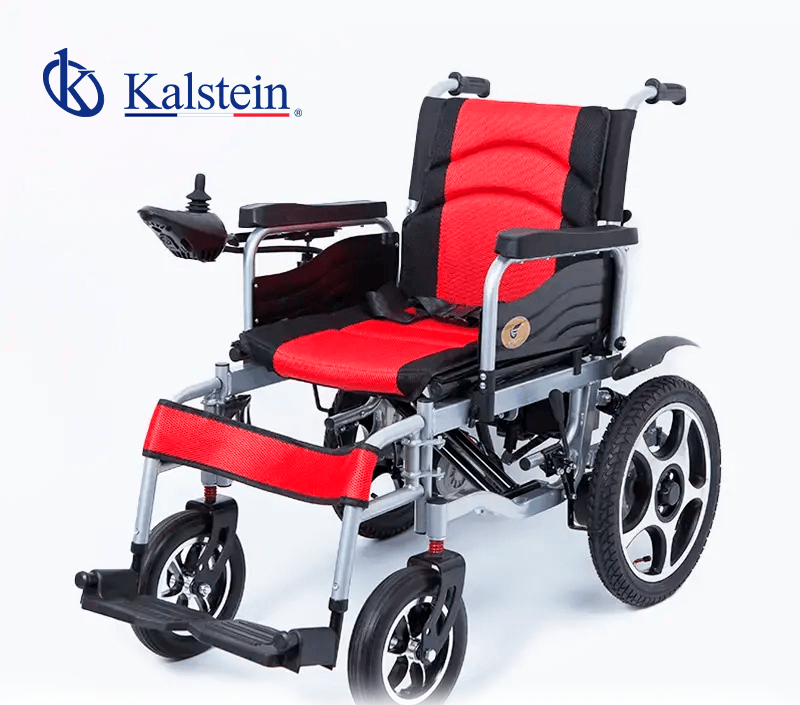
Integrating Electric Wheelchairs with LIMS: Data Flow Digitization Strategies
The integration of electric wheelchairs with laboratory information management systems (LIMS) is an evolving focus in healthcare technology. As organizations strive for greater efficiency and improved patient care, the need for effective data flow and digitization becomes paramount. This article examines how electric wheelchairs can be integrated with LIMS, addressing the challenges and opportunities in data management and workflow optimization.
Electric Wheelchairs: Enhancing Mobility and Data Management
Electric wheelchairs serve a crucial role in mobility for individuals with disabilities or mobility challenges. However, these devices can also play a significant part in data management within healthcare settings. By integrating electric wheelchairs like the YR05440 and YR05444 with LIMS, healthcare providers can ensure better tracking of patient data, enhance mobility insights, and facilitate smoother data entry processes.
Key Features Supporting LIMS Integration
When looking at electric wheelchairs, features that support LIMS integration include wireless connectivity, data logging capabilities, and real-time monitoring. Models such as the YR05442 stand out for their advanced technology, enabling a seamless connection with LIMS systems. This connectivity allows for the automatic transfer of mobility data, ensuring that patient information is accurately captured and easily accessible.
Challenges in Integrating Electric Wheelchairs with LIMS
Despite the advantages, several challenges exist in integrating electric wheelchairs with LIMS. These include compatibility issues with existing systems, data security concerns, and the need for standardized communication protocols. Addressing these challenges requires collaboration between wheelchair manufacturers and software developers to create solutions that meet industry standards.
Data Flow Optimization through LIMS
Optimizing data flow via LIMS not only enhances operational efficiency but also improves patient outcomes. By automating the collection of mobility data from electric wheelchairs, healthcare facilities can analyze trends, monitor patient progress, and provide tailored care plans. For instance, data from the YR05441 model helps identify patterns in patient mobility, facilitating informed clinical decisions.
Comparison of Available Models
| Model | Weight Capacity (KG) | Battery Life (KM) | Speed (KM/h) | Best For |
|---|---|---|---|---|
| YR05440 | 130 | 15 | 6 | Lightweight travel |
| YR05441 | 130 | 15 | 6 | Adjustable seating |
| YR05442 | 200 | 35-75 | 0-20 | All-terrain usage |
| YR05443 | 130 | 15 | 6 | Portable operation |
| YR05444 | 100 | 15 | 6 | Mobile connectivity |
| YR05445 | 100 | 12 | 8 | Adjustable push handle |
Common Mistakes and How to Avoid Them
One common mistake in the integration of electric wheelchairs with LIMS is overlooking the importance of user training. Healthcare professionals must be adequately trained to utilize the data effectively. Another mistake is failing to ensure compatibility between the wheelchair data systems and the LIMS, which can lead to data loss or inaccuracies. Regular audits and testing can help mitigate these issues.
Frequently Asked Questions
How can electric wheelchairs improve data management in healthcare settings?
Electric wheelchairs like the YR05440 enable the collection of essential mobility data, which can be integrated into LIMS for better patient management and care insights.
Which LIMS protocols are best for integrating electric wheelchairs?
Protocols such as HL7 and ASTM are effective for integrating electric wheelchairs like the YR05442 with LIMS, facilitating seamless data transfers and communication.
What are the benefits of digitizing mobility data from electric wheelchairs?
Digitizing data from electric wheelchairs, such as the YR05441, allows for timely access to patient mobility patterns, improving care quality and operational efficiency.
How do electric wheelchairs support patient monitoring through LIMS?
Electric wheelchairs equipped with data logging capabilities, like the YR05443, support continuous patient monitoring through LIMS, ensuring up-to-date information is available for clinical decisions.
What challenges exist when integrating electric wheelchairs with LIMS?
Challenges include compatibility issues and data security concerns. Addressing these requires collaboration between manufacturers and LIMS providers to ensure seamless integration.
How can healthcare facilities optimize the use of electric wheelchair data?
Healthcare facilities can optimize data usage by employing analytics tools within their LIMS, allowing for the evaluation of mobility trends from electric wheelchairs like the YR05444.
What role do electric wheelchairs play in enhancing patient mobility records?
Models such as the YR05445 contribute significantly to enhancing patient mobility records by providing accurate and real-time data for integration with LIMS.
How do I choose an electric wheelchair that integrates well with LIMS?
Choosing an electric wheelchair, like the YR05442, that offers robust connectivity features and data management capabilities is crucial for effective LIMS integration.
If you are looking for a fusion of innovation and quality, you have come to the right place. At Kalstein, we offer you the luxury of exploring our exclusive catalog of laboratory equipment. We manufacture every device to the highest standards of excellence. Our intuitive and seamless online purchasing channels are designed for your convenience, securing the most competitive prices. Hesitate no longer — we bring science to life, it is time to become part of our community.