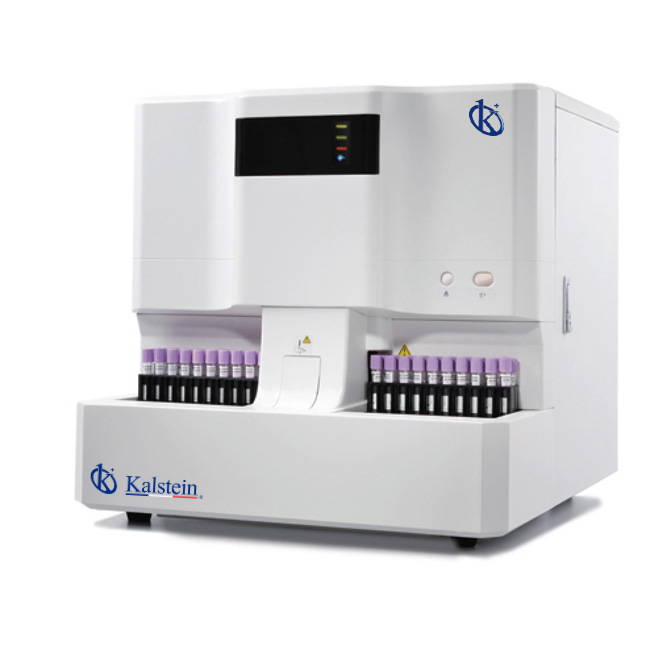
Integrating Hematology Analyzers with LIMS: Enhancing Data Flow and Efficiency
Laboratories are continuously seeking ways to improve accuracy, efficiency, and data management. The integration of hematology analyzers with Laboratory Information Management Systems (LIMS) represents a revolutionary approach to achieving these goals. By facilitating seamless data transfer, enhancing workflow efficiency, and ensuring compliance with regulatory standards, this integration allows laboratories to optimize their operations significantly.
Understanding the Importance of LIMS Integration in Hematology
LIMS integration with hematology analyzers, such as the Automatic Hematology Analyzer YR06080 and YR05123, enables laboratories to automate processes, reduce manual input errors, and enhance data accuracy. This integration allows for real-time data entry, improving overall workflow and enabling faster decision-making processes. Moreover, laboratories can ensure compliance with ISO standards by maintaining thorough documentation and traceability of results.
Key Connectivity Protocols for Seamless Integration
For effective LIMS integration, understanding various connectivity protocols is crucial. Commonly used protocols in hematology analyzers include HL7, ASTM, and REST. Each protocol serves a specific purpose in facilitating data exchange between devices and systems. For instance, the Automatic Hematology Analyzer YR05122-1 supports bidirectional communication with LIMS, streamlining the data transfer process, enhancing operational efficiency, and ultimately improving patient care.
Features Enhancing Data Flow in Hematology Analyzers
Modern hematology analyzers come equipped with advanced features that enhance their integration capabilities with LIMS. The YR05120, for example, offers a low sample volume requirement, reducing wastage and ensuring optimal results. Furthermore, its ability to store up to 100,000 results makes historical data tracking a breeze, aligning with best practices in data management and compliance.
Evaluating the Integration Effort: Cost and Time Considerations
When considering LIMS integration, laboratories must evaluate the cost and time required for implementation. This includes software licensing fees, training costs for personnel, and potential downtime during the transition. The Automatic Hematology Analyzer YR05122 is an excellent example of a model designed to integrate effortlessly into existing workflows, minimizing disruption and ensuring a smooth transition.
Case Studies: Successful LIMS Integration in Laboratories
Numerous laboratories have successfully integrated hematology analyzers with their LIMS, resulting in improved efficiency and data accuracy. A case study involving the YR06080 demonstrated a 30% reduction in processing times due to seamless data transfer and reduced manual entry. Such case studies exemplify the tangible benefits of LIMS integration in enhancing laboratory efficiency and patient outcomes.
Common Challenges and Solutions in LIMS Integration
Despite the many advantages of LIMS integration, laboratories may encounter challenges such as compatibility issues and resistance to change from staff. Overcoming these challenges requires careful planning, thorough training, and clear communication regarding the benefits of integration. Implementing a phased approach to integration can also mitigate potential disruptions and allow for gradual adaptation.
Comparison of Available Models
| Model | Connectivity | Protocols Supported | Integration Effort | Best For |
|---|---|---|---|---|
| YR06080 | High | HL7, ASTM | Moderate | High-throughput labs |
| YR05123 | Medium | HL7 | Low | Small to medium labs |
| YR05122-1 | High | HL7, REST | Moderate | Versatile lab environments |
| YR05122 | Medium | ASTM | Low | Entry-level labs |
| YR05121 | High | HL7, ASTM | Moderate | Research and diagnostics |
| YR05120 | High | HL7, REST | High | Advanced analytics |
Common Mistakes and How to Avoid Them
When implementing LIMS integration with hematology analyzers, some common mistakes include underestimating the importance of staff training and not having a clear integration strategy. To avoid these pitfalls, laboratories should develop a comprehensive plan that includes training sessions, ongoing support, and a clear timeline for integration. Ensuring that all staff are on board and understand the benefits of the new system can lead to a more successful transition.
Frequently Asked Questions
How can LIMS integration improve efficiency in hematology laboratories?
LIMS integration can streamline data management and minimize manual errors in hematology laboratories. For example, the Automatic Hematology Analyzer YR06080 enables real-time data transfer, improving workflow efficiency and reducing processing times significantly.
What are the key benefits of using the YR05123 hematology analyzer with LIMS?
The YR05123 offers a high sample throughput of 60 samples per hour, making it ideal for busy laboratories. Its compatibility with various LIMS protocols enhances data flow and accuracy, ultimately leading to better patient outcomes.
What protocols are supported for data transfer in hematology analyzers?
Common protocols for data transfer in hematology analyzers include HL7 and ASTM. The YR05122-1 supports both protocols, ensuring seamless integration with most LIMS systems.
Which hematology analyzers are best for high-throughput environments?
For high-throughput environments, the YR06080 is an excellent choice due to its ability to process 60 samples per hour and its advanced connectivity features, making it ideal for integration with LIMS.
How does LIMS integration enhance regulatory compliance in laboratories?
LIMS integration enhances regulatory compliance by providing traceability and comprehensive documentation of results. This is critical for laboratories utilizing analyzers like the YR05122, which offers extensive data storage capabilities.
What training is necessary for staff during LIMS integration with hematology analyzers?
Staff training should focus on the operation of the hematology analyzer, understanding the LIMS interface, and data management protocols. Proper training can significantly reduce resistance to change and improve overall efficiency, especially when integrating models like the YR05121.
What challenges might laboratories face during the integration of hematology analyzers with LIMS?
Challenges can include compatibility issues, resistance from staff, and the complexity of the integration process. Addressing these challenges requires a thorough planning phase, including staff training and gradual implementation, particularly for analyzers like YR05120.
How can a laboratory ensure a successful LIMS integration process?
A successful LIMS integration process involves a clear strategy, thorough training, and continuous support for staff. Using models like the YR05122, which is designed for easy integration, can also enhance the success of the process.
If you are looking for a fusion of innovation and quality, you have come to the right place. At Kalstein, we offer you the luxury of exploring our exclusive catalog of laboratory equipment. We manufacture every device to the highest standards of excellence. Our intuitive and seamless online purchasing channels are designed for your convenience, securing the most competitive prices. Hesitate no longer — we bring science to life, it is time to become part of our community.