Integrating Plant Growth Chambers with LIMS: A Comprehensive Guide
In the realm of laboratory research, particularly in agricultural and biological studies, the proper management of environmental conditions is crucial for optimal plant growth. Plant growth chambers serve as essential tools for simulating the necessary conditions for various biological experiments. This guide delves deep into the integration of Plant Growth Chambers with Laboratory Information Management Systems (LIMS) to enhance data flow and operational efficiency.
The Role of Plant Growth Chambers in Research
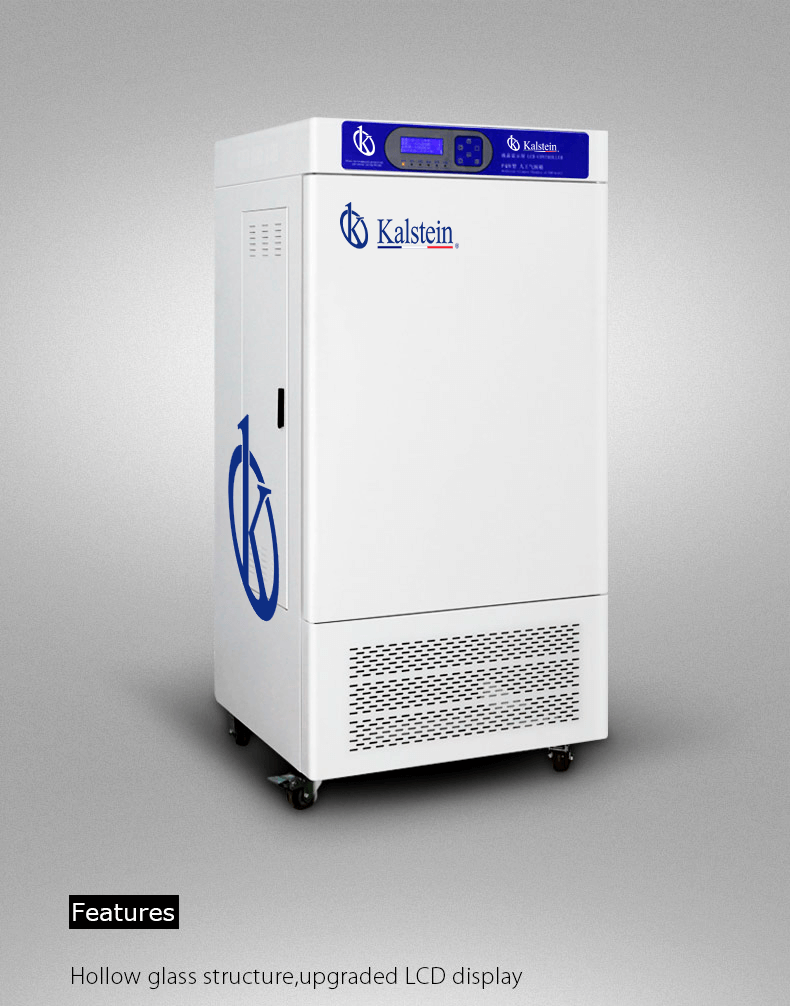
Plant growth chambers provide controlled environments for plant studies. These chambers allow researchers to regulate factors such as temperature, humidity, and light exposure, which are critical for experiments involving seed germination, plant breeding, and the study of microorganisms. Models like the YR05331 use intelligent microcomputer control systems and adjustable lighting to create optimal growth conditions.
Understanding LIMS Integration
LIMS integration is a powerful approach that enables laboratories to collect, manage, and analyze data more effectively. By connecting plant growth chambers to a LIMS, researchers can automate data capture and streamline workflows. This integration facilitates real-time monitoring and control of various parameters, which is crucial in ensuring compliance with research protocols and regulatory standards.
Key Advantages of Integrating Plant Growth Chambers with LIMS
Integrating plant growth chambers with LIMS brings several benefits:
- Enhanced Data Accuracy: Automated data collection minimizes human error, ensuring high accuracy in experimental results.
- Improved Efficiency: Streamlined workflows reduce the time spent on data entry and management.
- Real-time Monitoring: Continuous data logging allows for immediate adjustments to chamber conditions as needed.
- Regulatory Compliance: LIMS aids in maintaining compliance with standards such as ISO 17025 through proper documentation and tracking.
Technical Requirements for LIMS Integration
Successful integration of plant growth chambers with LIMS requires a clear understanding of connectivity protocols and data flow. Key elements include:
- Connectivity Protocols: Common protocols used in LIMS integration include HL7, ASTM, and RESTful APIs that facilitate communication between devices and software.
- Data Format: Ensuring compatibility in data format (e.g., JSON, XML) is crucial for effective data exchange.
- Middleware Solutions: These can be employed to help bridge gaps between the LIMS and plant growth chambers, ensuring seamless data integration.
Comparison of Available Models
| Model | Temperature Range (°C) | Lighting (LX) | Volume (L) | Best for |
|---|---|---|---|---|
| YR05331 | 10~50 (with lighting) | 0~10000 | 150 | Seed germination, microbiological testing |
| YR05332 | 10~50 (with lighting) | 0~15000 | 250 | Plant seedling production, quality testing |
| YR05333 | 10~50 (with lighting) | 0~15000 | 350 | Advanced biological research, crop production studies |
How LIMS Integration Improves Experiment Tracking
One of the most significant advantages of integrating LIMS with plant growth chambers is enhanced experiment tracking. Each model, such as the YR05333, allows for specific parameters to be recorded continuously throughout the experimental period. This data can be linked directly to LIMS, providing a comprehensive view of all environmental conditions and experimental results, which is crucial for reproducibility and validation.
Common Mistakes and How to Avoid Them
When integrating plant growth chambers with LIMS, there are several pitfalls to avoid:
- Inadequate Planning: Failing to plan the integration process can lead to connectivity issues. Ensure all technical requirements are outlined beforehand.
- Ignoring Data Standards: Adhering to data standards is vital for compatibility. Be sure to maintain consistency in data formats throughout the integration.
- Neglecting Training: Ensure all personnel are trained in both LIMS and plant growth chamber operations to maximize efficiency.
Case Studies of Successful Integrations
Real-world case studies showcase how laboratories have successfully integrated plant growth chambers with LIMS. These studies illustrate improved data management, streamlined workflows, and enhanced research outcomes. For example, a laboratory using the YR05332 reported a 30% reduction in data entry errors post-integration, significantly increasing data reliability.
Frequently Asked Questions
How can I ensure my plant growth chamber meets ISO 17025 standards?
To ensure compliance with ISO 17025, use models like the YR05331 that offer precise temperature control and data logging capabilities. This enables you to maintain accurate records, which is essential for audits and quality management.
What are the best practices for integrating a plant growth chamber with LIMS?
Best practices include selecting a model like the YR05333 that supports multiple connectivity protocols and ensuring that all data formats are compatible with your LIMS. Additionally, thorough training for staff on both systems is crucial.
How does LIMS integration enhance data management in plant growth chambers?
LIMS integration automates data capture from plant growth chambers like the YR05332, reducing human error and improving data accuracy. This integration also allows for real-time monitoring and historical data analysis, essential for research quality.
What connectivity protocols should be considered for LIMS integration?
Key protocols include HL7, ASTM, and REST, which facilitate communication between the LIMS and models like YR05331. Choosing the right protocol ensures seamless data transfer and integration efficiency.
How do I evaluate the ROI of using a LIMS-integrated plant growth chamber?
Evaluate ROI by comparing the costs associated with manual data entry versus automated systems provided by LIMS integration in models like YR05333. Consider factors such as time savings, error reduction, and improved research outcomes.
What are common challenges faced during LIMS integration with plant growth chambers?
Common challenges include inadequate connectivity, data format inconsistencies, and lack of staff training. Addressing these issues upfront can smooth the integration process for models like the YR05332.
How does LIMS contribute to better compliance in laboratory settings?
LIMS contributes to compliance by ensuring all experimental data is accurately recorded and easily retrievable, which is essential for meeting standards like ISO 17025. Using models such as YR05331 provides the necessary data integrity.
What features should I look for in plant growth chambers for LIMS integration?
Look for features such as precise temperature control, real-time data logging, and compatibility with multiple connectivity protocols. Models like the YR05332 are ideal for these needs, facilitating efficient integration with LIMS.
If you are looking for a fusion of innovation and quality, you have come to the right place. At Kalstein, we offer you the luxury of exploring our exclusive catalog of laboratory equipment. We manufacture every device to the highest standards of excellence. Our intuitive and seamless online purchasing channels are designed for your convenience, securing the most competitive prices. Hesitate no longer — we bring science to life, it is time to become part of our community.