Integrating Portable Benchtop Spectrophotometers with LIMS: Data Flow Digitalization in 2026
In the modern laboratory environment, the integration of advanced tools and technologies has become crucial for optimizing workflows and enhancing data accuracy. Portable benchtop spectrophotometers are increasingly being utilized for their reliability and adaptability, particularly in conjunction with Laboratory Information Management Systems (LIMS). This article delves into the integration of these spectrophotometers with LIMS, focusing on how this synergy facilitates data flow digitalization, improves operational efficiency, and supports regulatory compliance in 2026.
Understanding the Role of Portable Benchtop Spectrophotometers
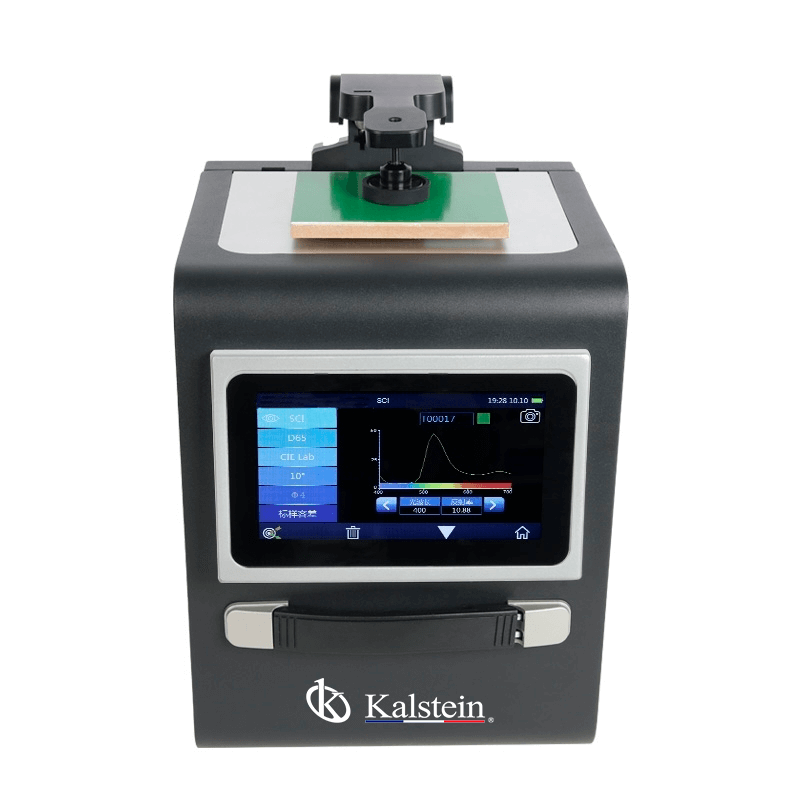
Portable benchtop spectrophotometers are compact devices designed for precise color measurement in various laboratory applications. Their portability allows for versatile deployment in different settings, while their sophisticated optical geometries enhance measurement accuracy. Models like the Portable Desktop Spectrophotometer YR05484, with its 45/0 optical geometry, and the YR05485, featuring D/8 geometry, exemplify advanced capabilities in color analysis.
Importance of LIMS in Laboratory Workflows
Laboratory Information Management Systems (LIMS) are essential for managing samples, associated data, and laboratory workflows. LIMS facilitate better data integrity, tracking, and regulatory compliance by automating routine tasks and streamlining data entry processes. As lab environments evolve, the integration of portable benchtop spectrophotometers with LIMS plays a pivotal role in optimizing data management.
Advantages of Integration for Data Flow Digitalization
The integration of portable benchtop spectrophotometers with LIMS promotes data flow digitalization by enabling seamless information exchange between devices and the management system. This integration ensures that measurement data is automatically recorded, reducing the risk of human error and enhancing data reliability. As a result, laboratory professionals can focus on analysis rather than data entry.
Key Integration Protocols and Standards
To successfully integrate portable benchtop spectrophotometers with LIMS, adherence to various data exchange protocols is necessary. Standards such as ASTM E1164 and ISO 7724-1 are crucial for ensuring compatibility and reliability. Moreover, the use of interfaces like REST and middleware solutions can facilitate bidirectional communication between devices and LIMS, which is essential for real-time data updates.
Common Challenges in Integration and Solutions
Despite the benefits, laboratories may face challenges when integrating portable spectrophotometers with LIMS, such as compatibility issues and resistance to change. To address these, laboratories should engage in comprehensive planning, involve all stakeholders in the process, and provide adequate training to staff to ensure smooth adoption of the new system.
Comparison of Available Models
| Model | Optical Geometry | Price (USD) | Best for |
|---|---|---|---|
| YR05484 | 45/0 | 4730.00 | Color measurement in plastics and textiles. |
| YR05485 | D/8 | 4950.00 | Large sample measurements, suitable for coatings. |
| YR05486 | D/8 | 4640.00 | Versatile measurement in dynamic environments. |
| YR05487 | D/8 | 4018.00 | Ideal for quality control in manufacturing processes. |
Evaluating Cost-Effectiveness of Spectrophotometer Integration
When considering integration with LIMS, it is essential to evaluate the cost-effectiveness of using portable benchtop spectrophotometers. Each model offers different advantages depending on the application, which can influence both direct and indirect costs associated with laboratory operations.
Future Trends in Spectrophotometry and LIMS Integration
As laboratory technology advances, the trend towards increased miniaturization and portability of spectrophotometers continues to grow. Future models are expected to feature enhanced connectivity options, energy efficiency, and user-friendly interfaces that further streamline integration with LIMS.
Common Mistakes and How to Avoid Them
Integrating portable benchtop spectrophotometers with LIMS can be complex, and several common mistakes can hinder successful implementation. Issues such as inadequate training, failure to map workflows properly, and neglecting to consult with IT professionals can lead to significant challenges. To avoid these pitfalls, labs should ensure thorough training and planning before integration.
Frequently Asked Questions
What are the best portable benchtop spectrophotometers for LIMS integration in 2026?
The best models for LIMS integration in 2026 include the Portable Desktop Spectrophotometer YR05485 and YR05487. These models facilitate seamless communication with LIMS to enhance data accuracy and operational efficiency.
How can I ensure successful digital data flow with portable spectrophotometers?
To ensure effective digital data flow, it's crucial to select models like the YR05486 that support modern connectivity protocols. This facilitates smooth integration with LIMS for real-time data exchange.
What are the key features to look for in a portable benchtop spectrophotometer in 2026?
Key features to consider include the optical geometry, integration capabilities with LIMS, and data accuracy. Models such as YR05484 are known for their reliability in color measurement tasks.
Which integration protocols are most effective for spectrophotometers and LIMS?
Effective integration protocols include ASTM E1164 and ISO 7724-1, which ensure compatibility between portable benchtop spectrophotometers and LIMS, providing accurate data management.
How do I select the right model for my laboratory's needs in 2026?
Selecting the right model involves considering the specific applications of the laboratory. The YR05485 is ideal for large sample measurements, while the YR05487 excels in quality control processes.
What challenges may arise during the integration of spectrophotometers with LIMS?
Challenges include compatibility issues and resistance to new technologies. Thorough planning and staff training can mitigate these challenges and streamline the integration process.
How can I optimize my laboratory's workflows with LIMS and spectrophotometers?
Optimizing workflows involves automating data entry through integration, using models like the YR05486 that support real-time updates, enhancing efficiency and accuracy in laboratory operations.
What is the investment return when integrating portable spectrophotometers with LIMS?
The return on investment can be significant, with improved data accuracy and efficiency leading to cost savings over time. Models like the YR05487 offer excellent cost-effectiveness in manufacturing settings.
If you are looking for a fusion of innovation and quality, you have come to the right place. At Kalstein, we offer you the luxury of exploring our exclusive catalog of laboratory equipment. We manufacture every device to the highest standards of excellence. Our intuitive and seamless online purchasing channels are designed for your convenience, securing the most competitive prices. Hesitate no longer — we bring science to life, it is time to become part of our community.