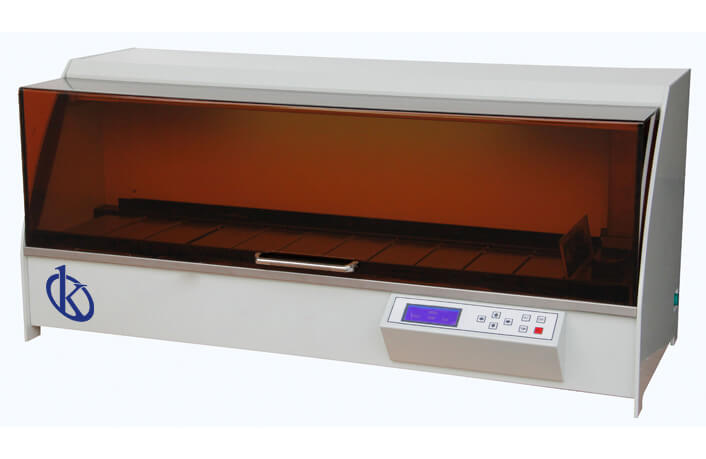
Integrating Tissue Processors with LIMS: Enhancing Data Flow in Laboratories
The integration of laboratory information management systems (LIMS) with tissue processors has revolutionized the way laboratories manage data and workflows. This synergy not only enhances data accuracy but also improves operational efficiency, enabling laboratories to streamline processes and reduce errors. This article delves into the importance of LIMS integration for tissue processors, exploring multiple models available in the market to help laboratory professionals make informed decisions.
Understanding the Need for LIMS Integration in Tissue Processing
Laboratories are increasingly adopting LIMS to digitize and automate their workflows. The integration of LIMS with tissue processors allows for real-time data collection, analysis, and reporting. This ensures that laboratory professionals can access accurate information at any time, which is crucial for maintaining compliance with industry standards and improving patient outcomes. By leveraging LIMS, laboratories can enhance traceability, reduce manual entry errors, and improve overall productivity.
Key Benefits of LIMS Integration in Tissue Processing
Integrating tissue processors with LIMS offers several key benefits:
- Streamlined Data Flow: Automation of data entry minimizes the risk of human error, ensuring accurate record-keeping.
- Enhanced Traceability: Every specimen processed can be tracked through the LIMS, facilitating compliance with regulations.
- Improved Efficiency: Automation reduces manual tasks, freeing up staff to focus on other critical laboratory functions.
- Real-Time Reporting: LIMS provides immediate access to data, helping in quick decision-making processes.
Comparison of Available Models
| Model Code | Price (USD) | Number of Cups | Best for | Connectivity |
|---|---|---|---|---|
| YR431-1 | 11000.00 | 12 | High-throughput laboratories | USB, RS232 |
| YR436-2 | 4400.00 | 12 | Budget-conscious labs | None |
| YR427 | 2600.00 | 12 | Small laboratories | None |
| YR428 | 2900.00 | 12 | Small to medium labs | USB |
| YR429 | 3300.00 | 12 | Medium-sized labs | USB |
| YR431 | 4000.00 | 12 | High-quality specimen processing | USB, RS232 |
Connectivity Protocols for Tissue Processors and LIMS
Understanding the connectivity options available for integrating tissue processors with LIMS is crucial for optimizing laboratory workflows. Various protocols such as HL7, ASTM, and REST API are commonly used to bridge the gap between these systems. For instance, the YR431-1 model supports USB and RS232, allowing for straightforward integration with most LIMS solutions. Assessing the compatibility of these protocols with your existing systems can significantly impact the integration's success.
Challenges in LIMS Integration for Tissue Processors
While LIMS integration offers numerous benefits, it is not without its challenges. Common issues include:
- Compatibility Issues: Not all tissue processors support the same connectivity protocols, which can complicate integration efforts.
- Implementation Costs: The initial costs associated with integrating LIMS can be significant, especially for smaller laboratories.
- Training Requirements: Staff may need to undergo training to effectively use both the LIMS and the tissue processor.
Common Mistakes and How to Avoid Them
Laboratories often encounter pitfalls during the LIMS integration process. Here are some common mistakes and strategies to avoid them:
- Underestimating IT Infrastructure Needs: Ensure that your laboratory’s IT infrastructure can support both LIMS and tissue processor integration.
- Neglecting User Training: Comprehensive training for users is essential to maximize the benefits of the integration.
- Ignoring Maintenance: Regular maintenance of both systems is crucial for long-term success.
Frequently Asked Questions
What are the best tissue processors for LIMS integration in 2023?
The best tissue processors for LIMS integration include models like YR431-1 and YR429, which support various connectivity options such as USB and RS232, ensuring seamless data flow and compliance with industry standards.
How do I choose a LIMS-compliant tissue processor for my lab?
Choosing a LIMS-compliant tissue processor involves assessing your laboratory's specific needs, compatibility with existing systems, and workflow requirements. Models like YR431-1 are ideal for high-throughput environments.
Which connectivity protocols are essential for tissue processor integration?
Essential connectivity protocols for tissue processor integration include HL7, ASTM, and REST API. These protocols facilitate seamless communication between tissue processors and LIMS, enhancing data accuracy and traceability.
What is the cost of a LIMS-integrated tissue processor in 2023?
The cost of LIMS-integrated tissue processors varies, with models like YR431-1 priced at $11,000 and more budget-friendly options like YR427 available for $2,600, making it accessible for various laboratory budgets.
How does LIMS integration improve tissue processing efficiency?
LIMS integration automates data entry and specimen tracking, significantly reducing manual tasks. This efficiency is exemplified in models like YR431, which enhances throughput and accuracy in specimen processing.
What are the key features to consider in a tissue processor for LIMS integration?
Key features to consider include the number of cups, temperature control, connectivity options, and ease of use. Models such as YR431-1 offer multiple features that facilitate seamless integration with LIMS.
How can I ensure compliance when integrating tissue processors with LIMS?
Ensuring compliance involves choosing a tissue processor that meets industry standards and integrating it with LIMS that supports traceability and data integrity. The YR431 model is a strong candidate for compliance-focused laboratories.
What maintenance is required for LIMS-integrated tissue processors?
Regular maintenance includes software updates, calibration checks, and cleaning protocols. Keeping models like YR431-1 in optimal condition ensures reliable performance and data accuracy in laboratory settings.
If you are looking for a fusion of innovation and quality, you have come to the right place. At Kalstein, we offer you the luxury of exploring our exclusive catalog of laboratory equipment. We manufacture every device to the highest standards of excellence. Our intuitive and seamless online purchasing channels are designed for your convenience, securing the most competitive prices. Hesitate no longer — we bring science to life, it is time to become part of our community.