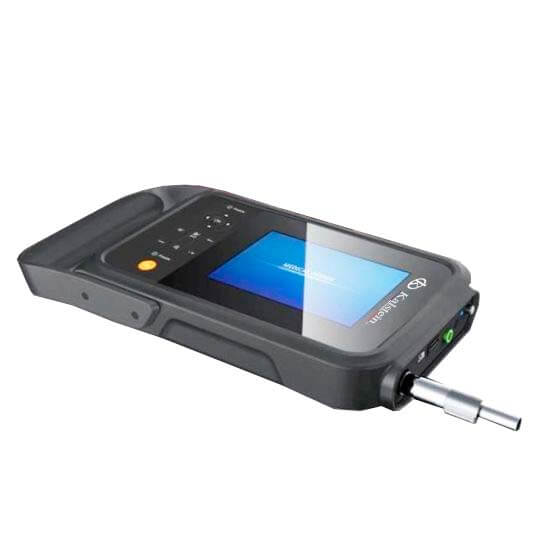
Integrating Ultrasonic Diagnostic Equipment with LIMS for Enhanced Data Workflow
In today's fast-paced medical environment, the integration of ultrasonic diagnostic equipment with Laboratory Information Management Systems (LIMS) is essential for optimizing data workflows. This integration not only enhances operational efficiency but also improves patient outcomes through accurate and timely diagnostics. This article explores multiple models of ultrasonic diagnostic equipment, highlighting their capabilities in LIMS integration and digital data management.
Understanding Ultrasonic Diagnostic Equipment
Ultrasonic diagnostic equipment, particularly ultrasound scanners, play a crucial role in modern diagnostics. They are vital for various applications, including obstetrics, cardiology, and general imaging. By integrating these devices with LIMS, laboratories can automate data collection, streamline reporting, and enhance traceability of patient records. This ensures that critical information is readily available, reducing administrative burden and improving overall laboratory efficiency.
Comparison of Available Models
| Model | Connectivity | Protocols Supported | Integration Effort | Best For |
|---|---|---|---|---|
| YR05146 | USB, SD | USB data transfer | Moderate | Veterinary diagnostics |
| YR05147 | USB, Wireless | HL7, DICOM | Low | Obstetrics and gynecology |
| YR05154 | USB | N/A | Moderate | General diagnostics |
| YR05154-1 | Wi-Fi, USB | DICOM | Low | Mobile diagnostics |
| YR05155 | USB | N/A | Moderate | General diagnostics |
| YR05155-1 | Wi-Fi, USB | DICOM | Low | Mobile diagnostics |
Key Features for LIMS Integration
The integration of ultrasonic diagnostic equipment with LIMS involves several key features, such as connectivity options, data protocols, and ease of integration. For instance, the YR05147 model stands out with its support for HL7 and DICOM protocols, facilitating seamless data exchange and improving interoperability with existing laboratory systems. In contrast, models like YR05146 are more suited for standalone operations, making them ideal for specific diagnostic settings.
Benefits of LIMS Integration
Integrating ultrasonic diagnostic equipment with LIMS can lead to numerous benefits, including enhanced data accuracy, reduced manual entry errors, and increased throughput. By automating data transfer from devices like the YR05155-1, laboratories can ensure that patient records are updated in real-time, improving clinical decision-making. Additionally, automated reporting capabilities streamline operations, allowing healthcare providers to focus on patient care rather than administrative tasks.
Common Mistakes and How to Avoid Them
When implementing LIMS integration with ultrasonic diagnostic equipment, common mistakes often include inadequate training for staff, overlooking compatibility issues, and failing to establish clear data governance protocols. To avoid these pitfalls, laboratories should invest in comprehensive training programs and conduct thorough compatibility assessments before integrating new equipment. Furthermore, establishing clear data management practices can help ensure the integrity and confidentiality of patient information.
Cost Considerations for LIMS Integration
Cost is a significant factor when considering LIMS integration with ultrasonic diagnostic equipment. While initial investment may seem daunting, the long-term benefits often outweigh the upfront costs. For example, the YR05147 model, priced at $1150, offers extensive features for obstetrics and gynecology that can enhance lab efficiency and improve patient outcomes. A cost-benefit analysis should be conducted to evaluate potential savings in time, reduced errors, and improved patient care.
Future Trends in Ultrasonic Diagnostic Equipment
The future of ultrasonic diagnostic equipment integration with LIMS looks promising, with advancements in technology driving innovation. Features such as AI-driven diagnostics, enhanced image processing, and improved data analytics capabilities are becoming more prevalent. As these technologies evolve, they will further streamline workflows and improve data management in laboratories, making LIMS integration even more vital in ensuring high-quality patient care.
Frequently Asked Questions
How does LIMS integration enhance ultrasonic diagnostic workflow efficiency?
LIMS integration enhances ultrasonic diagnostic workflow efficiency by automating data transfer and reporting. For example, the YR05147 model supports HL7 and DICOM protocols, facilitating seamless communication between devices and the laboratory system, which minimizes manual data entry and reduces errors.
What are the best practices for integrating ultrasonic diagnostic equipment with LIMS?
Best practices for integrating ultrasonic diagnostic equipment with LIMS include thorough training for personnel, ensuring compatibility between systems, and establishing data governance protocols. Utilizing models like YR05155-1 can streamline this process due to their user-friendly integration features.
Which protocols should be supported for effective LIMS integration?
Effective LIMS integration should support protocols such as HL7 and DICOM, which facilitate communication between systems. The YR05147 model exemplifies this by allowing for streamlined data exchange in obstetric and gynecological settings, enhancing overall efficiency.
How can ultrasonic diagnostic equipment help meet regulatory standards?
Ultrasonic diagnostic equipment, when integrated with LIMS, can help meet regulatory standards by ensuring accurate data management and traceability. Models like YR05146 provide reliable data storage and reporting capabilities that align with compliance requirements.
What are the cost implications of using LIMS with ultrasonic diagnostic models?
The cost implications of using LIMS with ultrasonic diagnostic models vary, but the initial investment can lead to significant savings over time. For instance, the YR05147 model, priced at $1150, offers extensive features that can enhance throughput and reduce administrative costs in the long run.
How does data governance impact LIMS integration with ultrasound devices?
Data governance is crucial for LIMS integration as it ensures data integrity, security, and compliance with regulations. Establishing clear protocols and best practices when using models like YR05155-1 can help maintain high standards of data management.
What innovations are expected in ultrasonic diagnostic equipment for LIMS integration?
Innovations in ultrasonic diagnostic equipment for LIMS integration may include AI-driven analytics, enhanced imaging capabilities, and improved connectivity options. These advancements will further streamline workflows and enhance data accuracy, making models like YR05147 essential in future applications.
If you are looking for a fusion of innovation and quality, you have come to the right place. At Kalstein, we offer you the luxury of exploring our exclusive catalog of laboratory equipment. We manufacture every device to the highest standards of excellence. Our intuitive and seamless online purchasing channels are designed for your convenience, securing the most competitive prices. Hesitate no longer — we bring science to life, it is time to become part of our community.