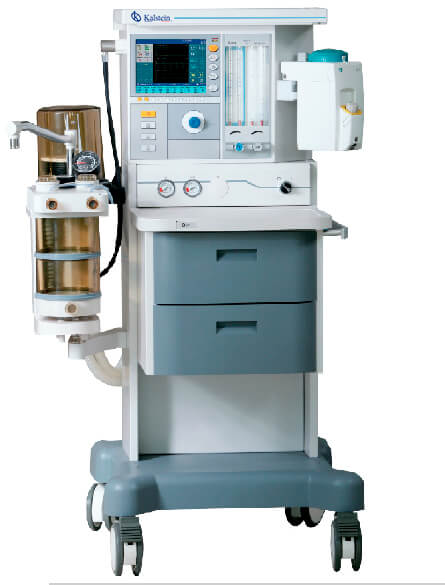
How to Effectively Interpret Results from the YR02074-2 Vaporizator
The YR02074-2 Vaporizator is an advanced instrument designed to deliver accurate vaporization of anesthetic agents in clinical settings. Understanding how to interpret the results and readings produced by this machine is crucial for ensuring patient safety and effective anesthetic management. This guide will delve into the interpretation of results generated by the YR02074-2, helping operators master the nuances of the device.
Understanding the Measurement Units and Readings of the YR02074-2
The YR02074-2 provides measurements in specific units that are standard in anesthetic practices. Familiarizing oneself with these units is the first step in accurately interpreting the device's output. Common measurements include percentage concentration of the anesthetic, flow rates in liters per minute (L/min), and total volumes administered.
Additionally, it is essential to understand how these readings correlate to clinical effects and patient safety. For instance, a 2% concentration of isoflurane may be effective for inducing anesthesia in a patient but could be dangerously high for maintenance, thus requiring continuous monitoring.
Normal Ranges and Error Bars in YR02074-2 Readings
Every measurement taken by the YR02074-2 has a normal range that practitioners should be aware of. For example, typical anesthetic concentrations range from 1.5% to 3% depending on the required depth of anesthesia.
Error bars in graphical displays indicate the potential variability in these measurements. Understanding and interpreting these error bars are vital for operators to assess whether the readings are stable or indicative of a problem.
Common Misinterpretations and How to Avoid Them
Misinterpretations of readings can lead to critical errors in anesthetic delivery. One common mistake is assuming that a stable reading indicates that the patient is stable. It is crucial to assess the complete clinical picture, rather than relying solely on the vaporizator's readings.
Additionally, operators should be aware of the impact of external factors, such as changes in temperature or humidity, which can affect the measurements. Regular calibration and maintenance of the YR02074-2 are essential to mitigate these errors.
Example Scenarios for Result Interpretation
Interpreting results from the YR02074-2 can be illustrated through various example scenarios. For instance, if a patient is exhibiting signs of inadequate anesthesia, operators should refer to the vaporizator's output to ensure that the concentration is set appropriately.
Another scenario might involve observing a sudden fluctuation in anesthetic concentration. This could denote either a malfunction or a change in the patient's physiology, necessitating prompt investigation.
Technical Data of the YR02074-2 Vaporizator
| Model | Brand | Category | Price (USD) | Weight (Gross) | Dimensions | Package |
|---|---|---|---|---|---|---|
| YR02074-2 | Kalstein | Anesthetic Machine | $6280.00 | 0 kg | x x | 0 x 0 x 0 |
Frequently Asked Questions
What are the key features of the YR02074-2 Vaporizator that aid in result interpretation?
The YR02074-2 is equipped with advanced sensors and a user-friendly interface that allows for precise monitoring of anesthetic concentrations and adjustments based on real-time feedback.
How can external factors affect the measurements from the YR02074-2?
External factors such as temperature, humidity, and atmospheric pressure can influence the vaporization process and affect the accuracy of the readings. Operators should ensure that the device is used within specified environmental conditions.
What should I do if the readings from the YR02074-2 appear inconsistent?
If the readings are inconsistent, it is important to first check for calibration errors, inspect connections, and ensure that the vaporizator is functioning correctly. Consulting the user manual for troubleshooting steps is advisable.
How often should the YR02074-2 be calibrated for accurate readings?
Calibration of the YR02074-2 should be performed regularly, typically before each use or at least once a month, depending on usage frequency to maintain accuracy and reliability.
What is the importance of understanding error bars in the YR02074-2 readings?
Error bars provide essential information regarding the precision of the measurements. Understanding them allows operators to gauge the reliability of the readings and recognize when further investigation is warranted.
Can I rely solely on the YR02074-2 readings for patient safety?
No, while the YR02074-2 provides valuable data, it is crucial to consider the patient's overall clinical situation and not rely solely on device outputs for making clinical decisions.
How can I request additional information or a quote for the YR02074-2?
You can reach out to our sales team for detailed information or to request a quote for the YR02074-2. We are here to assist you.
If you are looking for a fusion of innovation and quality, you have come to the right place. At Kalstein, we offer you the luxury of exploring our exclusive catalog of laboratory equipment. We manufacture every device to the highest standards of excellence. Our intuitive and seamless online purchasing channels are designed for your convenience, securing the most competitive prices. Hesitate no longer — we bring science to life, it is time to become part of our community.