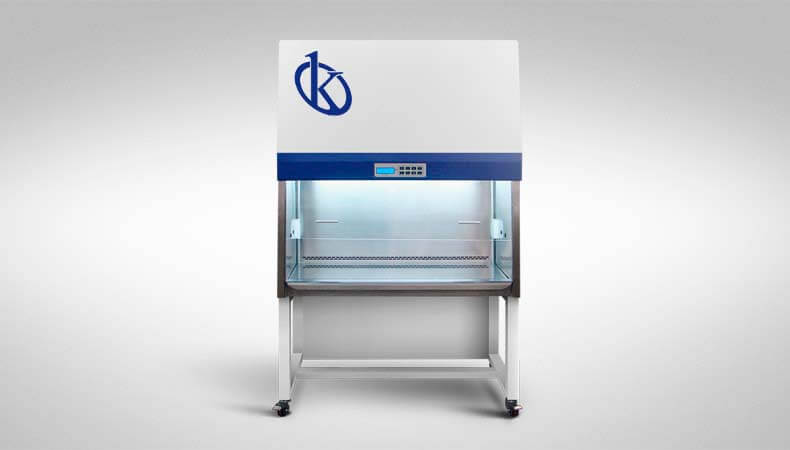
Interpretation of Results and Measurement Reading for the YR05271-1 Biosafety Cabinet
The YR05271-1 Biosafety Cabinet is an essential tool in various laboratory environments where safety and accuracy are paramount. Proper interpretation of results and correct reading of measurements are critical to ensure effective operation and compliance with safety standards. This article delves into the specific features of the YR05271-1 that facilitate accurate measurement reading and how to interpret results correctly.
Technical Specifications of the YR05271-1
| Model | YR05271-1 |
|---|---|
| Cleanroom Classification | ISO14644.1 CLASS 5 (US209E, CLASS 100) |
| Inflow Velocity | 0.53 m/s |
| Downflow Velocity | 0.35 m/s |
| Downflow Velocity Accuracy | ±0.015 m/s |
| Noise Level (dB) | ≤65 |
| Vibration | ≤3 μm (X, Y, Z direction) |
| HEPA Efficiency | 99.995% |
| Light Intensity (LX) | ≥650 |
| Pressure Differential Range (Pa) | 0~500 |
| Operating Environment | Ambient temperature 10-30 ℃, relative humidity <70%, no evident vibration or dust |
| External Dimensions (H x W x D) (mm) | 2120×1340×740 |
| Work Zone Dimensions (H x W x D) (mm) | 670×1260×560 |
| Power (W) | 350 |
| Net Weight (kg) | 210 |
| Gross Weight (kg) | 235 |
Understanding the Importance of Measurement Reading
Accurate measurement reading is a crucial aspect of operating the YR05271-1 Biosafety Cabinet effectively. This cabinet is equipped with a range of sensors and features that provide real-time data about airflow, pressure, and other operational parameters. Understanding how to interpret these measurements can significantly enhance laboratory safety and efficiency.
Key Parameters to Monitor
- Inflow and Downflow Speed: These parameters ensure that the cabinet maintains the necessary airflow to create a sterile working environment. A stable inflow and downflow speed are essential for preventing contaminants from entering the work zone.
- HEPA Filter Efficiency: The YR05271-1 uses high-efficiency particulate air (HEPA) filters that capture 99.995% of particles larger than 0.3 microns. Regular monitoring of filter performance is vital for maintaining optimal air quality.
- Noise Levels: Excessive noise can indicate operational issues within the cabinet. Monitoring noise levels ensures that the equipment operates within acceptable limits, contributing to a more conducive laboratory environment.
Common Misinterpretations of Measurement Results
Laboratory operators may encounter various challenges when interpreting measurement results from the YR05271-1. Misinterpretations can lead to operational inefficiencies or safety hazards. Here are some common pitfalls and how to avoid them:
1. Overlooking Calibration
Failing to regularly calibrate the cabinet's sensors can result in inaccurate readings. It is essential to establish a calibration schedule and adhere to it rigorously.
2. Ignoring Environmental Conditions
The performance of the YR05271-1 can be affected by external environmental conditions. Factors such as temperature and humidity levels outside the specified range can lead to fluctuations in measurement results.
3. Misreading Sensor Outputs
Operators should familiarize themselves with the cabinet’s display and understand what each reading signifies. Different units may represent the same parameter differently, potentially leading to confusion.
4. Neglecting Maintenance
Regular maintenance, including replacing HEPA filters and checking for leaks, is vital for accuracy. Operators should maintain detailed service records to track maintenance activities.
Best Practices for Accurate Measurement Interpretation
To ensure accurate reading of measurements in the YR05271-1, consider implementing the following best practices:
- Routine Calibration: Schedule regular calibration of all sensors to guarantee that the readings remain accurate.
- Comprehensive Training: Ensure all operators are thoroughly trained on the cabinet’s features and how to interpret measurements correctly.
- Use Supplementary Tools: Consider using additional measurement tools for cross-referencing results from the cabinet.
- Document Everything: Keep detailed logs of readings and maintenance activities to track performance over time.
Consistent Monitoring Practices
Establishing consistent monitoring practices is crucial for the effective operation of the YR05271-1. Here are some strategies to implement:
Real-time Monitoring
Utilize the integrated LCD screen to monitor airflow velocity and pressure in real-time. Being proactive allows for timely adjustments to maintain optimal conditions.
Regular Data Review
Schedule routine reviews of measurement data to identify patterns or anomalies that may indicate potential problems.
Feedback Loop
Create a feedback loop among laboratory team members to share observations and insights regarding the cabinet's performance and measurement readings.
Frequently Asked Questions
What should I do if the YR05271-1 displays an error code related to airflow?
If the cabinet displays an error code indicating airflow issues, check the HEPA filter for blockages or damage. Ensure that the cabinet is correctly sealed and that there are no external obstructions affecting airflow.
How often should the HEPA filter in the YR05271-1 be replaced?
The HEPA filter should be replaced every 6 to 12 months, depending on usage and environmental conditions. Regular maintenance checks should be conducted to determine the filter's condition.
Can external factors influence the readings on the YR05271-1?
Yes, external factors such as temperature, humidity, and even nearby equipment can influence the readings. It's essential to maintain a controlled laboratory environment to ensure accurate measurements.
How do I know if my readings from the YR05271-1 are accurate?
To ensure accuracy, regularly calibrate the unit and compare its readings with supplementary measurement devices. Consistency across multiple instruments can help confirm the accuracy of your readings.
What maintenance procedures are essential for optimal performance of the YR05271-1?
Essential maintenance procedures include regular calibration, HEPA filter replacement, cleaning, and checking for leaks. Keeping a log of these activities can help track performance over time.
Request a Quote
For further information about the YR05271-1 and to request a quote, please contact us today.
If you are looking for a fusion of innovation and quality, you have come to the right place. At Kalstein, we offer you the luxury of exploring our exclusive catalog of laboratory equipment. We manufacture every device to the highest standards of excellence. Our intuitive and seamless online purchasing channels are designed for your convenience, securing the most competitive prices. Hesitate no longer — we bring science to life, it is time to become part of our community.