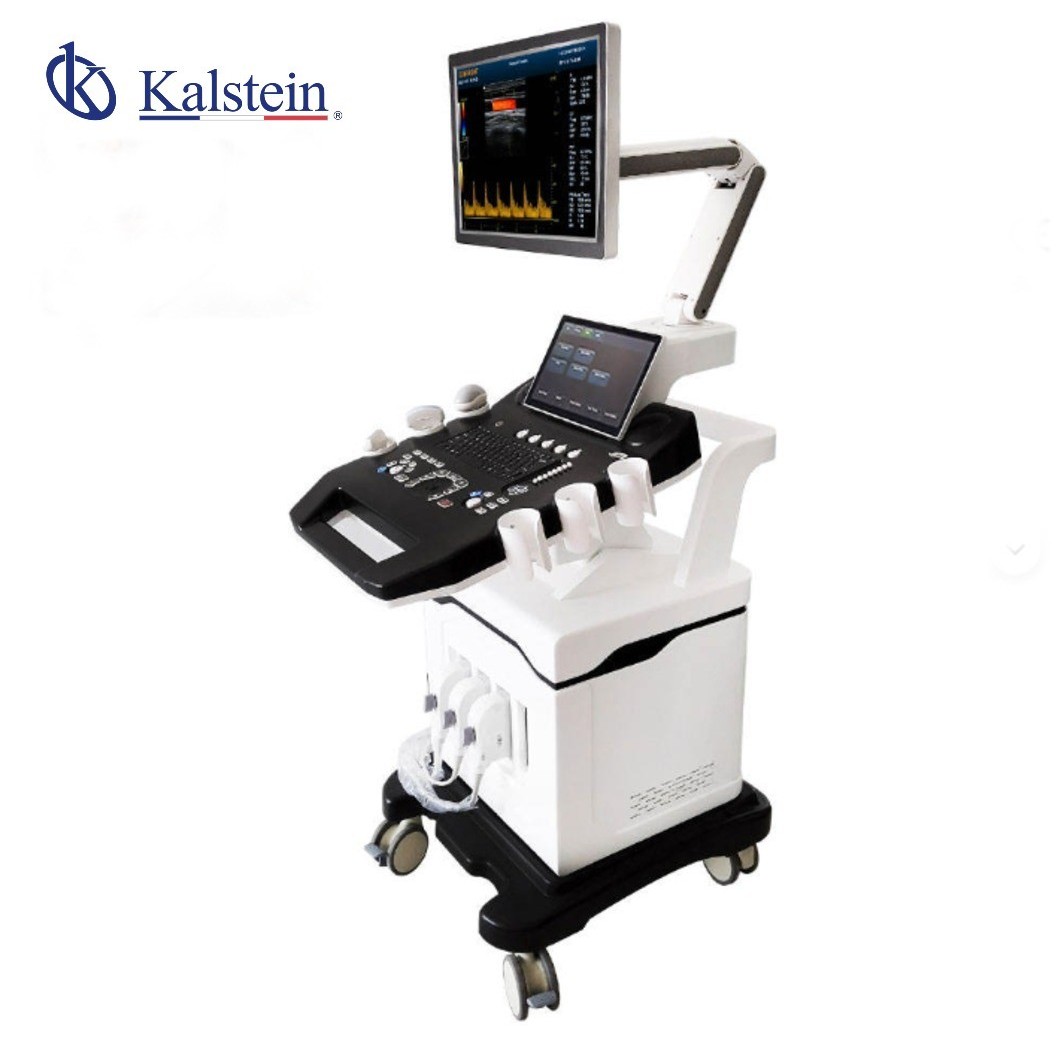
Interpreting Results and Measurement Readings with the YR06635 Ultrasound Scanner
The YR06635 is a premium diagnostic imaging solution that integrates advanced 3D and 4D color Doppler technology. This system is designed for modern medical and veterinary centers that demand exceptional precision across a wide range of applications, from abdominal and cardiac studies to high-complexity obstetrics and gynecology. Proper interpretation of results and measurement readings is crucial for accurate diagnostics and treatment planning.
Understanding the YR06635 Imaging Technology
The YR06635 employs state-of-the-art imaging technologies that enhance the clarity and accuracy of results. By utilizing multiple beamforming technology and fully digital signal processing, the scanner achieves high-resolution images with reduced speckle noise. These advancements make interpreting readings not only easier but also more reliable.
Key Features Impacting Measurement Readings
| Feature | Specification |
|---|---|
| Model | YR06635 |
| Monitor | 15-inch LED (1024 x 768) |
| Transducer Ports | 4 Active Ports |
| Storage | 64GB SSD (Optional 120GB/200GB) |
| USB Ports | 4 Ports |
| Memory Cinema | 1200 Frames |
| Image Formats | PNG, AVI, BMP, JPEG, DICOM |
| Image Modes | B, 2B, 4B, M, B/M, B/C, PW, CW, CFM, 4D |
| Connectivity | Ethernet (100Mb/1000Mb), VGA, HDMI, DICOM 3.0 |
| Weight | 80 kg |
Interpreting Measurement Readings
Accurate interpretation of the results produced by the YR06635 is imperative for effective clinical decision-making. The display outputs various modes including B-mode for 2D imaging, M-mode for motion tracking, and 4D imaging for real-time volumetric visualization. Understanding how to read these outputs is essential for diagnosing conditions effectively.
It is important to familiarize yourself with the units used in measurement and the normal ranges for different scenarios. For instance, normal ranges for fetal heartbeats can significantly vary, and recognizing these variations helps in making informed decisions.
Common Misinterpretations and How to Avoid Them
Even experienced practitioners may encounter misinterpretations when reading measurements. Some common examples include confusing fetal heart rate patterns or misreading vascular flow patterns. It is crucial to be aware of these potential pitfalls:
- Fetal Heart Rate Variability: Ensure you are familiar with the baseline fetal heart rate and its variations during different stages of pregnancy.
- Vascular Flow Patterns: Understand the differences between normal and pathological flow patterns to avoid misdiagnosis.
- Artifacts in Imaging: Recognize artifacts due to motion or acoustic shadowing that can obscure true pathology.
Best Practices for Result Interpretation
To enhance the accuracy of your interpretations using the YR06635, follow these best practices:
- Regular Calibration: Ensure the scanner is regularly calibrated to maintain accuracy.
- Continuous Training: Engage in ongoing training and workshops to stay updated on imaging techniques and interpretation practices.
- Peer Review: Engage in peer reviews of complex cases to gain insights and share knowledge.
Frequently Asked Questions
What types of probes does the YR06635 support?
The YR06635 supports a wide variety of probes, including convex arrays, linear arrays, intracavitary probes, micro-convex probes, cardiac probes, and specialized 4D volume probes.
Is the YR06635 compatible with hospital management systems?
Yes, it fully complies with the DICOM 3.0 protocol, enabling easy printing and sending of reports through medical networks.
Does the YR06635 have automated functions?
Yes, it features automatic measurements for IMT (Intima-Media Thickness) and automatic pulse wave tracing (PW) to expedite the diagnostic process.
What are the ideal environments for using the YR06635?
It is recommended for high-complexity hospitals and specialized clinics focused on vascular diagnostics or advanced fetal monitoring.
How can I effectively utilize the integrated 4D mode?
The integrated 4D mode is essential for real-time volumetric reconstructions in obstetrics, allowing for better visualization of fetal structures.
What maintenance routine should I follow for the YR06635?
A maintenance routine should include regular software updates, cleaning of transducers, and routine checks of connectivity options to ensure optimal performance.
Conclusion
If you are looking for a fusion of innovation and quality, you have come to the right place. At Kalstein, we offer you the luxury of exploring our exclusive catalog of laboratory equipment. We manufacture every device to the highest standards of excellence. Our intuitive and seamless online purchasing channels are designed for your convenience, securing the most competitive prices. Hesitate no longer — we bring science to life, it is time to become part of our community.