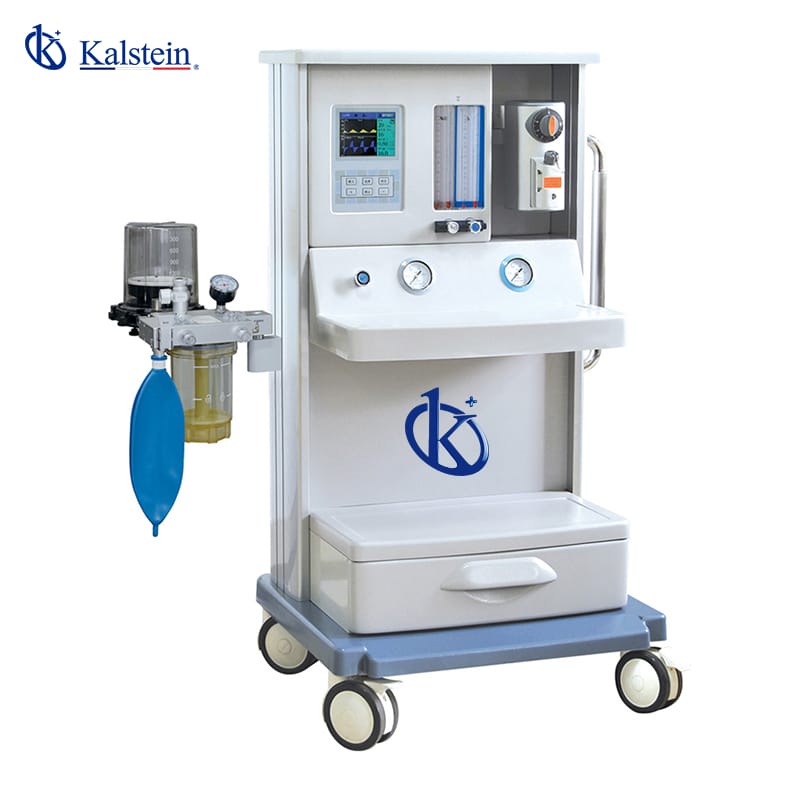
Interpreting Results and Reading Measurements with the YR02059 Anesthesia Machine
The YR02059 Anesthesia Machine is a sophisticated piece of medical equipment designed to deliver precise anesthesia during surgical procedures. Understanding how to interpret its results and read measurements accurately is crucial for medical professionals to ensure patient safety and effective anesthesia management. This article provides a detailed exploration of the critical aspects of measurement interpretation using the YR02059.
Technical Specifications of the YR02059
| Specification | Details |
|---|---|
| Model | YR02059 |
| Display Screen | 5.7" Color LCD |
| Flowmeters Tube | 4-Tube O2, N2O |
| Vaporizer | 1 Enflurane/Isoflurane/Sevoflurane (Optional: Halothane) |
| Respiration Modes | A/C, IPPV, SIPPV, IMV, SIMV, MANUAL |
| Tidal Volume Range | 50~1500ml |
| I/E Ratio | 8:1~1:10 |
Understanding Measurement Units and Normal Ranges
The YR02059 provides various measurements critical for safe anesthesia delivery. Understanding these units and their normal ranges is essential for effective interpretation. Common measurements include the concentration of anesthetic gases in the delivery system, which is typically expressed in percentage (%), and the tidal volume, measured in milliliters (ml).
For instance, the tidal volume range of the YR02059 is between 50 to 1500 ml. This range is suitable for both adults and children, allowing for flexibility in various clinical scenarios. It is crucial for operators to familiarize themselves with these ranges to identify potential anomalies or areas of concern quickly.
Reading the Display: Interpreting Anesthesia Levels
The 5.7" color LCD screen on the YR02059 provides real-time information about the patient’s anesthesia levels and respiratory parameters. Properly reading the display is fundamental for operators to interpret results accurately. The screen typically shows graphs for the concentration of anesthesia over time, which allows the operator to adjust dosages accordingly.
To interpret the anesthesia levels displayed, operators should look for steady-state readings, ensuring that the concentrations remain within therapeutic ranges. Sudden spikes or drops in these values may indicate equipment malfunction or patient-related issues that must be addressed immediately.
Common Misinterpretations and How to Avoid Them
Misinterpreting data can lead to serious mistakes in administering anesthesia. One common misinterpretation is confusing the inspired concentration of anesthetic gas with the end-tidal concentration. Operators must ensure they are viewing the correct measurement to make informed decisions.
Additionally, fluctuations in the readings can occur due to external factors such as patient movement or equipment anomalies. Ensuring the machine is calibrated correctly and regularly maintained can help minimize these issues. Training and continuous education for operators are essential in reducing the risk of misinterpretation.
Examples of Correct Measurement Interpretation
Effective interpretation of YR02059 measurements involves understanding scenarios. For example, if the display shows an inspired concentration of 2% isoflurane but the end-tidal concentration is at 1.5%, this indicates that the patient is receiving a stable dose. Conversely, if the end-tidal concentration drops significantly while the inspired concentration remains constant, it may indicate that the patient is not absorbing the anesthetic properly, which could lead to inadequate anesthesia.
Another example would be interpreting tidal volumes. If the tidal volume settings are set to 700 ml but the machine displays a delivered tidal volume of only 500 ml, this discrepancy should prompt an investigation into possible obstructions in the airway or equipment malfunction.
Frequently Asked Questions
How can I calibrate the YR02059 Anesthesia Machine for accurate readings?
Calibration involves setting the machine to recognize standard values for gases and volumes. This process typically requires following the manufacturer’s instructions, ensuring proper connection to calibration gas sources, and running through calibration protocols to confirm accurate readings.
What are the troubleshooting steps for inconsistent readings on the YR02059?
First, verify that all connections are secure and that there are no leaks in the system. Check the calibration status and ensure that the machine has been serviced recently. If problems persist, consult the maintenance manual or contact technical support for assistance.
Are there specific maintenance procedures for the YR02059 to ensure accurate measurements?
Regular maintenance should include checking gas flowmeters, vaporizers, and ensuring that the electronic control systems are functioning correctly. Scheduled servicing according to manufacturer recommendations is also essential to maintain accuracy.
What should I do if the YR02059 displays an error code?
Error codes provide specific indications of issues within the machine. Referencing the user manual for code definitions and corresponding troubleshooting steps is crucial to resolving issues effectively.
How often should I check the measurements displayed on the YR02059 during procedures?
Continuous monitoring is essential during procedures. Operators should regularly check the measurements at intervals appropriate for the surgical complexity, typically every few minutes, or as dictated by the clinical protocol.
Can the YR02059 be used for both adults and children?
Yes, the YR02059 is designed to accommodate both adult and pediatric patients by providing adjustable settings for tidal volume and anesthetic delivery, ensuring safe administration across different patient demographics.
If you are looking for a fusion of innovation and quality, you have come to the right place. At Kalstein, we offer you the luxury of exploring our exclusive catalog of laboratory equipment. We manufacture every device to the highest standards of excellence. Our intuitive and seamless online purchasing channels are designed for your convenience, securing the most competitive prices. Hesitate no longer — we bring science to life, it is time to become part of our community.