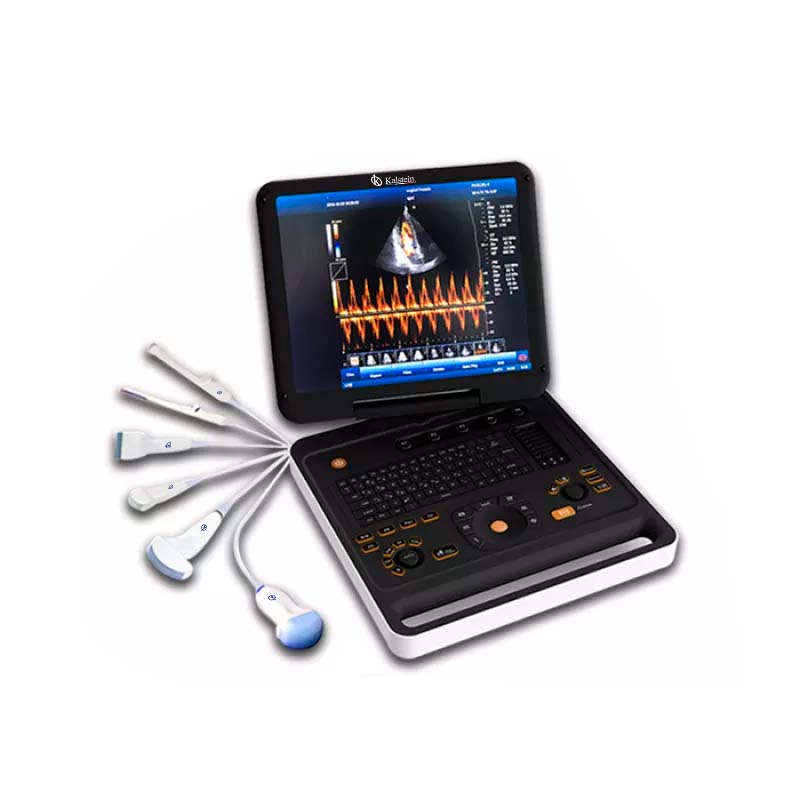
Interpreting Results and Reading Measurements with the YR05150 Doppler Color System
The YR05150 Doppler Color ultrasound system is a sophisticated diagnostic tool designed for various medical applications, including obstetrics, cardiology, and vascular studies. Understanding how to interpret results and accurately read measurements from this device is crucial for medical professionals to ensure patient safety and effective treatment. This article explores the functionality of the YR05150, providing a comprehensive guide to interpreting results, reading measurements, and troubleshooting common issues.
Understanding the YR05150 Doppler Color System
The YR05150 is equipped with advanced technology that provides real-time imaging capabilities. With a 15-inch LED color display and a variety of imaging modes, the system allows healthcare practitioners to visualize and interpret ultrasound data effectively. Its main applications span across multiple fields, including obstetrics, cardiology, and urology.
Users can access numerous imaging modes, such as B-mode, M-mode, and Doppler imaging, to assess blood flow and tissue structure. It’s essential to familiarize yourself with these modes for accurate result interpretation.
Technical Specifications of the YR05150
| Feature | Description |
|---|---|
| Model Number | YR05150 |
| Warranty | 2 years |
| Post-Sale Service | Return and replacement |
| Instrument Classification | Class II |
| Type | High-quality portable color Doppler ultrasound diagnostic device |
| Imaging Mode | 2D, 3D, simultaneous CF + B, PDI, DPDI, etc. |
| Probe Connectors | 2 |
| Automatic IMT Measurement | Yes |
| CW Functionality | Yes |
Reading Measurements on the YR05150
Interpreting the data displayed on the YR05150 requires understanding various measurements and their clinical significance. Key measurements include:
- Peak Systolic Velocity (PSV): This reflects the maximum speed of blood flow during systole and is crucial for assessing vascular conditions.
- End-Diastolic Velocity (EDV): This measures blood flow at the end of diastole, providing insight into diastolic function and vascular resistance.
- Resistance Index (RI): Calculated from PSV and EDV, this index helps in evaluating vascular resistance.
Healthcare professionals should also be aware of normal ranges for these parameters, as deviations may indicate pathology.
Common Misinterpretations and How to Avoid Them
Accurate interpretation of Doppler results can be challenging due to various factors that may affect readings. It's essential to be aware of common misinterpretations:
- Inadvertent Angle of Incidence: Measurements taken at non-parallel angles to blood flow can lead to inaccurate velocity readings. Always position the probe correctly to minimize angle discrepancy.
- Artifact Influence: Doppler images can sometimes be affected by artifacts. Familiarize yourself with common artifacts to distinguish them from true pathology.
- Improper Calibration: Ensure the device is calibrated properly before use. Routine checks can prevent faulty readings.
Best Practices for Accurate Measurements
To ensure accuracy in measurements and result interpretation when using the YR05150, follow these best practices:
- Regular Calibration: Implement routine calibration schedules to maintain device accuracy.
- Training: Ensure that all users are well-trained in using the YR05150, understanding both its functions and the nuances of reading results.
- Environmental Considerations: Maintain optimal environmental conditions for the device, including temperature and humidity levels, to reduce measurement variability.
Frequently Asked Questions
How is the Peak Systolic Velocity calculated on the YR05150?
Peak Systolic Velocity (PSV) is determined by analyzing the highest frequency shift detected during systole. This involves positioning the probe accurately to align with blood flow for precise measurements.
What imaging modes does the YR05150 support for vascular studies?
The YR05150 offers several imaging modes for vascular studies, including B-mode, Doppler mode, and Color Flow Mapping (CFM). Each mode provides different insights into vascular conditions.
How can I ensure accurate readings on the YR05150?
To ensure accurate readings, keep the device properly calibrated, use the correct probe positioning, and familiarize yourself with the equipment's features. Regular training and updates on best practices are also essential.
What should I do if the YR05150 shows inconsistent readings?
If inconsistent readings are observed, first check the probe position, ensure proper calibration, and examine for any artifacts that may be present. If issues persist, consult the user manual or technical support.
How does the YR05150 compare with other Doppler systems?
The YR05150 stands out for its advanced imaging options, user-friendly interface, and reliability across various medical applications. Compared to other systems, it offers a balance of quality and portability.
Can the YR05150 connect to external printers for reporting?
Yes, the YR05150 is designed to connect to any brand of printer, allowing users to easily generate reports for patient records or consultations.
What are the advantages of using the YR05150 for obstetric applications?
The YR05150 provides clear imaging and accurate Doppler measurements, making it ideal for monitoring fetal heart rates and assessing placental blood flow, which are critical in obstetrics.
If you are looking for a fusion of innovation and quality, you have come to the right place. At Kalstein, we offer you the luxury of exploring our exclusive catalog of laboratory equipment. We manufacture every device to the highest standards of excellence. Our intuitive and seamless online purchasing channels are designed for your convenience, securing the most competitive prices. Hesitate no longer — we bring science to life, it is time to become part of our community.