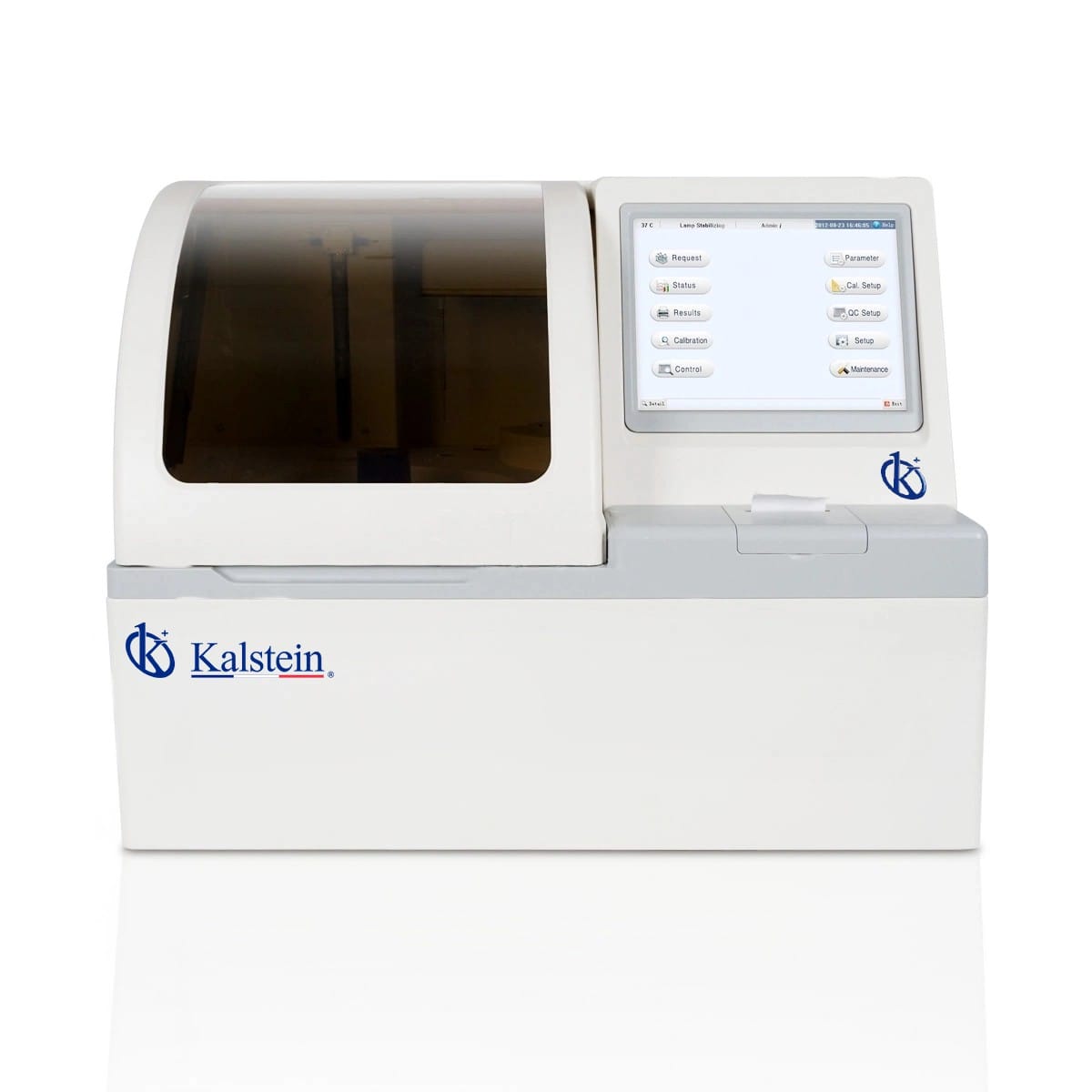
Interpreting Results and Reading Measurements with the YR06168 Automatic Veterinary Chemistry Analyzer
The YR06168 Automatic Veterinary Chemistry Analyzer is a sophisticated tool designed for veterinary laboratories, streamlining the interpretation of results and reading of measurements. This article dives deep into how to effectively use this equipment, ensuring accurate and reliable readings.
Overview of the YR06168 Analyzer
The YR06168 model stands out in veterinary diagnostics due to its specialized veterinary software, rapid testing capabilities, and user-friendly operation. Understanding its features is essential for interpreting results accurately.
Technical Specifications of YR06168
| Specification | Details |
|---|---|
| Model | YR06168 |
| Reagent Volume | R1: 180-450uL, 0.1uL adjustable; R2: 3-250uL, 0.1uL adjustable |
| Reaction Position | 90 cuvettes, 10 cuvettes/strip |
| Cuvette Optical Path Length | 5mm |
| Reaction Volume | 180-500uL |
| Reaction Temperature | 37°C |
| Light Source | Halogen lamp |
| Absorbance Range | 0-3.500Abs |
| Wavelengths | 8 wavelengths from 340-700 nm |
| Resolution | 0.0001Abs |
| Power Supply | DC 110V/220V, 50HZ/60Hz |
| Dimensions | 630mm x 480mm x 510mm |
| Net Weight | 70kg |
| Sample Volume | 3~45uL, 0.1uL adjustable |
| Reagent Positions | 26 |
| Cooling Temperature | 4-15°C |
Interpreting Results: A Step-by-Step Guide
Interpreting the results from the YR06168 requires a clear understanding of the units used, the significance of the measurements, and normal ranges for various tests. Here’s a breakdown of how to approach the interpretation process:
- Understand Units: Measurements in veterinary chemistry typically use units such as mg/dL, mmol/L, etc. Familiarizing yourself with these units is crucial for accurate interpretation.
- Know the Normal Ranges: Each parameter has established normal ranges that vary by species and age. Having a reference guide can aid in quickly identifying abnormal results.
- Assess Error Bars: The YR06168 provides error margins for each test result. Understanding how to read these can help gauge the reliability of measurements.
- Review Display Outputs: The analyzer presents results in various formats including graphs and tables. Know how to interpret these visual aids for better insight.
- Common Misinterpretations: Be aware of common pitfalls, such as confusing units or failing to account for the sample matrix.
Common Measurement Errors and Solutions
Even with advanced equipment like the YR06168, measurement errors can occur. It’s essential to troubleshoot and resolve these discrepancies. Below is a symptom-to-solution table for common errors:
| Symptom | Probable Cause | Solution |
|---|---|---|
| Inconsistent Readings | Sample contamination or equipment miscalibration | Recalibrate the device and use fresh samples |
| Error Code E-03 | Reagent supply issue | Check reagent levels and replace if necessary |
| Display Does Not Power On | Power supply issue | Inspect power cable and connections |
| Unresponsive Touch Screen | Software glitch | Restart the analyzer and ensure software is updated |
Best Practices for Sample Handling
Proper sample handling is crucial for accurate results. Here are some best practices to follow when using the YR06168:
- Use Appropriate Sample Volume: Ensure the sample volume meets the analyzer’s specifications to avoid dilution or concentration errors.
- Avoid Contamination: Use clean, disposable equipment and avoid cross-contamination between samples.
- Maintain Temperature Controls: Adhere to recommended temperature settings for samples to ensure stability.
- Immediate Processing: Process samples as soon as possible after collection to ensure the integrity of the results.
Frequently Asked Questions
How do I calibrate the YR06168 analyzer?
Calibration of the YR06168 is performed through the software interface. Follow the on-screen instructions to input calibration standards, ensuring accurate readings.
What types of samples can be analyzed with the YR06168?
The YR06168 is designed to analyze various biological samples, including blood serum, plasma, and other fluids typical in veterinary diagnostics.
How often should maintenance be performed on the YR06168?
Regular maintenance should be conducted monthly, including calibration checks and software updates to ensure optimal performance.
Can I use third-party reagents with the YR06168?
Yes, the YR06168 supports an open system for reagents, but it is advisable to verify compatibility to ensure accurate results.
What should I do if I encounter an error code?
Consult the user manual for a comprehensive list of error codes. Address the indicated issue or contact technical support for assistance if necessary.
How do I interpret test results for different animal species?
Each species has specific normal ranges. Refer to veterinary reference guides for the appropriate values and interpretation methods for each species.
What are the benefits of using the YR06168 in a veterinary clinic?
The YR06168 enhances diagnostic efficiency by providing rapid test results, improving patient care, and supporting more informed decision-making for treatments.
If you are interested in acquiring the YR06168 or need further information, please request a quote. Our team is ready to assist you.
If you are looking for a fusion of innovation and quality, you have come to the right place. At Kalstein, we offer you the luxury of exploring our exclusive catalog of laboratory equipment. We manufacture every device to the highest standards of excellence. Our intuitive and seamless online purchasing channels are designed for your convenience, securing the most competitive prices. Hesitate no longer — we bring science to life, it is time to become part of our community.