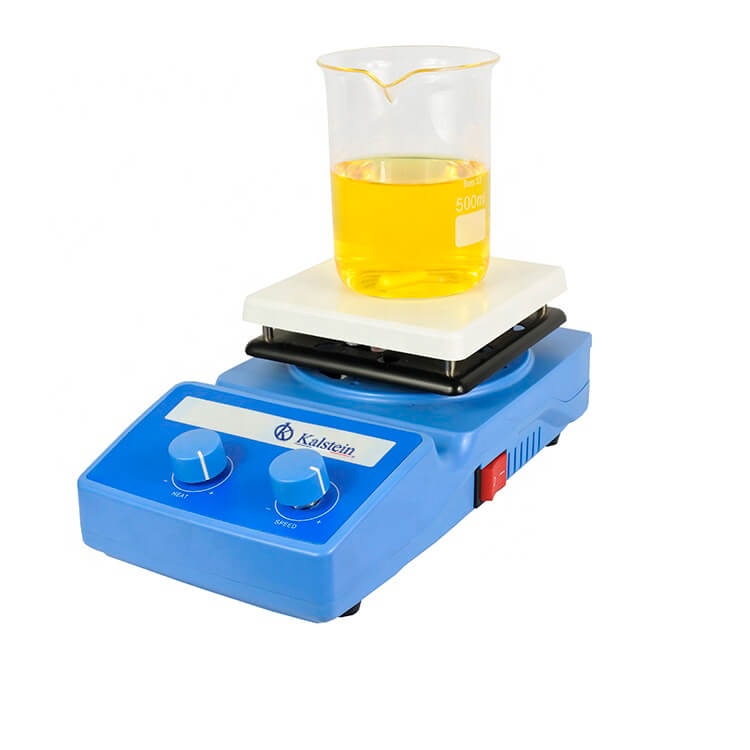
How to Ensure ISO/IEC Compliance with Analog Ceramic Top Hotplate Stirrers
The use of Analog Ceramic Top Hotplate Stirrers in laboratory settings is critical for ensuring compliance with various ISO/IEC standards. These devices are essential for accurate temperature control and mixing in experiments, which are required for reproducibility and reliability of results. This article will explore the specific ISO/IEC standards relevant to these stirrers, focusing on how models like YR02933, YR02934, YR02935, and YR02936 contribute to meeting regulatory requirements.
Understanding ISO/IEC Standards Relevant to Laboratory Equipment
ISO/IEC standards provide guidelines for quality assurance, ensuring that laboratory results are reliable and reproducible. Key standards include ISO 17025, which outlines the requirements for testing and calibration laboratories, and IEC 61010, which specifies safety requirements for electrical equipment used in laboratories. Compliance with these standards is essential for laboratories aiming to maintain their accreditation and assure clients of their commitment to quality.
ISO 17025 and Its Relevance to Hotplate Stirrers
ISO 17025 covers various aspects of laboratory operations, including equipment calibration, traceability of measurements, and method validation. Analog Ceramic Top Hotplate Stirrers like the YR02934, with automatic PID temperature control, allow for precise temperature management. This precision is crucial for meeting the standards required under ISO 17025, ensuring that the temperature remains within the specified range, thus impacting the reliability of experimental results.
IEC 61010 Compliance for Safety Standards
IEC 61010 establishes safety requirements to minimize risks associated with laboratory equipment. For example, the YR02936 model, which operates at a maximum temperature of 400 degrees Celsius, must incorporate safety features to prevent overheating and ensure safe operation. Compliance with IEC 61010 is not only essential for operator safety but also for maintaining laboratory accreditation.
Comparison of Available Models
| Model | ISO/IEC Clauses Covered | Traceability Features | Best For |
|---|---|---|---|
| YR02933 | ISO 17025 | PID Control | Small experiments |
| YR02934 | ISO 17025, IEC 61010 | PID Control | Academic research |
| YR02935 | ISO 17025 | PID Control | Biological studies |
| YR02936 | IEC 61010 | PID Control | High-temperature applications |
Benefits of Using Analog Ceramic Top Hotplate Stirrers for Compliance
Using Analog Ceramic Top Hotplate Stirrers offers several benefits in terms of compliance. These include enhanced temperature stability, which is vital for reproducible results; ease of cleaning, which helps maintain laboratory standards; and the absence of moving parts that can wear out, thereby reducing maintenance costs. Additionally, their ceramic tops are resistant to chemical corrosions, making them suitable for various laboratory environments.
Common Mistakes and How to Avoid Them
One common mistake laboratories make is neglecting regular calibration of their equipment. For example, failing to calibrate a YR02935 stirrer may lead to inaccurate temperature readings, thus compromising experimental integrity. To avoid this, laboratories should establish a routine calibration schedule based on usage frequency and manufacturer recommendations.
Frequently Asked Questions
How do Analog Ceramic Top Hotplate Stirrers ensure compliance with ISO 17025 standards?
Analog Ceramic Top Hotplate Stirrers ensure compliance with ISO 17025 standards by providing precise temperature control, as seen in the YR02934 model, which features PID control for accurate temperature management and stability, essential for reliable test results.
What safety features should I look for in a hotplate stirrer according to IEC 61010?
When selecting a hotplate stirrer, ensure it includes safety features such as over-temperature protection and a sturdy design. The YR02936 model meets IEC 61010 requirements, making it safe for high-temperature applications.
What is the role of PID control in maintaining compliance with laboratory standards?
PID control plays a critical role in maintaining compliance by ensuring consistent temperature settings. For instance, the YR02934 model employs PID control, which helps achieve the precise temperature stability required under ISO 17025 guidelines.
How frequently should Analog Ceramic Top Hotplate Stirrers be calibrated?
Analog Ceramic Top Hotplate Stirrers should be calibrated at least once a year or more frequently based on their usage. For example, the YR02935 model, commonly used in rigorous applications, may require semi-annual calibration to ensure compliance with ISO standards.
Which model of Analog Ceramic Top Hotplate Stirrer is best for academic research?
The YR02934 model is particularly well-suited for academic research, as it complies with multiple ISO standards and offers precise PID temperature control, enhancing the reliability of experimental results.
What maintenance practices can improve the lifespan of hotplate stirrers?
Regular cleaning and calibration, along with a careful inspection of the equipment, can significantly improve the lifespan of hotplate stirrers. The YR02936, with its durable ceramic top, is particularly easy to maintain and clean.
How can I ensure traceability in my laboratory with hotplate stirrers?
Ensuring traceability can be achieved by maintaining records of calibration and usage. Models like YR02933 help in traceability through their automated controls and reliable temperature readings, which are documented during operations.
Conclusion
In conclusion, adhering to ISO/IEC standards is paramount for any laboratory utilizing Analog Ceramic Top Hotplate Stirrers. By selecting models like YR02934, YR02935, and YR02936, laboratories can ensure they meet these regulatory requirements while benefiting from enhanced functionality and safety. Regular calibration, maintenance, and adherence to best practices will further support compliance and operational excellence.
If you are looking for a fusion of innovation and quality, you have come to the right place. At Kalstein, we offer you the luxury of exploring our exclusive catalog of laboratory equipment. We manufacture every device to the highest standards of excellence. Our intuitive and seamless online purchasing channels are designed for your convenience, securing the most competitive prices. Hesitate no longer — we bring science to life, it is time to become part of our community.