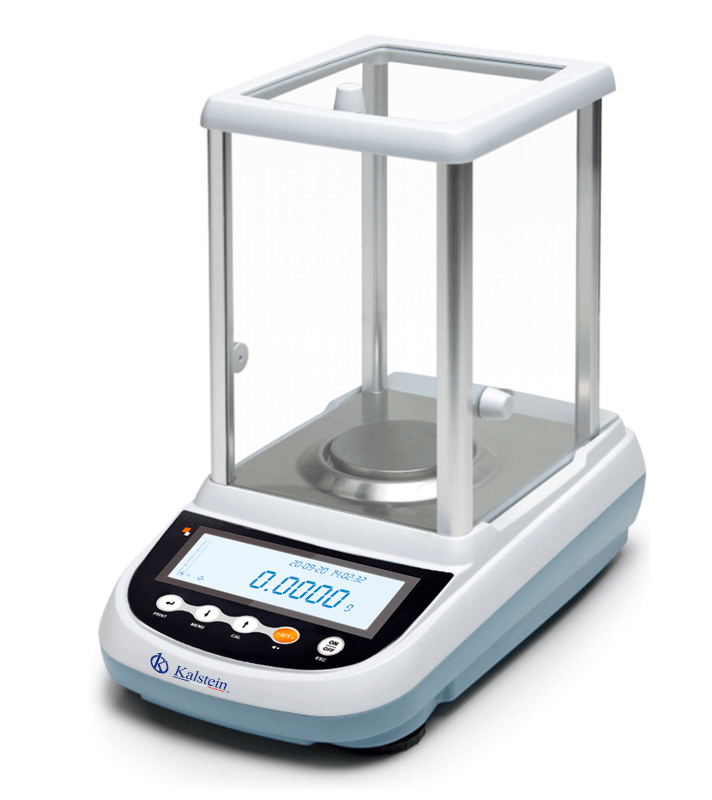
ISO/IEC Compliance and Regulatory Standards for Analytical Balances in Laboratories 2026
The importance of ISO/IEC standards in laboratory operations cannot be overstated, particularly when it comes to analytical balances. These devices are critical for precise measurements in various applications such as pharmaceuticals, food testing, and research. This article will delve into the relevance of ISO/IEC compliance in the context of analytical balances, exploring how different models not only meet regulatory standards but also enhance operational efficiency in 2026.
Understanding ISO/IEC Standards in Laboratory Equipment
ISO (International Organization for Standardization) and IEC (International Electrotechnical Commission) standards provide a framework for ensuring quality, safety, and efficiency in laboratory operations. For analytical balances, key standards such as ISO 17025, which focuses on testing and calibration laboratories, play a pivotal role in ensuring the accuracy and reliability of measurements.
Key ISO/IEC Standards Relevant to Analytical Balances
Compliance with ISO/IEC standards such as ISO 17025 and ISO 15189 is essential for laboratories that use analytical balances. These standards dictate requirements for quality management, technical competence, and reliability of results, which are crucial for laboratory operations. Ensuring that analytical balances adhere to these standards enhances the credibility of laboratory results and recommendations.
How Analytical Balances Meet ISO Standards
Analytical balances such as the YR05568, YR05569, YR05570, YR05571, YR05572, and YR05573 series incorporate features that help laboratories comply with ISO/IEC standards. For instance, these balances come equipped with internal calibration systems that ensure accurate measurements regardless of external conditions, thereby complying with ISO 17025 requirements for calibration and traceability.
Documentation Requirements for Compliance
To meet ISO/IEC standards for analytical balances, laboratories must maintain comprehensive documentation. This includes calibration records, operational procedures, and maintenance logs. Utilizing analytical balances like the YR05570 and YR05573 helps streamline documentation processes due to their integrated data management features, which can facilitate compliance audits.
Traceability and Calibration in Analytical Balances
Traceability is crucial for ensuring the accuracy of measurements in compliance with ISO standards. Analytical balances must be regularly calibrated against traceable standards. Models such as the YR05571 and YR05572 are designed for easy calibration, ensuring ongoing compliance with regulations that require precise and accurate measurements.
Risk Management and Compliance Audits
Laboratories must prepare for compliance audits that assess adherence to ISO/IEC standards. This involves understanding the risk management processes for analytical balances. Regular audits should include checking the calibration accuracy of models like the YR05568 and YR05569, ensuring that they meet the stringent requirements set forth by ISO standards.
Comparison of Available Models
| Model | ISO/IEC Clauses Covered | Traceability Features | Best for |
|---|---|---|---|
| YR05568 | ISO 17025 | Internal Calibration | General Laboratory Use |
| YR05569 | ISO 15189 | Automatic Adjustment | Medical Laboratories |
| YR05570 | ISO 17025 | Traceable Calibration | Research Laboratories |
| YR05571 | ISO 15189 | Integrated Data Management | Quality Control Labs |
| YR05572 | ISO 17025 | Internal/External Calibration | Pharmaceutical Labs |
| YR05573 | ISO 15189 | Calibration Reminder | High Precision Applications |
Common Mistakes and How to Avoid Them
Laboratories often face pitfalls in maintaining compliance with ISO/IEC standards for analytical balances. Common mistakes include improper calibration, inadequate documentation, and failing to train staff adequately. By regularly utilizing models like the YR05570 and ensuring proper training and documentation are in place, labs can avoid these issues and maintain high compliance standards.
Frequently Asked Questions
How do I ensure ISO 17025 compliance for analytical balances in 2026?
To ensure ISO 17025 compliance in 2026, labs should use models like the YR05569 with internal calibration features, maintain thorough documentation, and conduct regular audits to verify measurement accuracy.
What are the calibration requirements for analytical balances under ISO standards?
Calibration requirements for analytical balances under ISO standards, particularly ISO 17025, include routine internal calibration checks, traceable reference weights, and maintaining records of all calibrations for models such as YR05571.
Which analytical balance is best for meeting ISO 15189 requirements?
The YR05572 analytical balance is an excellent choice for meeting ISO 15189 requirements due to its internal calibration and automatic adjustment features, ensuring precise measurements in medical laboratories.
How frequently should analytical balances be calibrated to comply with ISO standards?
Analytical balances should be calibrated at least once a year to comply with ISO standards. Models like the YR05568 are designed for easy calibration to maintain accuracy and compliance throughout the year.
What documentation is needed for ISO compliance in laboratory balances?
Essential documentation for ISO compliance includes calibration logs, maintenance records, and operational procedures. Using balances like the YR05573 facilitates streamlined data management and compliance tracking.
How can I integrate analytical balances with LIMS for better compliance tracking?
Integrating analytical balances like the YR05570 with LIMS involves using standard communication protocols like RS232. This helps automate data collection and ensures real-time compliance tracking.
What are the benefits of internal calibration in analytical balances for laboratories?
Internal calibration systems in analytical balances such as the YR05569 enhance measurement accuracy, reduce user error, and simplify compliance with ISO standards, ensuring reliable results.
How can I train staff effectively on ISO compliance for analytical balances?
Training should focus on understanding ISO regulations, proper calibration techniques, and documentation procedures. Regular workshops can be organized around using models like YR05572 to reinforce compliance practices.
For laboratories looking for an efficient solution to meet ISO/IEC compliance, request a quote on our available analytical balances.
If you are looking for a fusion of innovation and quality, you have come to the right place. At Kalstein, we offer you the luxury of exploring our exclusive catalog of laboratory equipment. We manufacture every device to the highest standards of excellence. Our intuitive and seamless online purchasing channels are designed for your convenience, securing the most competitive prices. Hesitate no longer — we bring science to life, it is time to become part of our community.