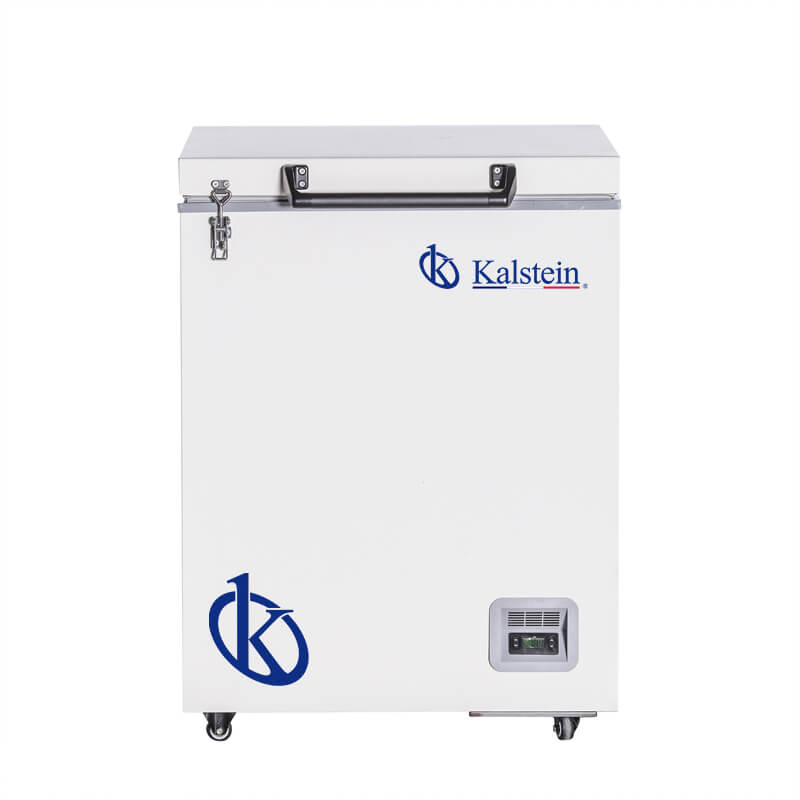
How to Ensure ISO/IEC Compliance with Chest Freezers in Laboratories?
In laboratory environments, especially those handling sensitive biological samples, compliance with ISO/IEC standards is not merely a checkbox but a cornerstone of operational integrity. Chest freezers play an integral role in preserving samples at the required temperatures, making it crucial for laboratories to select models that adhere to these standards. This article will explore various chest freezer models, outlining their features that meet ISO/IEC compliance, and discussing how to manage regulatory requirements effectively.
Understanding ISO/IEC Standards Relevant to Chest Freezers
ISO/IEC standards set the framework for best practices in laboratory operations, including equipment used for sample storage. Key standards relevant to chest freezers include:
- ISO 17025: This standard specifies general requirements for the competence of testing and calibration laboratories, emphasizing the need for controlled environments which chest freezers provide.
- ISO 15189: Focused on medical laboratories, this standard also addresses the need for maintaining the integrity of stored biological samples.
- IEC 61010: Covers safety requirements for electrical equipment used in laboratories, ensuring that chest freezers not only perform well but also safeguard against potential hazards.
Understanding these standards is crucial for lab managers aiming to enhance compliance and ensure their operations meet industry benchmarks.
Comparison of Available Models
| Model | ISO/IEC Clauses Covered | Traceability Features | Best For |
|---|---|---|---|
| YR05102 | ISO 17025, IEC 61010 | Digital monitoring, alarm systems | General laboratory storage |
| YR05103 | ISO 17025, ISO 15189 | Temperature logs, alarm notifications | Clinical labs |
| YR05104 | ISO 17025, IEC 61010 | Temperature monitoring | Research applications |
| YR05314 | ISO 17025, ISO 15189 | Advanced digital display, safety alarms | Biological research |
| YR05313 | ISO 17025 | Temperature alerts, logging | Sample preservation |
| YR05315 | ISO 15189 | Extensive monitoring capabilities | Biomedical research |
Key Features to Look for in Chest Freezers
When selecting chest freezers for laboratory use, consider the following features that enhance compliance with ISO/IEC standards:
- Temperature Range: A range from -10°C to -86°C is ideal for different sample types. For instance, the YR05314 model can reach temperatures as low as -86°C, making it suitable for ultra-low temperature applications.
- Digital Monitoring: Models equipped with digital displays and alarms, such as the YR05103, provide essential data for maintaining compliance with ISO 17025.
- Refrigerant Type: Compliance with environmental standards is critical. Models using R290 as refrigerant, like YR05102, are environmentally friendly and comply with current regulations.
Common Mistakes and How to Avoid Them
Laboratories often overlook critical aspects when selecting chest freezers, leading to compliance issues:
- Neglecting Temperature Validation: Failing to validate the temperature range of the freezer can lead to non-compliance. Regular checks and calibration against ISO standards are essential.
- Ignoring Maintenance Protocols: Proper maintenance schedules should not be ignored. Implementing a preventive maintenance strategy ensures consistent operation and compliance.
- Overlooking Documentation: It is vital to maintain thorough documentation of all compliance-related actions, including temperature logs and maintenance records.
Energy Efficiency and Sustainability Considerations
With increasing scrutiny on energy consumption in laboratories, selecting energy-efficient models is not only a compliance issue but also a sustainability concern. Models like YR05104 have features designed to minimize energy consumption while maintaining performance.
Benefits of ISO/IEC Compliant Chest Freezers
Investing in chest freezers that meet ISO/IEC standards offers significant advantages:
- Enhanced Credibility: Compliance boosts your laboratory's reputation, ensuring clients and stakeholders have confidence in your operations.
- Minimized Risks: By meeting safety standards, you reduce risks associated with equipment failure and sample contamination.
- Operational Efficiency: Efficient models reduce energy costs and improve overall workflow in your laboratory.
Frequently Asked Questions
What are the ISO standards applicable to chest freezers in laboratories?
The applicable ISO standards for chest freezers include ISO 17025 for testing laboratories and ISO 15189 for medical laboratories, ensuring compliance with operational integrity and sample preservation.
How can I verify that a chest freezer meets IEC 61010 safety standards?
To verify compliance with IEC 61010, review the manufacturer's specifications and safety certifications for models like YR05102, which includes built-in safety features and testing results.
Which chest freezer model is best for biological sample storage?
The YR05314 model is particularly suited for biological sample storage due to its ultra-low temperature capability of -86°C, meeting the requirements of labs handling sensitive biological materials.
What are the energy efficiency ratings of the chest freezers covered in this article?
Energy efficiency ratings vary by model, with lower consumption rates noted in models like YR05102, which uses R290 refrigerant, making it both efficient and compliant with environmental standards.
What are the maintenance requirements for ISO-compliant chest freezers?
Regular maintenance should include temperature calibration, alarm testing, and documentation checks to ensure compliance, particularly for models like YR05103, which have digital monitoring features.
How does a chest freezer contribute to regulatory compliance in a laboratory setting?
A chest freezer contributes to regulatory compliance by providing controlled storage conditions, as per ISO 17025, which is vital for maintaining the integrity of laboratory samples.
What documentation is necessary for ISO compliance related to chest freezers?
Documentation should include temperature logs, maintenance records, and compliance verification for models like YR05104 to demonstrate adherence to ISO standards.
How can I assess the ROI of investing in ISO-compliant chest freezers?
ROI can be assessed by calculating reduced energy costs and fewer incidents of sample loss due to non-compliance, particularly for high-performance models like YR05315.
If you are looking for a fusion of innovation and quality, you have come to the right place. At Kalstein, we offer you the luxury of exploring our exclusive catalog of laboratory equipment. We manufacture every device to the highest standards of excellence. Our intuitive and seamless online purchasing channels are designed for your convenience, securing the most competitive prices. Hesitate no longer — we bring science to life, it is time to become part of our community.