ISO/IEC Compliance in COD/BOD Analyzers: Meeting Regulatory Standards in Laboratories
In the dynamic environment of laboratory testing, ensuring compliance with ISO/IEC standards is paramount for maintaining quality and reliability. This article delves into the role of COD/BOD analyzers in achieving regulatory compliance, detailing the benefits, challenges, and practical solutions for laboratory professionals.
Understanding ISO/IEC Standards Relevant to COD/BOD Analyzers
ISO/IEC standards cover a wide array of requirements that laboratory equipment must meet to ensure accuracy and reliability. Key standards such as ISO 17025 focus on the competence of testing and calibration laboratories, while ISO 15189 addresses quality and competence in medical laboratories. For COD/BOD analyzers, adhering to these standards guarantees that the data produced is accurate and accepted by regulatory bodies.
Importance of Regulatory Compliance in Laboratory Settings
Compliance with ISO/IEC regulations not only enhances the credibility of laboratory results but also minimizes the risk of operational disruptions due to non-conformance. By using compliant COD/BOD analyzers, laboratories can ensure their methodologies are standardized, thereby fostering trust with clients and regulatory agencies alike.
Key Features of COD/BOD Analyzers That Facilitate Compliance
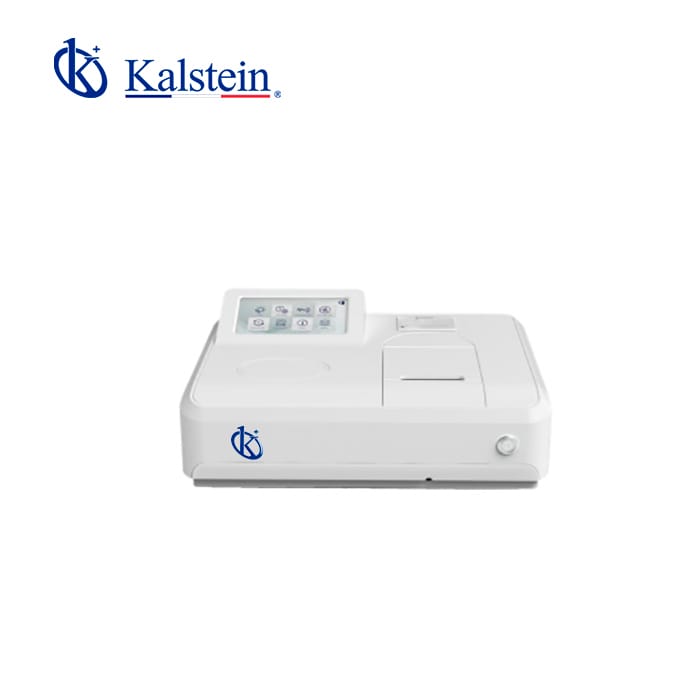
Modern COD/BOD analyzers like the YR06295 and YR06296 offer features specifically designed to meet various ISO/IEC standards. For instance, the YR06295 employs quick digestion spectrophotometry, allowing laboratories to achieve rapid and reliable oxygen demand measurements. Similarly, the portable YR06296 enhances field usage while ensuring accurate readings through its user-friendly interface.
Comparison of Available Models
| Model | ISO/IEC Clauses Covered | Traceability Features | Best For |
|---|---|---|---|
| YR06295 | ISO 17025 | Integrated standard curve | Laboratories requiring high throughput |
| YR06296 | ISO 17025 | Customizable calibration curves | Field testing scenarios |
| YR06297 | ISO 15189 | Real-time data logging | High-precision BOD testing |
| YR06298 | IEC 61010 | Smart storage of digestion programs | Multi-sample processing |
Documentation Requirements for ISO/IEC Compliance
Proper documentation is essential for compliance with ISO/IEC standards. Laboratories must maintain detailed records of testing procedures, calibration, maintenance, and audit trails pertaining to the use of COD/BOD analyzers. For instance, the YR06295 provides automated logging of results, which can simplify record-keeping and ensure that data integrity is maintained.
Common Mistakes and How to Avoid Them
One common mistake made by laboratories is the lack of a structured calibration schedule. It is crucial to define frequency and procedures for calibrating COD/BOD analyzers to avoid deviations in test results. Additionally, ensure that staff are trained on the specific ISO/IEC compliance standards relevant to the equipment they are using.
Ensuring Traceability in COD/BOD Testing
Traceability is a cornerstone of compliance, allowing laboratories to track the origin and history of their measurements. Models like the YR06296 provide customizable calibration curves that can be tailored to specific measurement requirements, ensuring every result is traceable back to standardized references.
Best Practices for Implementing Compliance Protocols
Implementing compliance protocols involves integrating standard operating procedures (SOPs) that align with ISO/IEC standards within the laboratory. Regular training sessions for staff on these protocols and conducting internal audits can foster a culture of compliance, ensuring that the laboratory adheres to its quality management systems.
Frequently Asked Questions
How can COD analyzers ensure compliance with ISO 17025 standards?
The YR06295 COD Analyzer is designed with automatic logging and high-precision measurement techniques that ensure compliance with ISO 17025 standards. By employing this advanced model, laboratories can streamline their quality control processes and maintain the accuracy required for regulatory compliance.
What documentation is required for ISO compliance in BOD testing?
Documentation for ISO compliance in BOD testing, such as with the YR06297 BOD Analyzer, includes records of calibration, maintenance logs, and validation of methods used. This ensures that all aspects of the testing process are traceable and adhere to ISO 15189 standards.
Which features of COD analyzers help in meeting regulatory standards?
Features such as customizable calibration curves and real-time data logging in models like the YR06296 facilitate meeting regulatory standards. These functionalities help maintain accuracy and traceability, which are crucial for compliance with ISO/IEC regulations.
What are the key ISO/IEC standards for laboratory analyzers?
Key standards include ISO 17025, focusing on testing and calibration, and ISO 15189, which pertains to medical laboratories. Compliance with these standards is essential for ensuring the accuracy and reliability of results obtained from COD/BOD analyzers like the YR06295.
How often should COD/BOD analyzers be calibrated for compliance?
Calibration frequency for COD/BOD analyzers should be based on manufacturer recommendations and regulatory requirements, typically every six months to ensure ongoing compliance with standards like ISO 17025. Regular calibration of models such as the YR06295 is necessary to maintain precise measurements.
What are the consequences of non-compliance with ISO standards in laboratories?
Non-compliance with ISO standards can lead to inaccurate results, legal repercussions, and loss of accreditation. It is vital for laboratories using COD/BOD analyzers like the YR06296 to adhere to these standards to avoid such risks.
How can I ensure my laboratory is compliant with ISO/IEC standards?
To ensure compliance, laboratories should implement structured SOPs, maintain detailed documentation, and conduct regular training for staff on standards and procedures. Using ISO-compliant COD/BOD analyzers like the YR06297 can also enhance compliance efforts.
What is the role of traceability in laboratory compliance?
Traceability in laboratory compliance ensures that results can be traced back to reference materials or standards. Using analyzers like the YR06298 that incorporate advanced tracking features helps laboratories maintain the required traceability, essential for compliance with ISO/IEC standards.
If you are looking for a fusion of innovation and quality, you have come to the right place. At Kalstein, we offer you the luxury of exploring our exclusive catalog of laboratory equipment. We manufacture every device to the highest standards of excellence. Our intuitive and seamless online purchasing channels are designed for your convenience, securing the most competitive prices. Hesitate no longer — we bring science to life, it is time to become part of our community.