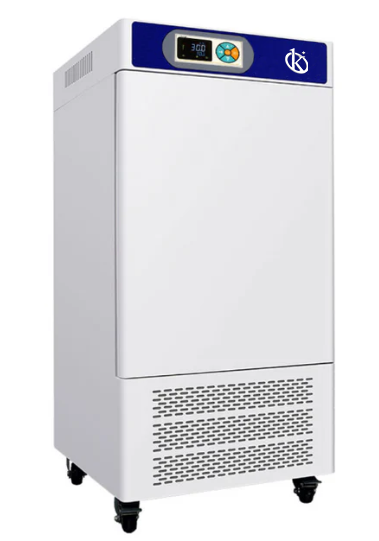
How to Ensure ISO/IEC Compliance with Constant Temperature and Humidity Incubators?
In laboratory environments, the importance of adhering to ISO/IEC standards cannot be overstated. Constant Temperature and Humidity incubators play a crucial role in ensuring that experiments are conducted under controlled conditions, which is vital for compliance. This article will explore how specific models of Constant Temperature and Humidity incubators can help laboratories achieve and maintain ISO/IEC compliance.
Understanding ISO/IEC Standards in Laboratory Settings
ISO (International Organization for Standardization) and IEC (International Electrotechnical Commission) have established various standards that laboratories must comply with to ensure quality, reliability, and safety in their operations. Among these, ISO 17025 and ISO 15189 are particularly relevant, providing frameworks for quality management systems and technical competence.
The essence of these standards is to ensure that laboratories produce valid and reliable results, which is contingent upon the proper functioning of laboratory equipment, including Constant Temperature and Humidity incubators. These incubators ensure stable environmental conditions, which are critical for reproducibility in experiments.
Features to Look for in Constant Temperature and Humidity Incubators
When selecting a Constant Temperature and Humidity incubator, certain features are vital for compliance with ISO/IEC standards:
- Temperature and Humidity Control: The incubator must maintain consistent temperature and humidity levels.
- Calibration Capabilities: Ability to be calibrated and verified against traceable standards.
- Data Logging: Integrated data logging for tracking environmental parameters over time.
- Accessibility to Maintenance: Features that facilitate easy maintenance and calibration.
Comparison of Available Models
| Model | ISO/IEC Clauses Covered | Traceability Features | Best For |
|---|---|---|---|
| YR02053 | ISO 17025, ISO 15189 | Built-in calibration options | Environmental protection studies |
| YR02054 | ISO 17025, ISO 15189 | Automated data logging | Pharmaceutical testing |
| YR02055 | ISO 17025, ISO 15189 | Real-time monitoring | Biological research |
Regulatory Compliance and Calibration
Calibration is a crucial aspect of ensuring compliance with ISO/IEC standards. Each model must be calibrated regularly, with documented procedures that detail the calibration process, frequency, and results. For instance, the YR02055 model’s built-in features allow for real-time monitoring and logging, simplifying the traceability and audit processes necessary for compliance.
Laboratories should develop a calibration schedule that adheres to the recommended calibration intervals, ensuring that each incubator is functioning within specified limits to meet ISO 17025 and ISO 15189 requirements.
Best Practices for Documentation
Documentation supports compliance efforts by providing evidence of proper operation and maintenance. This includes:
- Operational Logs: Detailed logs of all operations, including temperature, humidity, and maintenance activities.
- Calibration Records: Documentation of calibration processes, including dates, results, and any corrective actions taken.
- Training Records: Keeping records of operator training regarding the proper use and maintenance of the incubators.
Common Mistakes and How to Avoid Them
Laboratories often encounter specific pitfalls that can jeopardize compliance:
- Neglecting Regular Maintenance: Failing to perform scheduled maintenance can lead to equipment malfunction, affecting compliance.
- Inadequate Documentation: Poor record-keeping can complicate audits and compliance verification.
- Ignoring Calibration Standards: Not aligning calibration practices with ISO/IEC standards can result in non-compliance.
Frequently Asked Questions
How do Constant Temperature and Humidity incubators help achieve ISO 17025 compliance?
Constant Temperature and Humidity incubators, such as the YR02053, support ISO 17025 compliance by ensuring stable environmental conditions crucial for reliable test results. Their built-in calibration options and data logging capabilities facilitate adherence to the standards.
What are the key features of the YR02054 incubator for regulatory compliance?
The YR02054 incubator features automated data logging and robust temperature control, which are essential for maintaining compliance with ISO 15189. Its documentation capabilities allow for easy tracking of performance and adherence to regulatory standards.
How often should calibration be performed on laboratory incubators?
Calibration should be performed according to manufacturer recommendations and ISO standards, typically every 6 to 12 months. For models like the YR02055, regular calibration ensures consistent performance and compliance with ISO 17025.
What documentation is necessary for maintaining ISO compliance with incubators?
Documentation for ISO compliance includes operational logs, calibration records, and maintenance schedules. For the YR02054 incubator, maintaining comprehensive documentation is vital for demonstrating compliance during audits.
What are the consequences of non-compliance with ISO/IEC standards?
Non-compliance can result in loss of accreditation, legal penalties, and compromised laboratory integrity. Ensuring that incubators like the YR02053 meet ISO standards is crucial for maintaining laboratory reputation and operational efficiency.
How can laboratories ensure the reliability of their incubator data?
Laboratories can ensure reliability by utilizing incubators such as the YR02055, which feature real-time monitoring and automated data logging. Regular calibration and maintenance further enhance data integrity.
What are the best practices for training staff on incubator usage?
Training should cover operational protocols, maintenance procedures, and compliance requirements. Conducting regular training sessions for staff using models like the YR02054 ensures that everyone understands the importance of compliance and efficient use of equipment.
How do data logging features impact compliance audits?
Data logging features, such as those in the YR02053 incubator, significantly streamline compliance audits by providing a comprehensive record of operational data. This transparency supports adherence to ISO/IEC standards and simplifies the verification process during audits.
If you are looking for a fusion of innovation and quality, you have come to the right place. At Kalstein, we offer you the luxury of exploring our exclusive catalog of laboratory equipment. We manufacture every device to the highest standards of excellence. Our intuitive and seamless online purchasing channels are designed for your convenience, securing the most competitive prices. Hesitate no longer — we bring science to life, it is time to become part of our community.