Achieving ISO/IEC Compliance with Hematology Analyzers: A Comprehensive Guide
In the ever-evolving landscape of laboratory diagnostics, achieving ISO/IEC compliance is essential for hematology laboratories. This guide focuses on the application of ISO/IEC standards in relation to hematology analyzers, specifically examining how various models can help laboratories meet regulatory requirements effectively. By understanding these specifications, labs can enhance their operational efficiency while ensuring reliability and accuracy in blood analysis.
Understanding ISO/IEC Standards in Hematology
Compliance with ISO/IEC standards is crucial for laboratories, particularly those that handle hematological testing. ISO 17025 sets the general requirements for the competence of testing and calibration laboratories. It emphasizes the importance of governance, quality control, and traceability. Additionally, ISO 15189 specifies requirements for quality and competence in medical laboratories, ensuring that the hematology analyzers utilized meet high-quality standards.
Comparative Analysis: Key ISO/IEC Regulations
Laboratories must consider various ISO/IEC regulations when selecting hematology analyzers. For instance, ISO 15189 outlines the specifications for patient care quality, while IEC 61010 focuses on safety requirements for electrical equipment in laboratories. Understanding these regulations not only aids in compliance but also enhances the reliability of laboratory processes.
Hematology Analyzers and ISO/IEC Compliance
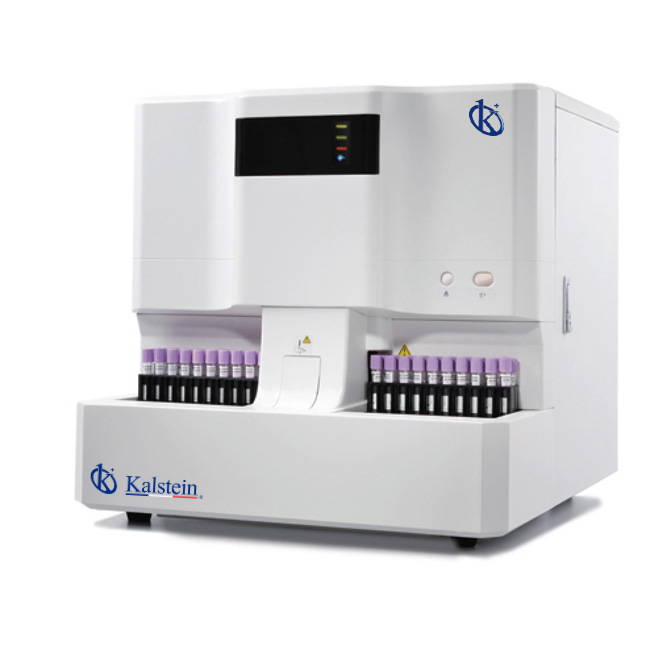
Hematology analyzers, such as the Automatic Hematology Analyzer YR06080, are designed to meet stringent ISO/IEC standards. This model offers capabilities that fulfill multiple ISO clauses, ensuring effective compliance with regulatory requirements. Analyzers like the YR05123 and YR05122-1 also provide essential features that enhance traceability and accuracy, critical factors in meeting ISO standards.
Comparison of Available Models
| Model | ISO/IEC Clauses Covered | Traceability Features | Best For |
|---|---|---|---|
| YR06080 | ISO 17025, ISO 15189 | Full sample traceability and real-time data recording | High-demand environments |
| YR05123 | ISO 15189 | Calibrated accuracy with traceable standards | Routine and emergency testing |
| YR05122-1 | ISO 17025 | Audit trails and data integrity features | Research laboratories |
| YR05122 | ISO 15189 | Integrated quality control measures | Small to medium-sized labs |
| YR05121 | IEC 61010 | Automated report generation for compliance | Clinical laboratories |
| YR05120 | ISO 17025, ISO 15189 | Real-time performance tracking | High-throughput labs |
Common Mistakes and How to Avoid Them
Laboratories often overlook crucial aspects of ISO/IEC compliance, such as neglecting thorough documentation processes or failing to implement proper calibration protocols. Regular audits and a well-structured quality management system can mitigate these risks. Utilizing analyzers with built-in compliance features, like the YR06080, ensures that laboratories remain aligned with regulatory frameworks.
Key Features for Compliance
When evaluating hematology analyzers for compliance, focus on features such as automated quality control, traceable test results, and comprehensive record-keeping capabilities. Models like the YR05123 and YR05122-1 excel in these areas by providing tools that simplify adherence to ISO/IEC standards.
Documentation Requirements for ISO/IEC Compliance
Accurate documentation is pivotal for compliance. Laboratories must maintain detailed records of calibration, maintenance, and testing procedures. The chosen hematology analyzer should facilitate seamless documentation processes to ensure that all necessary records are easily accessible and securely stored.
Audit Checklists for Hematology Analyzers
Creating an audit checklist tailored to your hematology analyzer can enhance compliance adherence. Include items such as calibration frequency, maintenance logs, and quality control checks. Regularly reviewing this checklist ensures that your lab consistently meets ISO/IEC standards.
Integration of Technology in Compliance
Modern hematology analyzers integrate technology that streamlines compliance with ISO/IEC standards. Features such as connectivity to Laboratory Information Management Systems (LIMS) allow for efficient data management and regulatory compliance tracking. Ensuring your chosen model supports these technologies is key to maintaining compliance.
Frequently Asked Questions
How do hematology analyzers help achieve ISO 17025 compliance?
The Automatic Hematology Analyzer YR06080 helps achieve ISO 17025 compliance by ensuring accurate measurements and automated quality control processes, enabling laboratories to maintain the required standards effectively.
What are the key ISO standards relevant to hematology analyzers?
ISO 17025 and ISO 15189 are key standards for hematology analyzers. These standards ensure laboratories provide reliable results and maintain the quality management system necessary for regulatory compliance.
Which hematology analyzer is best for ISO 15189 compliance?
The Automatic Hematology Analyzer YR05123 is ideal for ISO 15189 compliance due to its advanced quality control features and ability to deliver accurate results in high-demand laboratory settings.
How often should calibration be performed on hematology analyzers?
Calibration of hematology analyzers like the YR05122-1 should be performed according to the manufacturer's guidelines, typically at least once a month, to ensure ongoing compliance with ISO 17025 standards.
What documentation is necessary for compliance with ISO/IEC regulations?
Laboratories must maintain documentation including calibration records, maintenance logs, and testing procedures. This ensures compliance with ISO 17025 and ISO 15189 when using hematology analyzers like the YR05122.
What role does traceability play in laboratory compliance?
Traceability is crucial for laboratory compliance, ensuring that all test results can be verified against recognized standards. Hematology analyzers, such as the YR06080, provide robust traceability features to support this need.
How can laboratories ensure ongoing compliance with ISO standards?
Laboratories can ensure ongoing compliance by regularly auditing their processes, investing in compliant hematology analyzers like the YR05123, and maintaining thorough documentation of procedures and results.
What measures can be implemented to enhance audit readiness?
To enhance audit readiness, laboratories should implement regular quality checks, maintain detailed logs, and utilize analyzers that support compliance features, such as the YR05122-1, to streamline documentation processes.
If you are looking for a fusion of innovation and quality, you have come to the right place. At Kalstein, we offer you the luxury of exploring our exclusive catalog of laboratory equipment. We manufacture every device to the highest standards of excellence. Our intuitive and seamless online purchasing channels are designed for your convenience, securing the most competitive prices. Hesitate no longer — we bring science to life, it is time to become part of our community.