How to Ensure ISO/IEC Compliance with Horizontal Autoclaves
In the modern laboratory environment, compliance with ISO/IEC standards is crucial for ensuring safe, effective, and reliable results. This article delves into the compliance requirements and explores how different models of horizontal autoclaves can assist in meeting these stringent regulations. By understanding the specific standards such as ISO 17025 and ISO 15189, laboratory professionals can enhance their operational protocols and ultimately improve service delivery.
Understanding ISO/IEC Standards Relevant to Laboratories
ISO/IEC standards serve as the backbone for laboratory operations worldwide. Key standards like ISO 17025 outline the requirements for laboratories to demonstrate their competence in testing and calibration. These standards focus on quality management systems, ensuring that laboratories produce valid and reliable results. Another critical standard is ISO 15189, specific to medical laboratories, which focuses on the quality and competence of medical laboratories.
How Horizontal Autoclaves Assist in Meeting Compliance
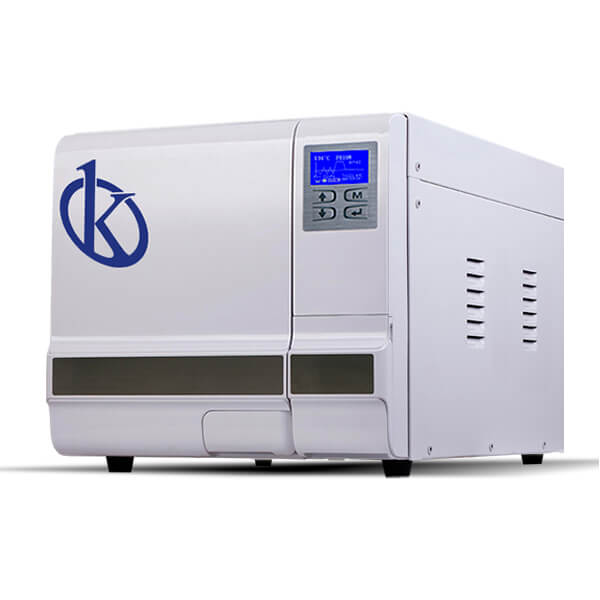
Horizontal autoclaves, particularly Class B models, offer advanced features necessary for compliance with ISO/IEC standards. The pre-vacuum triple fractionated method used in these autoclaves ensures thorough sterilization, which is vital for maintaining laboratory safety and compliance. Models like the Class B Table Autoclave YR03387 provide automatic cycles and precise control over pressure and temperature, which are essential for meeting the legal requirements outlined in ISO standards.
Comparison of Available Models
| Model | ISO/IEC Clauses Covered | Traceability Features | Best For |
|---|---|---|---|
| YR03387 | ISO 17025, ISO 15189 | Automated records | Small labs |
| YR03388 | ISO 17025, ISO 15189 | Automated logs | Beauty and veterinary |
| YR03389 | ISO 17025 | Traceable cycles | Medical applications |
| YR03390 | ISO 17025 | Full data tracking | Research labs |
| YR03385C | ISO 17025, ISO 15189 | Digital traceability | High-volume labs |
| YR03385B | ISO 17025 | Integrated tracking | Medium labs |
Key ISO/IEC Clauses and Compliance Requirements
Understanding the specific clauses of ISO/IEC standards is essential for compliance. For instance, ISO 17025 emphasizes the importance of quality control, requiring laboratories to implement a robust quality management system. Compliance with such standards is not just about following procedures; it involves a comprehensive understanding of how equipment, such as the horizontal autoclaves, can facilitate compliance through their operational protocols.
Auditing and Documentation for Compliance
Regular audits are a critical component of ISO/IEC compliance. Laboratories using horizontal autoclaves must maintain meticulous records of sterilization cycles, temperatures, and pressures. Models like the Class B Table Autoclave YR03389 are equipped with systems that automatically log data, making it easier to generate necessary reports for regulatory compliance.
Traceability and Control in Laboratory Processes
Traceability of results is paramount in laboratories. Compliance with ISO/IEC standards requires that all processes are documented and results can be traced back through each stage of testing. The advanced tracking features in models like YR03385C ensure that operators can provide comprehensive documentation, helping to fulfill these regulatory needs.
Common Mistakes and How to Avoid Them
Laboratories often make critical errors when it comes to maintaining compliance. Common mistakes include inadequate documentation, improper calibration of equipment, and failure to adhere to standard operating procedures (SOPs). Avoiding these pitfalls involves rigorous training and continuous monitoring of compliance protocols. Utilizing well-equipped devices like horizontal autoclaves can simplify adherence to these complex requirements.
Frequently Asked Questions
How does the Class B Table Autoclave YR03387 ensure ISO 17025 compliance?
The Class B Table Autoclave YR03387 meets ISO 17025 compliance by providing automated sterilization cycles and precise temperature control, ensuring that all testing equipment is sterilized according to regulatory standards.
What are the traceability features of Class B Table Autoclave YR03390?
The Class B Table Autoclave YR03390 includes full data tracking capabilities, allowing for complete traceability of every sterilization cycle, essential for maintaining compliance with ISO/IEC regulations.
Which horizontal autoclave is best for small laboratories seeking ISO compliance?
The Class B Table Autoclave YR03387 is ideal for small laboratories, offering compact size and features that help meet ISO compliance requirements, particularly for personal service sectors such as beauty and veterinary.
How can Class B Table Autoclave YR03388 support compliance in veterinary practices?
The Class B Table Autoclave YR03388 supports compliance in veterinary practices by automating sterilization processes, ensuring that instruments meet strict health regulations as outlined in ISO/IEC standards.
What are the common compliance pitfalls in using horizontal autoclaves?
Common pitfalls include inadequate cycle validation and failure to maintain accurate records. Using models like the Class B Table Autoclave YR03389 can mitigate these issues through built-in data logging and compliance tracking features.
How does the YR03385C model enhance laboratory compliance with ISO standards?
The YR03385C model enhances compliance by offering a precise control system and comprehensive documentation features that align with ISO 17025 requirements, making it suitable for high-volume labs.
What role do automated logs play in ISO/IEC compliance?
Automated logs play a crucial role in ISO/IEC compliance by providing accurate, real-time data on sterilization processes, which is essential for audits and demonstrating adherence to standards.
How can I assess the return on investment for integrating a Class B autoclave?
To assess the ROI for integrating a Class B autoclave, calculate the cost savings from reduced cycle times and increased productivity against the initial investment, typically seen within months of operation.
If you are looking for a fusion of innovation and quality, you have come to the right place. At Kalstein, we offer you the luxury of exploring our exclusive catalog of laboratory equipment. We manufacture every device to the highest standards of excellence. Our intuitive and seamless online purchasing channels are designed for your convenience, securing the most competitive prices. Hesitate no longer — we bring science to life, it is time to become part of our community.