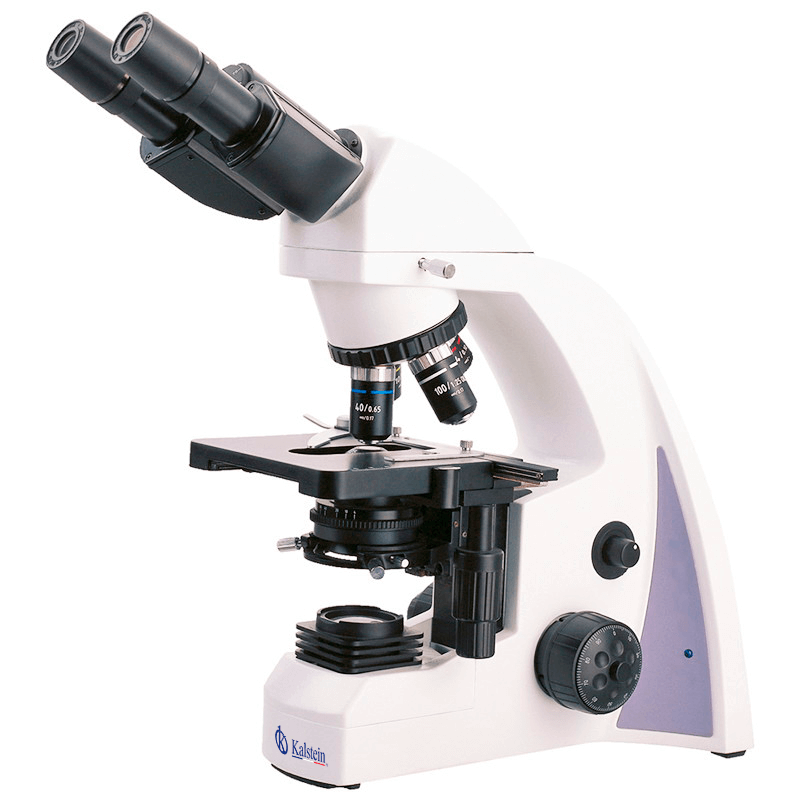
How to Ensure ISO/IEC Compliance in Laboratory Microscope Use
In laboratory settings, adhering to ISO/IEC standards is crucial for ensuring the reliability and accuracy of results. This article delves into the importance of compliance within the context of laboratory microscopes. Specifically, we will explore various models of laboratory microscopes, their specifications, and how they align with ISO/IEC norms for regulatory compliance.
Understanding ISO/IEC Norms and Their Importance
ISO (International Organization for Standardization) and IEC (International Electrotechnical Commission) develop standards that ensure quality, safety, and efficiency in laboratory practices. Compliance with these standards minimizes risks and enhances the credibility of laboratory results. Understanding the specific standards applicable to laboratory microscopes is essential for maintaining regulatory compliance.
Key ISO/IEC Standards Relevant to Laboratory Microscopes
Several ISO/IEC standards directly impact the operation and use of laboratory microscopes. Among these, ISO 17025 stands out, focusing on the competence of testing and calibration laboratories. Additionally, IEC 61010 outlines safety requirements for electrical equipment used in measurement, control, and laboratory environments. Adhering to these standards not only ensures compliance but also fosters trust in laboratory results.
Compliance Checklists for Laboratory Microscopes
Developing a compliance checklist is a practical approach to ensure regulatory adherence. This checklist should include key areas such as equipment calibration, maintenance schedules, operator training requirements, and documentation practices. Regular audits using this checklist can help identify areas for improvement and ensure continuous compliance with ISO/IEC standards.
Documentation and Traceability Requirements
Documentation is a vital component of compliance. Laboratories must maintain records of calibration, maintenance, and operator training to demonstrate adherence to ISO/IEC standards. Traceability of results back to recognized standards is also essential, ensuring that laboratory results can be verified and trusted. Implementing a robust documentation system is critical for achieving compliance.
Comparison of Available Models
| Model | ISO/IEC Clauses Covered | Traceability Features | Best For |
|---|---|---|---|
| YR0237-0-1 | ISO 17025 | Digital calibration records | Routine laboratory analysis |
| YR0237-1 | IEC 61010 | Manual logging of maintenance | Educational use |
| YR0237-1-1 | ISO 15189 | Automated calibration tracking | Clinical diagnostics |
| YR03731-1 | ISO/IEC 17050 | Traceable pipetting results | Fluid handling in research |
| YR03731-2 | ISO 9001 | Quality assurance logs | General laboratory use |
| YR03731-3 | ISO 17025 | Integration with LIMS | Complex experimental setups |
Common Mistakes and How to Avoid Them
Many laboratories face challenges in maintaining compliance with ISO/IEC standards. Common mistakes include inadequate documentation, failure to calibrate equipment regularly, and not keeping staff trained on compliance procedures. To avoid these pitfalls, laboratories should establish a culture of compliance, conduct regular training sessions, and implement a well-structured documentation system.
Best Practices for Meeting ISO/IEC Standards
Implementing best practices in laboratory management is key to achieving and maintaining ISO/IEC compliance. Laboratories are encouraged to develop standard operating procedures (SOPs) that align with ISO/IEC norms. Additionally, continuous education and training programs for staff can enhance understanding and adherence to compliance requirements.
Frequently Asked Questions
How can I ensure my laboratory microscope meets ISO 17025 requirements?
To ensure your laboratory microscope, such as the YR0237-0-1, meets ISO 17025 requirements, focus on maintaining detailed calibration records, conducting regular equipment checks, and ensuring that operators are properly trained. Document all procedures meticulously to demonstrate compliance during audits.
What are the key IEC standards that affect laboratory microscope safety?
IEC 61010 is a primary standard affecting laboratory microscope safety, detailing requirements for electrical safety and performance. For example, the YR0237-1 adheres to this standard, ensuring safe operation in laboratory settings where electrical equipment is used.
What documentation is necessary for compliance with ISO 15189 in microscopy?
Documentation for compliance with ISO 15189 includes maintaining records of all calibration activities and operator training. The YR0237-1-1 model, known for its automated calibration tracking, simplifies this process by integrating these records into an electronic system.
How often should laboratory microscopes be calibrated to meet compliance?
Laboratory microscopes should typically be calibrated annually to meet compliance standards, but this may vary based on usage frequency. For instance, models like YR03731-3 can include integrated calibration reminders to ensure adherence to this schedule.
Which laboratory microscope model is best for educational purposes with compliance standards?
The YR0237-1 is an excellent choice for educational settings, as it meets IEC 61010 safety standards and provides a user-friendly experience while allowing instructors to demonstrate compliance practices effectively.
How can I implement traceability in my laboratory with microscopes?
Implementing traceability in your laboratory can involve using models like the YR03731-1 that offer traceable pipetting results and integrating these with your existing laboratory management systems to ensure all results can be traced back to standard references.
What role does operator training play in maintaining ISO compliance?
Operator training is crucial in maintaining ISO compliance as it ensures that staff are aware of standards, practices, and operating procedures. Regular training sessions should be held to keep knowledge up to date and reinforce the importance of compliance in using models like the YR0237-0-1.
How can I assess the compliance of my laboratory microscope with regulatory standards?
To assess compliance, conduct regular audits focusing on documentation, calibration records, and adherence to safety standards. Using a model like the YR0237-1-1 can aid in this process, as its features support compliance tracking.
If you are looking for a fusion of innovation and quality, you have come to the right place. At Kalstein, we offer you the luxury of exploring our exclusive catalog of laboratory equipment. We manufacture every device to the highest standards of excellence. Our intuitive and seamless online purchasing channels are designed for your convenience, securing the most competitive prices. Hesitate no longer — we bring science to life, it is time to become part of our community.