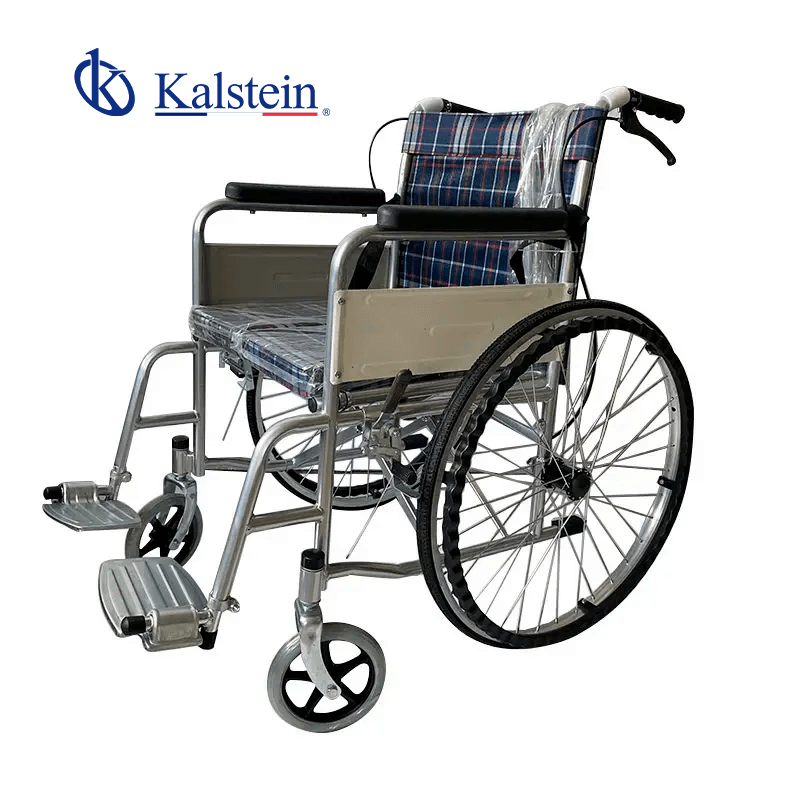
Ensuring ISO/IEC Compliance in Manual Wheelchairs: A Regulatory Guide
In the realm of healthcare and rehabilitation, ISO/IEC compliance is critical for ensuring that manual wheelchairs meet safety, quality, and performance standards. This article delves into the significance of these standards in the context of manual wheelchairs, examining specific models and how they align with regulatory requirements.
Understanding ISO/IEC Standards for Manual Wheelchairs
ISO standards are internationally recognized benchmarks aimed at ensuring quality, safety, and efficiency across various products and services. For manual wheelchairs, compliance with ISO/IEC standards signifies that the product adheres to stringent safety protocols and performance metrics. Key standards include:
- ISO 7176: Focused on the safety and performance of wheelchairs, including testing methods for durability and stability.
- ISO 13485: A standard for quality management systems within medical devices, ensuring continuous improvement and customer satisfaction.
- IEC 60601: Relates to the safety and essential performance of medical electrical equipment, relevant when wheelchairs include electrical components.
Model Comparison: Meeting ISO/IEC Compliance
To illustrate how various manual wheelchair models conform to ISO/IEC standards, we provide a comparison table. Each model is evaluated based on specific compliance features, intended use, and technical specifications.
| Model Code | ISO/IEC Clauses Covered | Traceability Features | Best For |
|---|---|---|---|
| YR05450 | ISO 7176, ISO 13485 | Built-in documentation for compliance | Durability testing in clinical settings |
| YR05451 | ISO 13485, IEC 60601 | Traceable production history | Home and institutional use |
| YR05456 | ISO 7176, IEC 60601 | Documented quality control measures | Patients requiring adjustable support |
| YR05452 | ISO 7176, ISO 13485 | Compliance records available | Travel adaptability |
| YR05454 | ISO 13485, IEC 60601 | Serial number traceability | Heavy-duty applications |
| YR05453 | ISO 7176, IEC 60601 | Compliance certification included | Long-term residential care |
Regulatory Compliance: Why It Matters
Adhering to ISO/IEC standards is not merely a bureaucratic requirement; it is essential for ensuring patient safety and product reliability in manual wheelchairs. Compliance helps manufacturers:
- Minimize risks associated with product failures.
- Ensure that products meet the specific needs of diverse user populations.
- Facilitate smoother market entry and acceptance in healthcare settings.
Common Mistakes and How to Avoid Them
In the pursuit of ISO/IEC compliance, organizations often make critical errors that can jeopardize their product approval and marketability. Common mistakes include:
- Neglecting Documentation: Ensure comprehensive documentation that aligns with regulatory requirements, including test results and design specifications.
- Ignoring User Feedback: Failing to incorporate user experiences can lead to products that do not meet real-world needs.
- Underestimating Testing Requirements: Rigorously test for durability, safety, and performance before market introduction.
Exploring the Compliance Pathways for Manual Wheelchairs
The journey to achieving ISO/IEC compliance involves several critical stages:
- Initial Assessment: Evaluate existing designs against ISO/IEC standards.
- Testing and Documentation: Conduct necessary tests and document results comprehensively.
- Stakeholder Review: Engage with stakeholders for feedback on design and functionality.
- Final Compliance Verification: Ensure all standards are met before launching the product.
Impact of Technology Advancements on Compliance
Technological advancements have significantly influenced compliance processes within the manual wheelchair sector. Innovations in materials and design, such as lightweight alloys and ergonomic adjustments, enhance user experience while supporting compliance with relevant standards. Furthermore, data collection through smart technologies can assist in maintaining ongoing compliance.
Frequently Asked Questions
How do I ensure my manual wheelchair meets ISO 7176 standards?
To ensure your manual wheelchair, such as the YR05450, meets ISO 7176 standards, conduct thorough testing for stability and durability, and maintain documentation that outlines compliance with these standards.
What are the key ISO standards for manual wheelchair compliance?
The key ISO standards for manual wheelchairs include ISO 7176 for performance and safety, and ISO 13485 for quality management systems, both of which are crucial for ensuring product reliability.
How can I verify the compliance of a manual wheelchair model?
You can verify a manual wheelchair model's compliance, like the YR05451, by reviewing its certification documents, which should detail its adherence to relevant ISO/IEC standards and testing results.
What features contribute to regulatory compliance in manual wheelchairs?
Features that contribute to regulatory compliance include traceability of materials, safety testing results, and adherence to ISO/IEC clauses, as seen in models such as the YR05456 and YR05452.
Where can I find documentation for ISO 13485 compliance in wheelchairs?
Documentation for ISO 13485 compliance can typically be requested from the manufacturer or supplier, ensuring that the manual wheelchair meets quality management standards, as with the YR05454 and YR05453 models.
What benefits do compliant manual wheelchairs offer to users?
Compliant manual wheelchairs, like the YR05450, provide enhanced safety, durability, and performance, minimizing risks for users and ensuring optimal functionality in various environments.
How can I improve my wheelchair design to meet ISO standards?
Improving wheelchair design to meet ISO standards involves rigorous testing, user feedback incorporation, and alignment with ISO/IEC guidelines, as demonstrated by models like the YR05451 and YR05456.
What is the cost of obtaining ISO 13485 certification for a wheelchair?
The cost of obtaining ISO 13485 certification for a wheelchair may vary, but budgeting for testing, documentation, and potential consultancy fees is advisable, especially for models like the YR05454.
If you are looking for a fusion of innovation and quality, you have come to the right place. At Kalstein, we offer you the luxury of exploring our exclusive catalog of laboratory equipment. We manufacture every device to the highest standards of excellence. Our intuitive and seamless online purchasing channels are designed for your convenience, securing the most competitive prices. Hesitate no longer — we bring science to life, it is time to become part of our community.